Health Blog
Practical health guides, disease awareness, and patient tips from the medical team at Sanjivani Hospital, Virar.
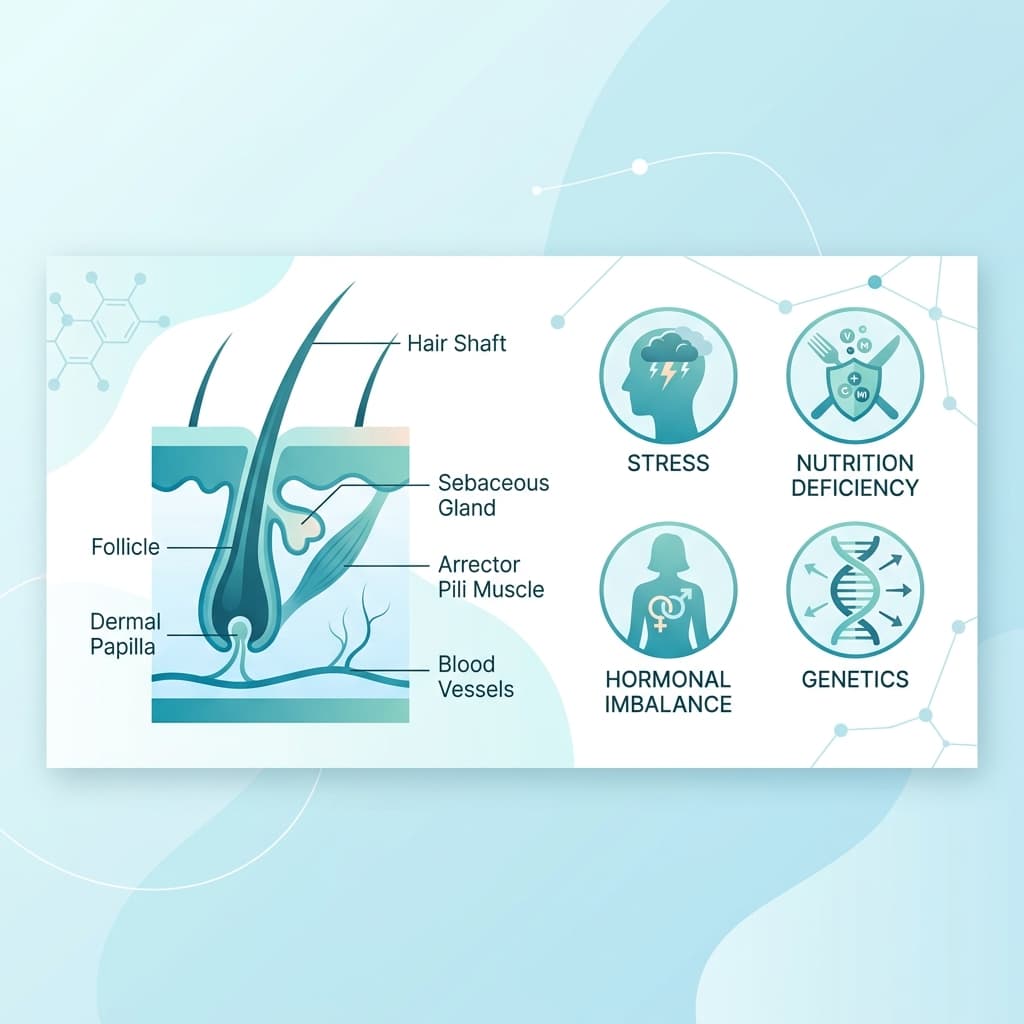
Hair Fall: 12 Hidden Causes, Scientific Treatment Options & A Daily Prevention Routine That Works
A comprehensive, dermatologist-backed guide explaining why you're losing hair—from hormonal shifts (DHT, thyroid, PCOS) and nutritional deficiencies (iron, vitamin D, biotin) to stress-induced telogen effluvium. Includes the Norwood-Hamilton & Ludwig classification, evidence-based treatments (minoxidil, PRP, finasteride), essential blood tests, and a 10-step daily hair care routine.
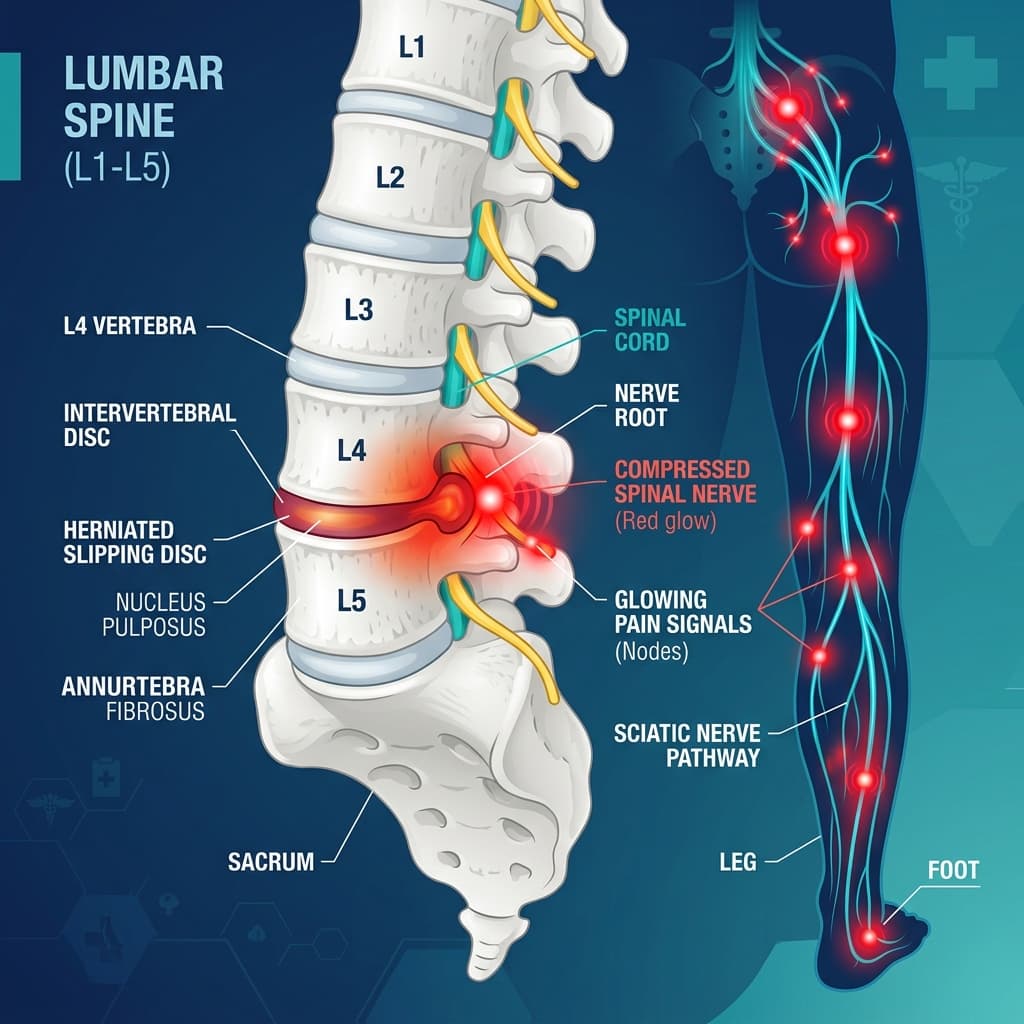
Slip Disc Symptoms Explained: Early Signs, Sciatica Nerve Mapping & Treatment Pathways
A comprehensive, research-backed clinical guide explaining slip disc (herniated disc) symptoms—from sharp radiating Sciatica pain and numbness to nerve root mapping (L4-L5, L5-S1), red flag Cauda Equina Syndrome, and non-surgical treatment options.
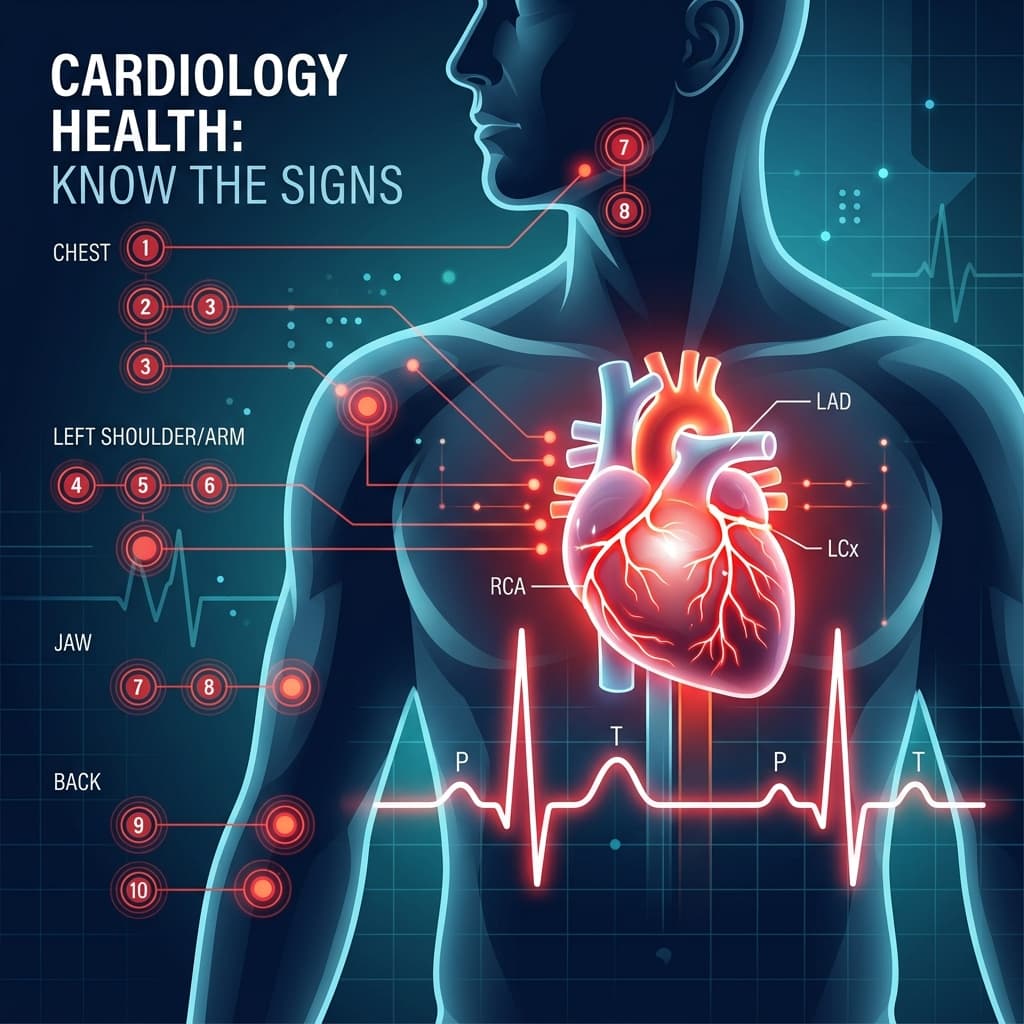
10 Warning Signs of a Heart Attack: Early Symptoms, Golden Hour & Emergency Guidance
A masterclass clinical guide to the 10 warning signs of a heart attack—from classic crushing chest pain to atypical symptoms in women & diabetics, the golden hour door-to-balloon window, diagnostic biomarkers, and emergency protocols.
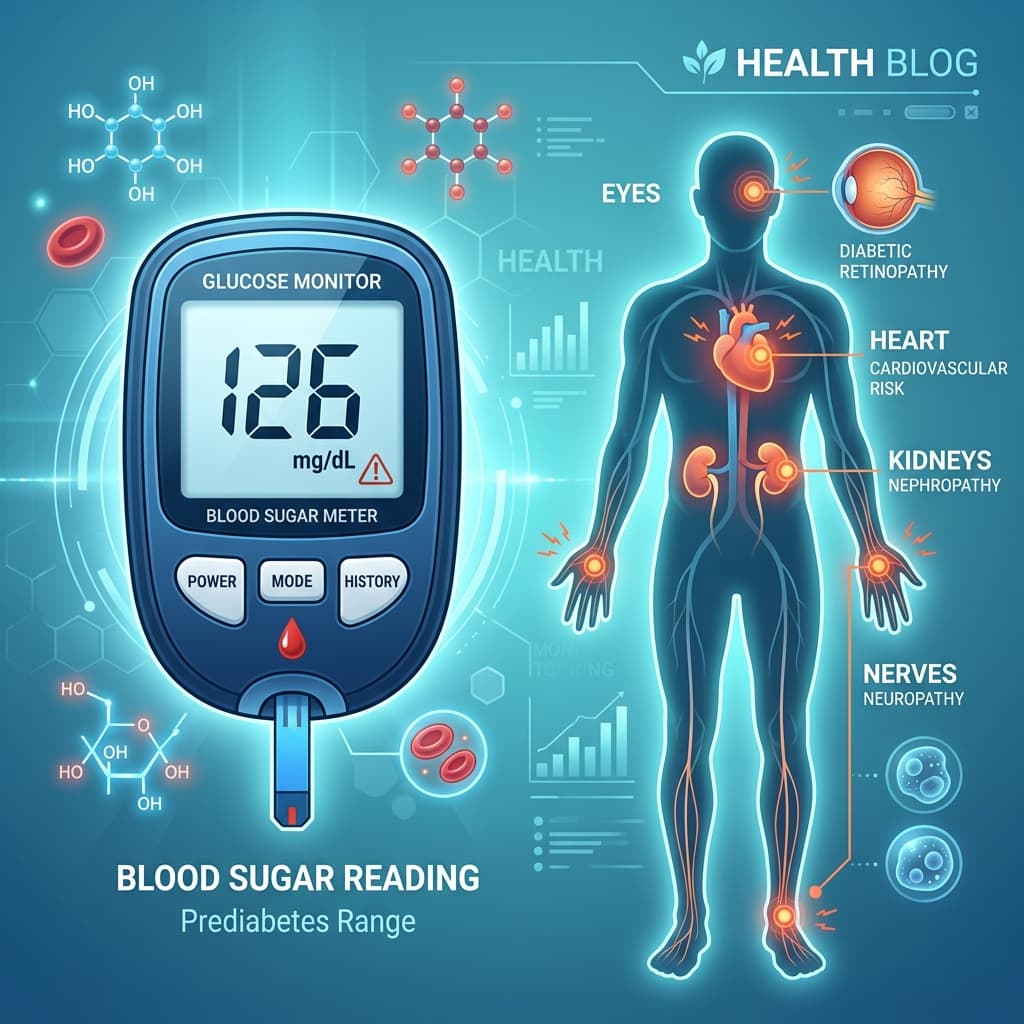
Diabetes Warning Signs: Early Symptoms, Blood Sugar Thresholds & Clinical Guidance
A comprehensive, evidence-backed clinical guide to early diabetes warning signs—from the classic 3 Ps to subtle skin patches, foot tingling, blood sugar spectrum charts, DKA red flags, and diagnostic criteria.
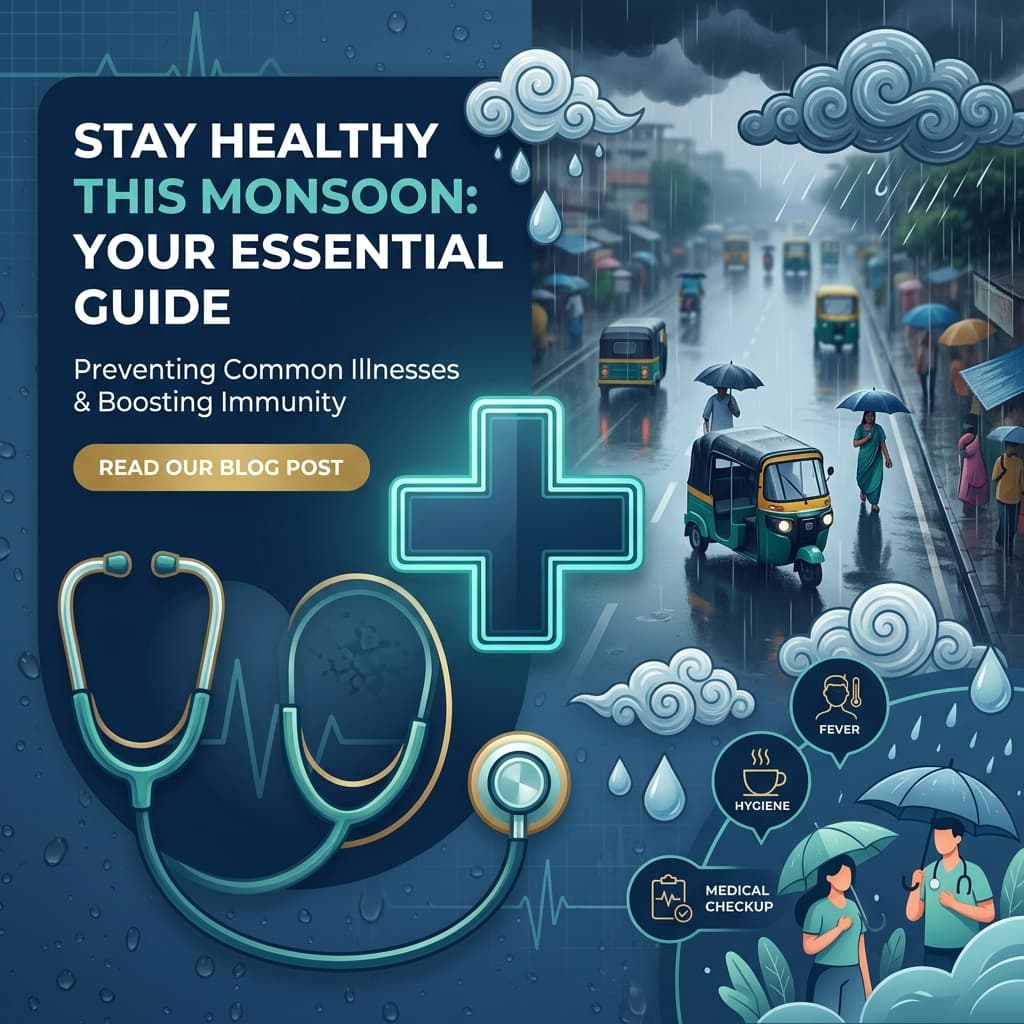
Monsoon Diseases: 7 Rainy-Season Illnesses in Virar & Mumbai — Symptoms, Prevention & When to Rush to Hospital
Every monsoon, Mumbai and Virar witness a surge in waterborne, vector-borne, and airborne infections — with BMC data showing dengue, malaria, and leptospirosis cases spiking by 3–5x between July and October. This comprehensive guide covers the 7 most dangerous monsoon diseases affecting Virar, Vasai, and the wider Mumbai Metropolitan Region: dengue fever (Aedes mosquito), malaria (Anopheles mosquito), leptospirosis (contaminated floodwater), typhoid (Salmonella bacteria in water/food), cholera, viral gastroenteritis, and fungal skin infections. For each illness, we explain the early warning symptoms to watch for, practical home prevention steps, when self-care is enough versus when you need emergency hospital treatment, and the diagnostic tests that confirm each condition. Includes a monsoon first-aid checklist, a water purification guide, and details on Sanjivani Hospital's 24/7 monsoon emergency preparedness in Virar West.
Cardiac Health: 8 Warning Signs of Heart Disease You Should Never Ignore & When to See a Cardiologist
Heart disease kills over 28 lakh Indians every year — and nearly 50% of heart attacks in India occur before the age of 50, making it uniquely aggressive in the South Asian population. Yet most patients dismiss the early warning signs — chest tightness after climbing stairs, unexplained jaw pain, breathlessness while lying flat, or irregular heartbeat episodes — as 'just stress' or 'acidity.' This cardiologist-backed guide from Sanjivani Hospital's Sai Sanjivani Cardiac Center explains the 8 cardiac warning signs that demand immediate medical evaluation, the difference between stable angina and unstable angina, key diagnostic tests (ECG, 2D Echo, TMT, coronary angiography), modifiable risk factors including hypertension, diabetes, smoking, and high cholesterol, and evidence-based prevention strategies. Includes an Indian-diet-friendly heart health plan, exercise recommendations, and details on emergency cardiac care available 24/7 at Sanjivani Hospital, Virar.

Hospital Insurance & TPA Claims: 5-Step Cashless Treatment Guide, Documents Checklist & Claim Filing Process in Virar
Over 60% of Indian families face unexpected out-of-pocket hospital expenses because they don't understand the cashless treatment process, pre-authorization timelines, or TPA (Third Party Administrator) requirements before admission. This step-by-step patient guide demystifies the entire hospital insurance journey — from verifying your policy's cashless network and understanding sub-limits on room rent, to gathering the exact documents needed for pre-authorization (health card, policy copy, Aadhaar, referral letter), navigating the TPA approval window (typically 2–4 hours for planned admissions), and filing reimbursement claims when cashless is denied. We cover all major insurers and TPAs accepted at Sanjivani Hospital including Star Health, ICICI Lombard, New India Assurance, Bajaj Allianz, Medi Assist, Vidal Health, and Ayushman Bharat PM-JAY. Includes a downloadable pre-admission checklist and contact details for Sanjivani Hospital's dedicated insurance helpdesk in Virar West.

Healthy Pregnancy: 9 Essential Prenatal Tips, Warning Signs & Complete Maternity Care Guide for Expectant Mothers
With over 2.7 crore births every year in India, pregnancy remains one of the most transformative — and medically critical — experiences in a woman's life. Yet many first-time mothers in Virar and Vasai miss essential prenatal screenings, struggle with pregnancy nutrition myths, and don't know the red-flag symptoms (severe headaches, sudden swelling, reduced fetal movement) that warrant an emergency hospital visit. This obstetrician-reviewed guide covers 9 essential prenatal care tips trimester by trimester, explains every recommended test (NT scan, anomaly scan, OGTT, GBS screening), provides a balanced Indian pregnancy diet plan (folate-rich foods, iron sources, calcium needs), addresses safe exercise during pregnancy, warns about 7 danger signs that need immediate medical attention, and walks you through preparing a birth plan. Includes details on Sanjivani Hospital's maternity services — from antenatal OPD visits and high-risk pregnancy management to normal delivery, C-section facilities, and postnatal care in Virar West.
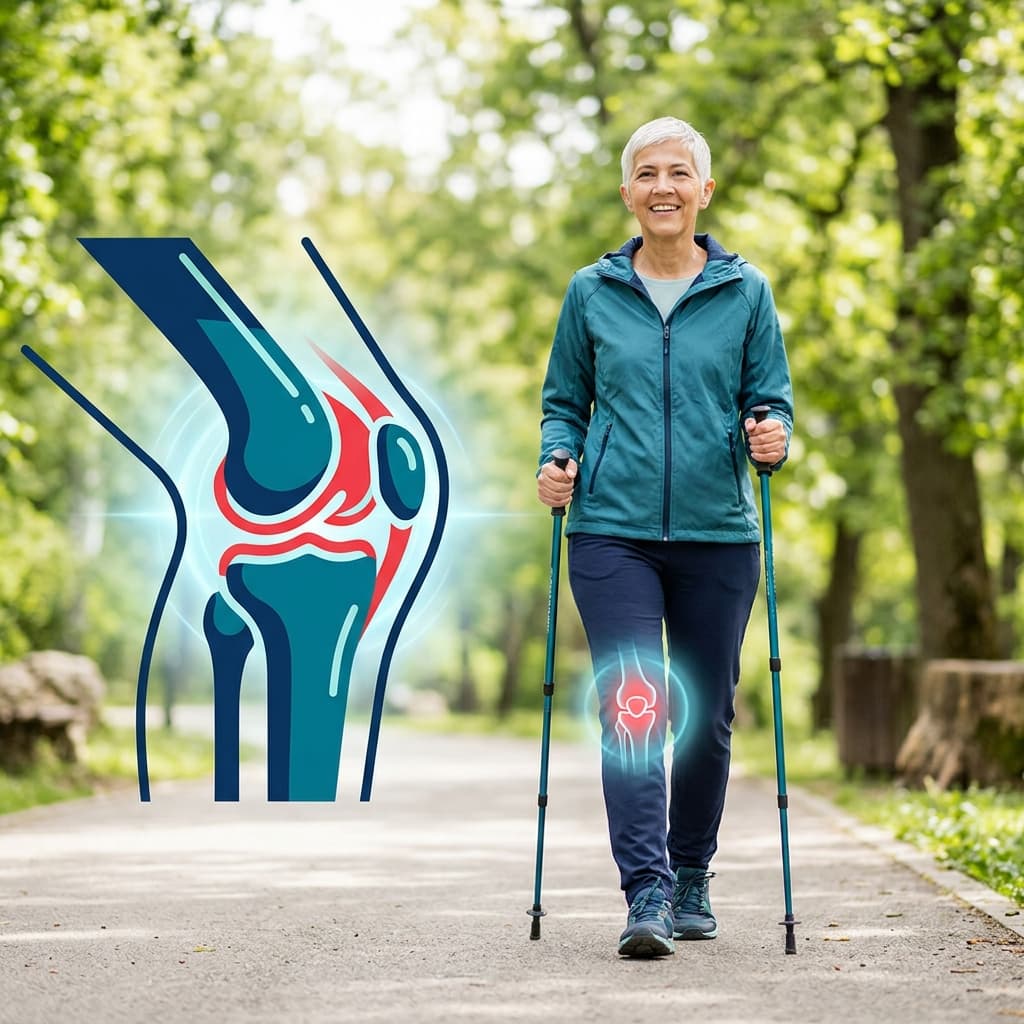
Knee & Joint Pain: 6 Causes, Non-Surgical Relief Options & When Joint Replacement Surgery Is Your Best Choice
Over 15 crore Indians suffer from osteoarthritis, and knee pain is the single most common reason for orthopaedic consultations after age 45 — yet many patients either ignore early symptoms or jump to surgery too soon. This orthopaedic surgeon-reviewed guide explains the 6 most common causes of chronic knee and joint pain (osteoarthritis, rheumatoid arthritis, meniscus tears, ligament injuries, gout, and obesity-related degeneration), walks you through proven non-surgical treatments (physiotherapy, PRP injections, hyaluronic acid viscosupplementation, weight management, knee braces), and clearly outlines when total knee replacement (TKR) becomes the best option. Includes a self-assessment checklist for knee pain severity, details on minimally invasive and computer-navigated joint replacement techniques, realistic recovery timelines, and a comparison of surgery costs. Expert guidance from the Department of Orthopaedics at Sanjivani Hospital, Virar.

Childhood Vaccination: Complete Indian Immunization Schedule, 5 Post-Vaccine Care Tips & Common Myths Busted
India's Universal Immunisation Programme (UIP) is the world's largest, protecting over 2.67 crore newborns annually against 12 vaccine-preventable diseases — yet immunisation coverage in many urban slum and semi-urban pockets of Mumbai, Virar, and Vasai still falls below the 90% herd-immunity threshold. This paediatrician-reviewed guide provides the complete NIS (National Immunization Schedule) from birth through age 16 — covering BCG, OPV, Hepatitis B, Pentavalent (DPT+HepB+Hib), Rotavirus, PCV, IPV, MR, JE, and DPT boosters — along with the IAP (Indian Academy of Pediatrics) recommended optional vaccines like Varicella, Hepatitis A, Typhoid conjugate, HPV, and Influenza. We explain what each vaccine protects against, the exact timing and dosing schedule, how to manage common post-vaccination reactions (fever, swelling, irritability), 5 proven comfort techniques for your child after vaccination, and bust 7 dangerous anti-vaccine myths with scientific evidence. Includes Sanjivani Hospital's vaccination OPD details and immunisation record card.

Living with Diabetes: 10 Daily Management Tips, Indian Diet Plan & Blood Sugar Prevention Strategies That Work
India is home to over 10.1 crore diabetes patients — the second highest in the world — and an additional 13.6 crore Indians are pre-diabetic, meaning they could develop full-blown Type 2 diabetes within 3–5 years without lifestyle changes. Yet daily diabetes management remains confusing for most patients: What HbA1c target should you aim for? How many carbohydrates per meal are safe? Is rice really forbidden? Can metformin alone control blood sugar long-term? This physician-backed guide provides 10 practical, evidence-based tips for daily diabetes management — covering blood glucose self-monitoring (fasting, post-meal, bedtime targets), a customised Indian diabetic diet plan (with roti, dal, sabzi portions), exercise recommendations (why 30 minutes of brisk walking lowers HbA1c by 0.5–0.7%), medication adherence strategies, foot care protocols to prevent diabetic neuropathy, and when to get annual complication screenings (eye fundoscopy, kidney function, cardiac risk). Expert guidance from Sanjivani Hospital, Virar.
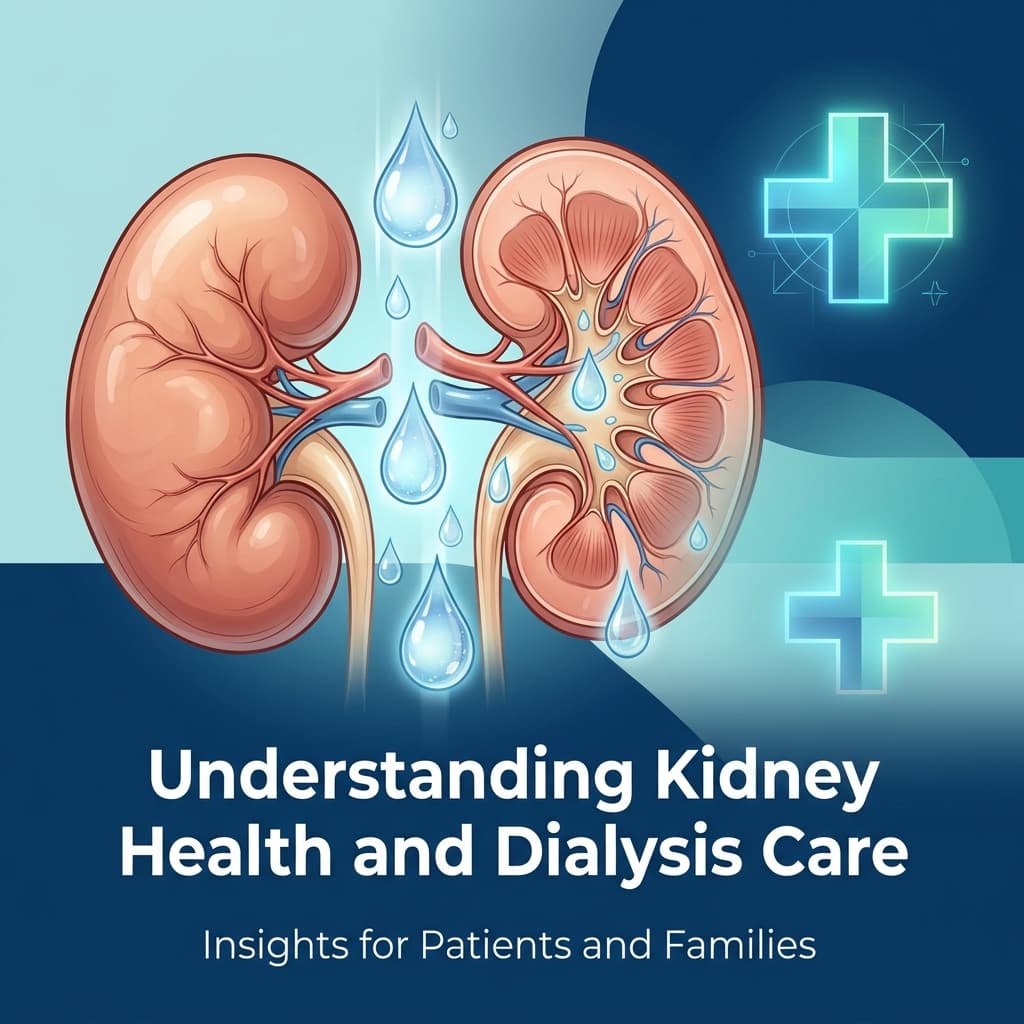
Kidney Health: 7 Early Warning Signs, CKD Stages Explained & Affordable Dialysis Support in Virar
Chronic Kidney Disease (CKD) affects over 1 in 10 Indians — yet most patients don't discover kidney damage until Stage 3 or 4, when over 60% of kidney function is already lost, because the early symptoms are so subtle they're easily mistaken for normal ageing or dehydration. This nephrologist-reviewed guide explains the 7 early warning signs of kidney disease (foamy urine, swollen ankles, unexplained fatigue, frequent urination at night, persistent itching, metallic taste, and high blood pressure), walks you through the 5 stages of CKD with eGFR and creatinine values, covers the critical link between diabetes, hypertension, and kidney failure, explains when dialysis becomes necessary (hemodialysis vs peritoneal dialysis), and outlines kidney transplant eligibility. Includes a kidney-friendly Indian diet chart (low-sodium, potassium-adjusted dals and sabzis), essential diagnostic tests (serum creatinine, BUN, urine ACR, kidney ultrasound), and details on Sanjivani Hospital's subsidised dialysis centre in Virar — one of the most affordable in the Vasai-Virar belt.
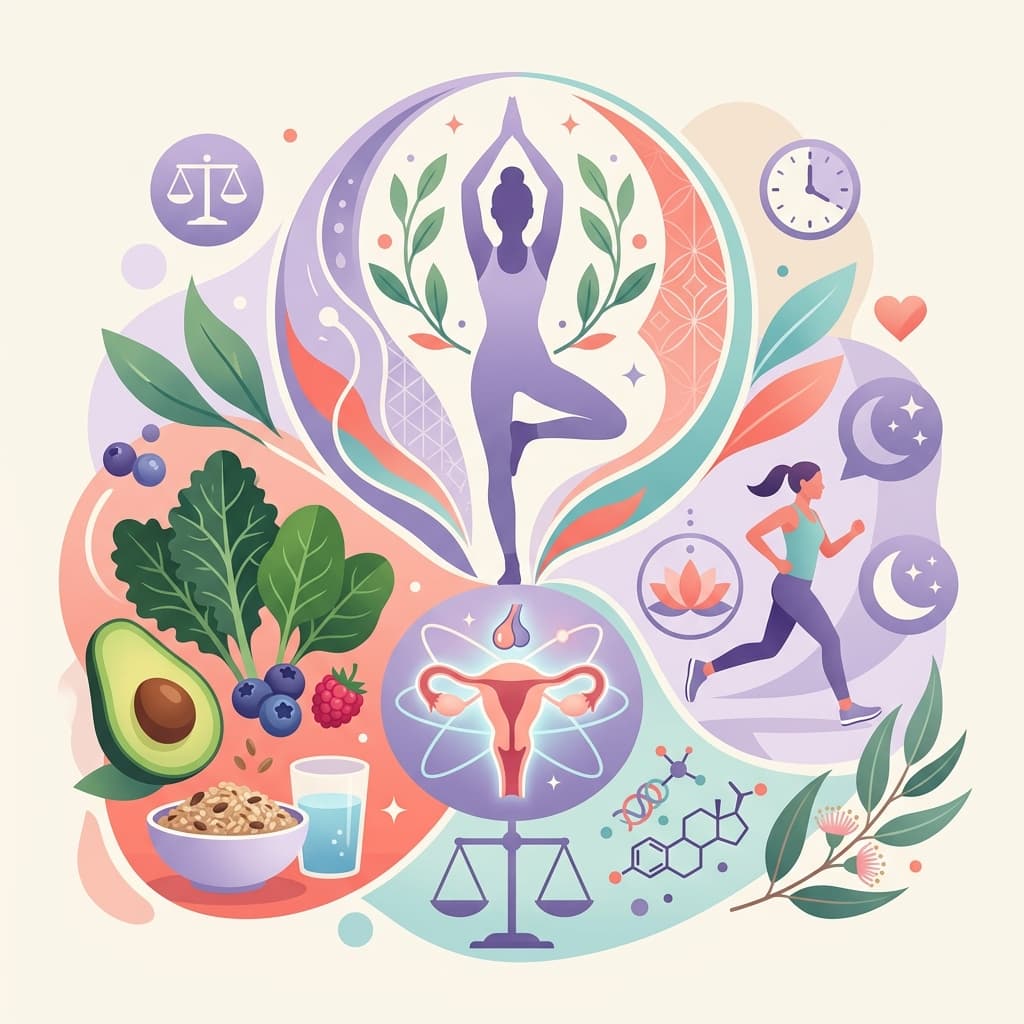
PCOS (PMOS): 9 Symptoms Every Woman Should Know, Indian Diet Chart & Complete Treatment Guide
Polycystic Ovary Syndrome (PCOS) — recently proposed to be renamed Polyendocrine Metabolic Ovarian Syndrome (PMOS) — affects an estimated 1 in 5 Indian women of reproductive age, making it the most common hormonal disorder among young females in the country. Yet up to 70% of affected women remain undiagnosed because they attribute symptoms like irregular periods, sudden weight gain, stubborn acne, or facial hair growth to 'normal stress.' This gynecologist-reviewed guide covers 9 symptoms that warrant PCOS screening, explains the hormonal cascade (elevated androgens, insulin resistance, LH:FSH imbalance), decodes the Rotterdam diagnostic criteria and the key blood tests (AMH, testosterone, DHEA-S, fasting insulin, thyroid panel), provides a PCOS-friendly Indian diet chart (low-GI roti, millets, methi, cinnamon, anti-inflammatory foods), busts common myths, and outlines treatment options from lifestyle modification and metformin to OCP therapy, ovulation induction, and laparoscopic ovarian drilling. Expert guidance from Sanjivani Hospital, Virar.
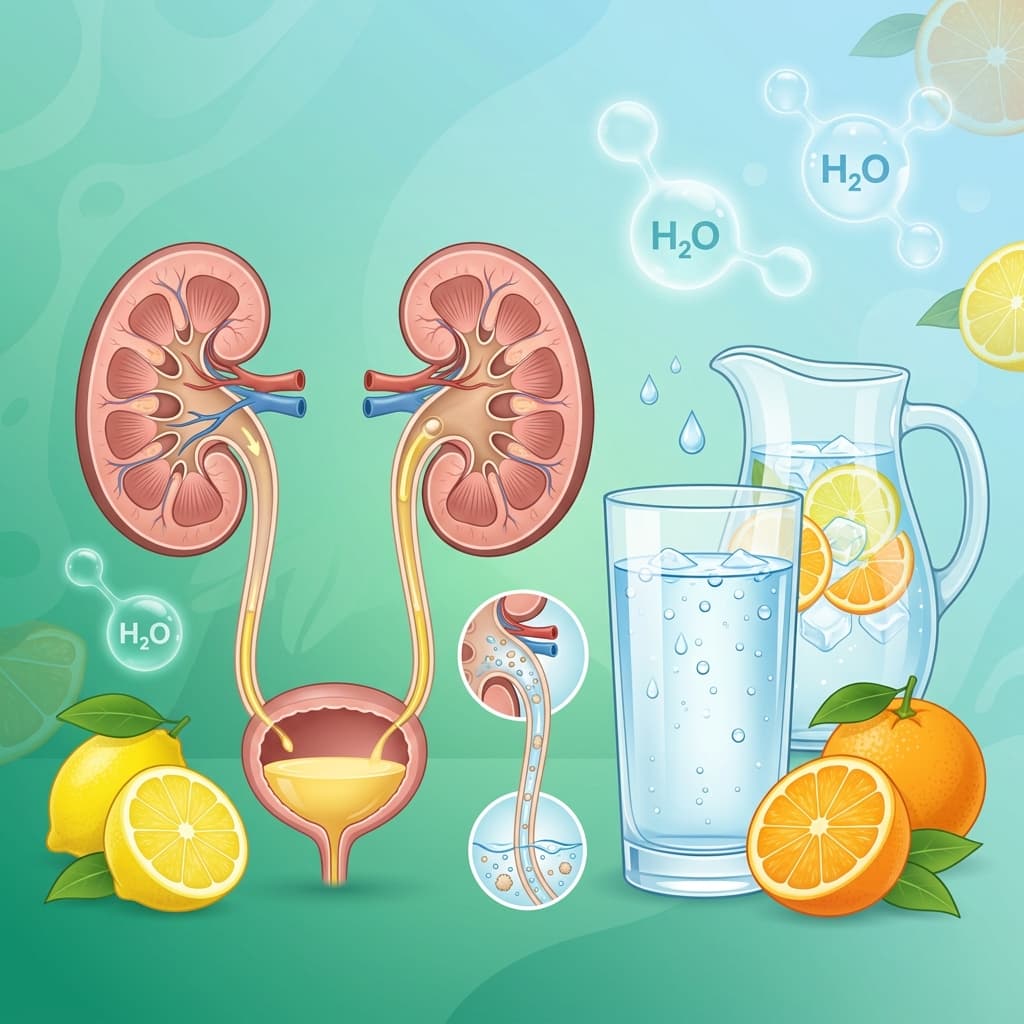
Kidney Stones: 5 Warning Symptoms, Stone Types, Indian Diet Rules & Modern Treatment Options
India lies within the global 'stone belt' — a geographic band with the highest kidney stone prevalence — with an estimated 12% of Indians developing stones at least once in their lifetime. Dehydration in India's scorching summers, high-oxalate diets (spinach, tomato, tea), and inadequate water intake are the primary culprits. This urologist-reviewed guide explains the 5 unmistakable warning symptoms of kidney stones (renal colic, blood in urine, painful urination, nausea, and referred testicular/groin pain), breaks down the 4 stone types (calcium oxalate, uric acid, struvite, cystine) and what causes each, provides a detailed Indian diet chart (foods to eat vs avoid — high-oxalate foods, purine-rich foods, ideal water intake), and outlines modern treatment options from medical expulsive therapy (MET) for small stones to ESWL (shock wave lithotripsy), ureteroscopy, RIRS, and PCNL for large/complex stones. Includes cost estimates and when surgery is truly needed. Expert guidance from Sanjivani Hospital, Virar.
Piles, Fissure & Fistula: Key Differences, 8 Symptoms, Home Remedies & Modern Laser Treatment Options
Over 40% of Indians will experience hemorrhoids (piles) at some point, yet most people use the word 'piles' as a catch-all for any rectal discomfort — confusing three fundamentally different conditions that require entirely different treatments. Hemorrhoids are swollen blood vessels inside or outside the anal canal; an anal fissure is a tear in the anal lining (often caused by hard stools); and a fistula is an abnormal tunnel between the anal canal and the skin surface (usually from a drained abscess). Misdiagnosis leads to months of wrong treatment and unnecessary suffering. This surgeon-reviewed guide explains the 8 key symptoms that distinguish piles from fissures from fistulas, covers grading systems (Grade I–IV hemorrhoids), provides evidence-based home remedies (sitz baths, fibre supplements, Indian dietary adjustments with isabgol, papaya, and warm water), explains when surgery is needed, and compares modern minimally invasive options — laser hemorrhoidoplasty, stapled hemorrhoidopexy, VAAFT for fistulas, and lateral internal sphincterotomy for fissures. Expert guidance from Sanjivani Hospital, Virar.

7,000 Steps a Day: What the Latest Research Says About Walking, Heart Health & Diabetes Prevention
For decades, the '10,000 steps' target has been gospel — but a landmark 2023 meta-analysis in the European Journal of Preventive Cardiology (47 studies, 226,000+ participants) revealed that meaningful mortality benefits begin at just 3,967 steps/day, with maximum cardiovascular protection reached around 7,000–8,000 steps. This changes everything for busy professionals, elderly patients, and anyone who has abandoned walking because '10,000 felt impossible.' This evidence-based guide dissects the real science behind daily step counts — covering heart disease risk reduction (50–65% lower for 7,000+ steppers), Type 2 diabetes prevention (30 minutes of brisk walking lowers HbA1c by 0.5–0.7%), the critical importance of breaking prolonged sitting every 30 minutes, and how even small daily increases of 500 steps deliver measurable health gains. Includes a 4-week progressive walking plan for beginners, tips for walking in Mumbai's heat and monsoon, and when walking isn't enough. Expert guidance from Sanjivani Hospital, Virar.
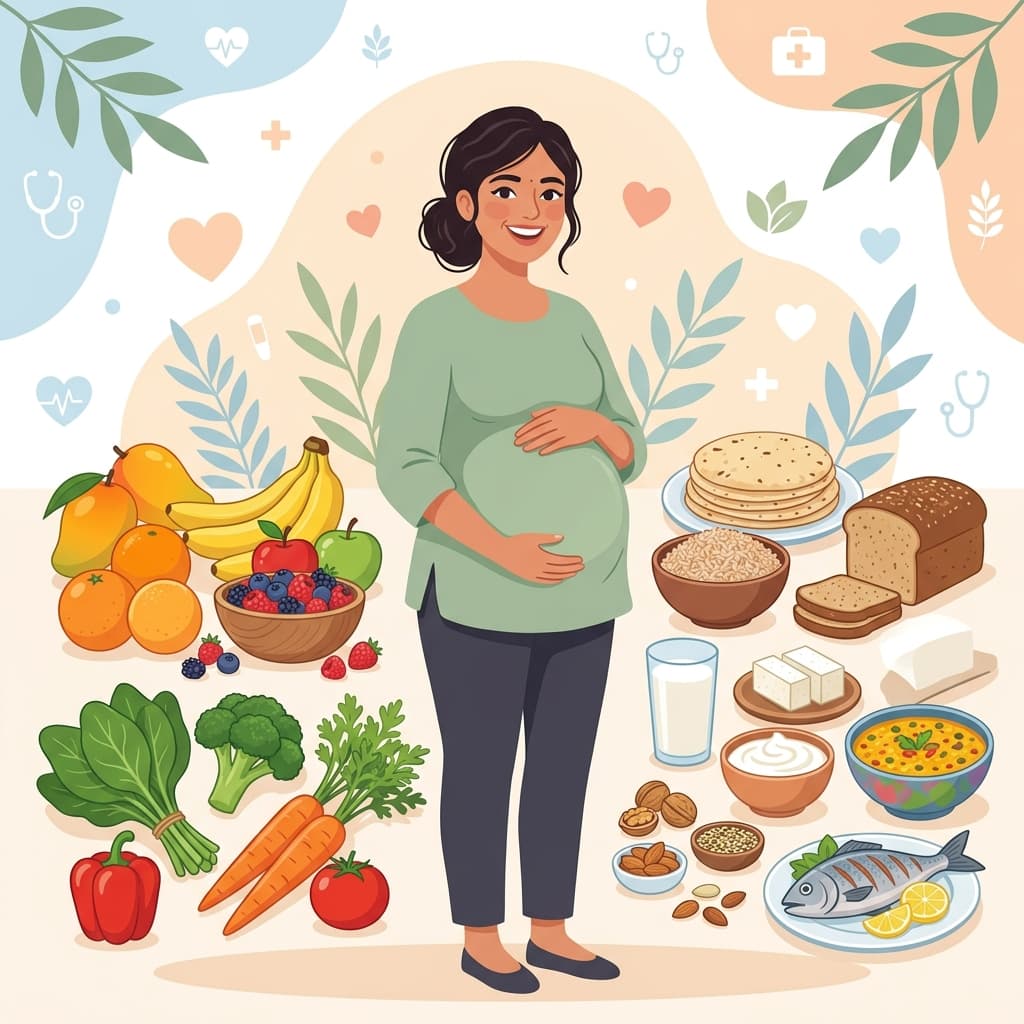
What to Eat During Pregnancy: A Complete Trimester-by-Trimester Nutrition Guide
A comprehensive, research-backed guide to pregnancy nutrition covering trimester-wise calorie needs, essential nutrients like folate, iron, and calcium, safe Indian food sources, foods to avoid, and healthy weight gain — with citations from WHO, ICMR-NIN, and ACOG guidelines.
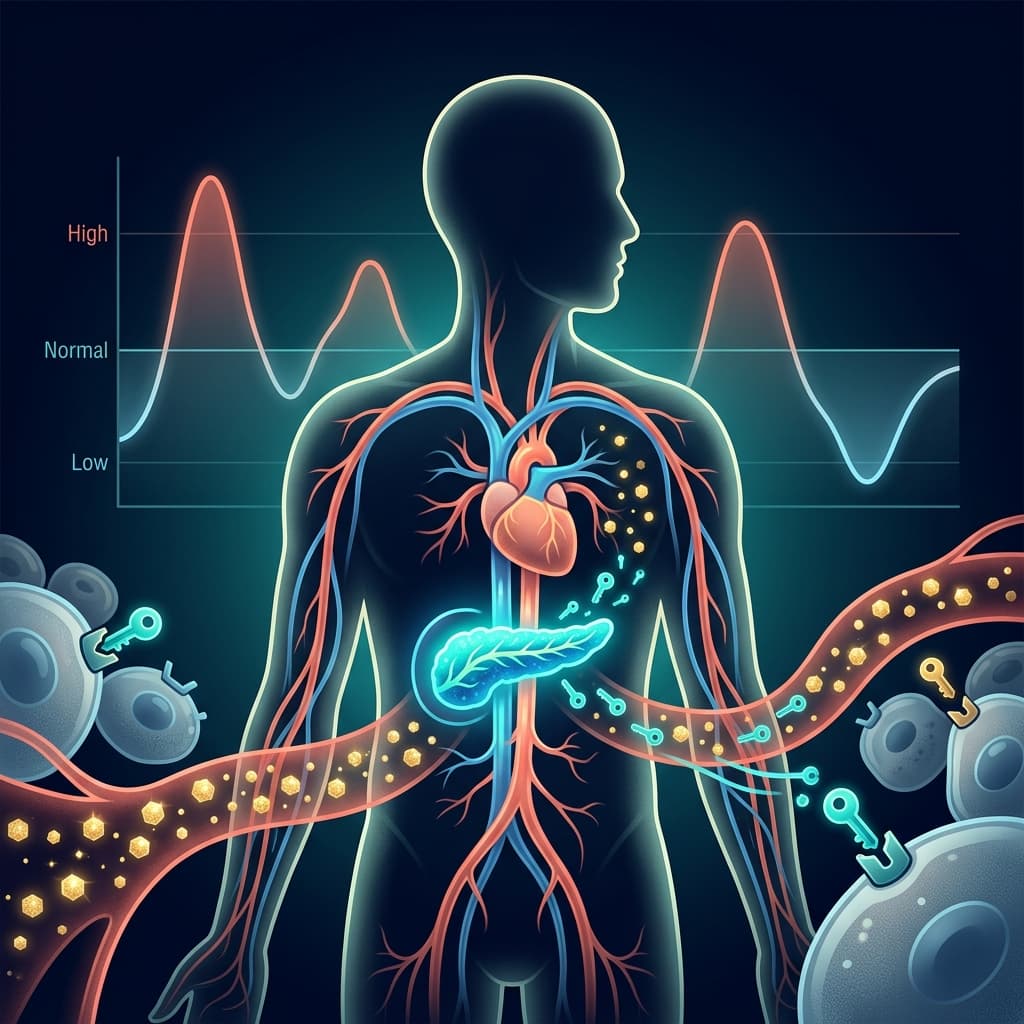
Insulin Explained: What It Does, How Resistance Develops & A Complete Guide to Reversing Insulin Spikes
A comprehensive medical guide explaining what insulin is, how it regulates blood sugar at the cellular level, why insulin resistance develops, how to lower dangerous insulin spikes, and evidence-based strategies to restore insulin sensitivity — with diagrams, tables, and practical meal plans.
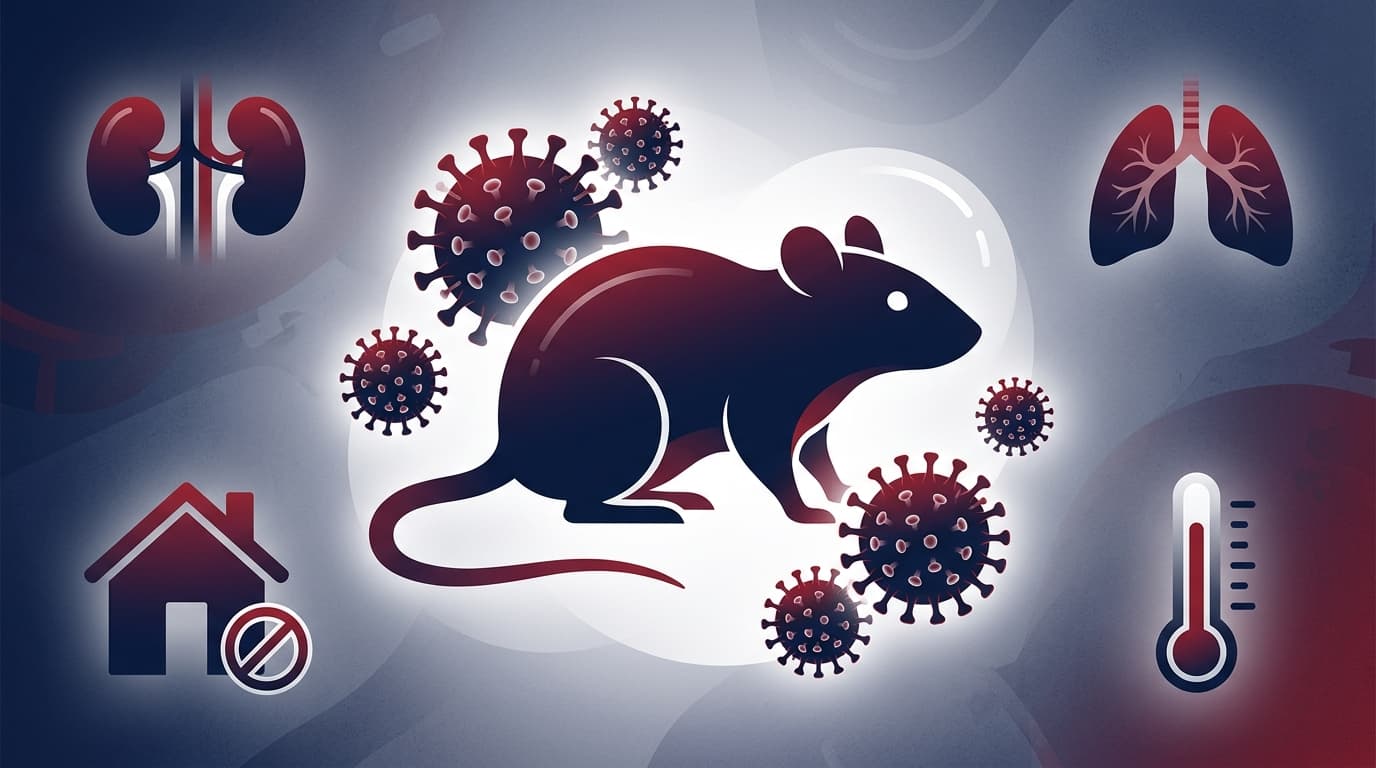
Hantavirus: Symptoms, How It Spreads, Treatment & Prevention — A Complete Medical Guide
A comprehensive, clinician-reviewed guide to Hantavirus — understanding what it is, how rodents transmit it to humans, the two deadly syndromes it causes (HPS & HFRS), early warning symptoms, diagnostic tests, supportive ICU treatment, and practical rodent-proofing prevention strategies for Indian households.
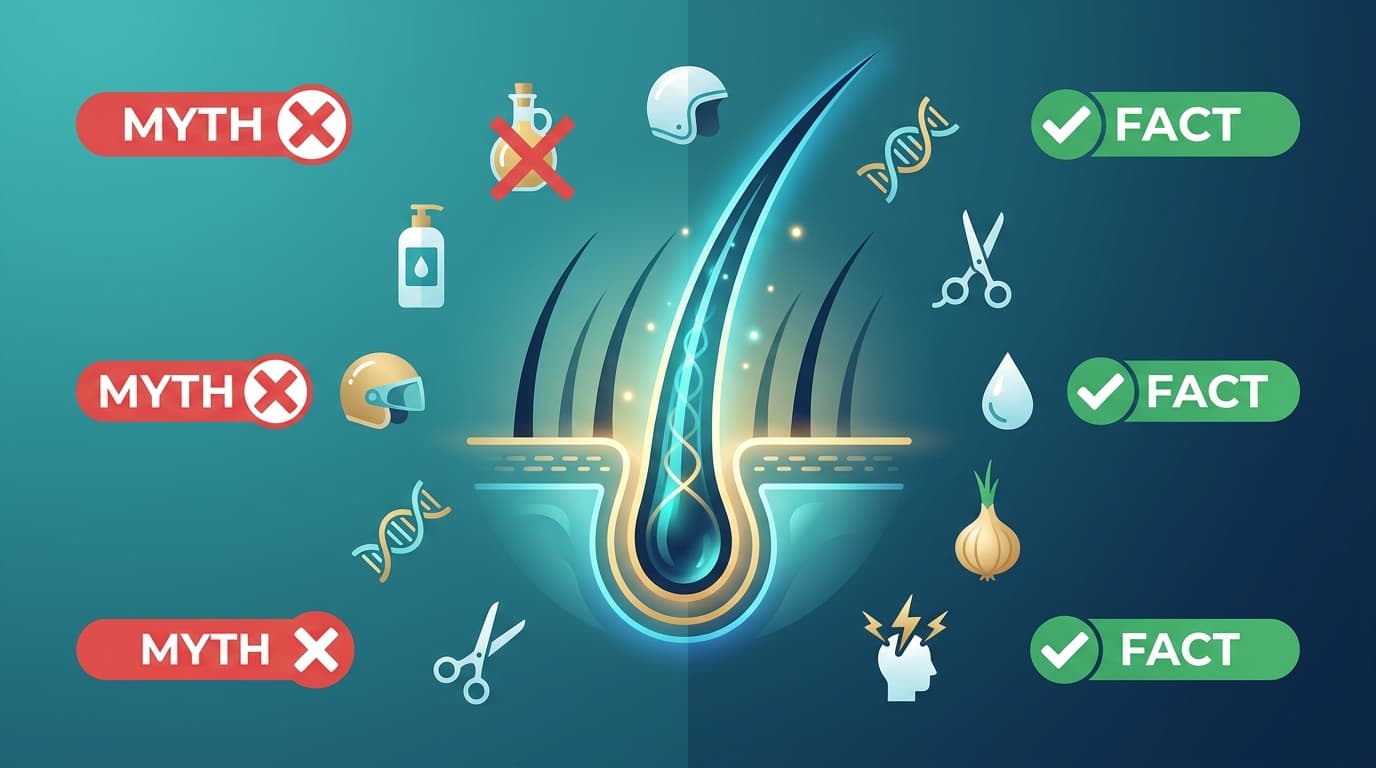
15 Hair Fall Myths Busted: A Dermatologist Separates Fact from Fiction So You Can Stop Wasting Time & Money
From 'oiling every day prevents baldness' to 'hair fall is always genetic' — the internet is flooded with hair loss myths that delay real treatment. This in-depth, dermatologist-verified guide dismantles 15 of the most persistent hair fall myths circulating in India, explains the science behind each one, and tells you exactly what actually works — so you stop wasting money on snake-oil remedies and start taking evidence-based action.

Piles (Hemorrhoids): Causes, Symptoms, Home Remedies & Complete Treatment Guide
A comprehensive, surgeon-backed guide explaining everything about piles (hemorrhoids) — from why they develop and how to recognise the different grades, to proven home remedies, over-the-counter treatments, minimally invasive procedures, and lifestyle changes that prevent recurrence. Includes dietary fibre charts, sitz bath instructions, and frequently asked questions.

Thyroid Disorders: 11 Silent Symptoms, TSH Test Guide & Treatment Plan for Hypo/Hyperthyroidism
Over 42 million Indians live with thyroid disorders—yet nearly 60% remain undiagnosed because the symptoms silently mimic everyday fatigue, weight changes, and mood swings. This comprehensive, endocrinologist-backed guide decodes the 11 most commonly missed symptoms of both hypothyroidism (underactive thyroid) and hyperthyroidism (overactive thyroid), explains the complete thyroid blood test panel (TSH, Free T3, Free T4, Anti-TPO antibodies), walks you through Hashimoto's thyroiditis and Graves' disease, and provides evidence-based treatment protocols including levothyroxine dosing, anti-thyroid medications, radioactive iodine therapy, and thyroid surgery. Includes an Indian-diet-friendly food chart, pregnancy thyroid management, myths debunked, and when to seek urgent care. Expert guidance from Sanjivani Hospital, Virar.
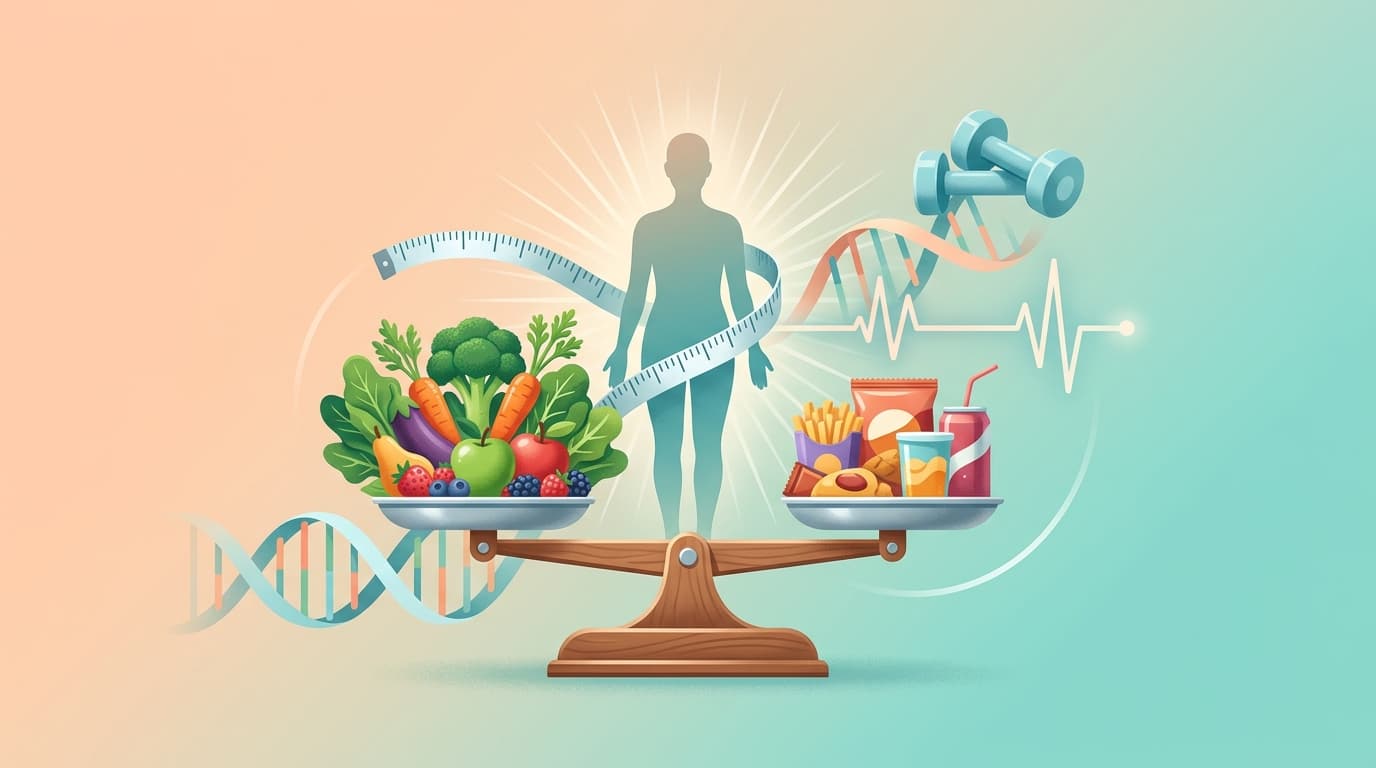
Obesity in India: 10 Hidden Causes, The 'Thin-Fat' Trap, Indian Diet Plan & Treatment Options That Actually Work
One in four Indian adults is now overweight or obese — yet India's obesity crisis is uniquely dangerous because of the 'thin-fat' phenotype, where 32% of adults carry dangerously high visceral fat despite a 'normal' BMI. The ICMR-INDIAB study reveals that 43% of Indians are metabolically obese at normal weight, putting them at severe risk for Type 2 diabetes, heart disease, fatty liver, and certain cancers without even knowing it. This comprehensive, physician-backed guide decodes the 10 hidden causes of weight gain (beyond 'eating too much'), explains why international BMI charts dangerously underdiagnose Indian obesity, provides a practical Indian-food-based diet plan with katori measurements, walks you through every medical and surgical treatment option — from GLP-1 receptor agonists to sleeve gastrectomy — and gives you 10 science-backed prevention habits you can start today. Includes a myths-vs-facts table, bariatric surgery eligibility criteria for Indians, and FAQs with cost guidance. Expert guidance from Sanjivani Hospital, Virar.

Dengue Fever: 9 Warning Signs, Platelet Myths Busted & Complete Treatment Guide
India reports over 100,000 dengue cases every monsoon season — and 2026 is proving no different, with nearly 24,000 cases and 31 deaths recorded by mid-year alone. Yet most families still panic over a single low platelet count, rush to buy papaya leaf juice, and miss the actual red-flag symptoms that signal life-threatening dengue hemorrhagic fever or dengue shock syndrome. This comprehensive, physician-backed guide decodes the 9 critical warning signs that demand immediate hospital care, explains the 4 serotypes of the dengue virus (DENV-1 through DENV-4) and why a second infection can be more dangerous, busts the 7 most persistent platelet myths, provides an evidence-based home care protocol with Indian dietary recommendations (coconut water, ORS, khichdi, pomegranate), walks you through the NS1 antigen and IgM/IgG antibody tests that confirm diagnosis, and outlines when IV fluids, platelet transfusions, and ICU care are truly necessary. Includes a day-by-day recovery timeline, prevention checklist for your home, and expert guidance from Sanjivani Hospital, Virar.

Endometriosis and Infertility: Can It Prevent Motherhood? Impact on IVF & Proven Pathways to Pregnancy
Endometriosis affects an estimated 1 in 10 women of reproductive age worldwide — representing over 25 million women in India alone — yet it remains one of the most misunderstood, underdiagnosed, and emotionally agonizing barriers to motherhood. Many women endure years of debilitating menstrual cramps and chronic pelvic pain, only to be told their agony is 'normal,' until they face unexpected struggles while trying to conceive. Between 30% and 50% of women diagnosed with endometriosis experience fertility challenges, prompting alarming questions: Can I ever become a biological mother? Does endometriosis permanently ruin my egg reserve? And if I turn to In Vitro Fertilisation (IVF), will the disease sabotage my cycle and implantation? This definitive clinical guide from Sanjivani Hospital's Department of Obstetrics, Gynaecology & Reproductive Medicine unpacks the complex biological relationship between endometriosis, natural conception, and assisted reproductive technologies. We explore how distorted pelvic anatomy, inflammatory cytokines, ovarian chocolate cysts (endometriomas), and compromised endometrial receptivity hinder pregnancy. Crucially, we detail actionable medical therapies, fertility-sparing laparoscopic surgery, tailored ultra-long IVF protocols, and evidence-based lifestyle changes that empower women with endometriosis to achieve successful, healthy pregnancies.

Anxiety & Depression: 10 Warning Signs You Should Never Ignore, Proven Treatments & A Self-Care Guide That Actually Works
Over 200 million Indians live with a diagnosable mental health condition — yet a staggering 80–86% never receive any professional help. Anxiety disorders in India have surged by 123.5% since 1990, and 56 million Indians are currently living with depression, with 60% of all mental health disorders now appearing in individuals below 35 years of age. This comprehensive guide breaks down the 10 most critical warning signs of anxiety and depression that you, your family, or your friends might be overlooking right now. From persistent sadness and unexplained fatigue to panic attacks and social withdrawal, we cover every symptom in clinical detail — along with the neuroscience behind why these conditions develop, evidence-backed self-care strategies rooted in Indian lifestyle, Cognitive Behavioural Therapy (CBT), medication options including SSRIs and SNRIs, dietary recommendations with Indian food examples, and a clear roadmap for when and how to seek professional help. Published ahead of World Mental Health Day 2026 (October 10), this guide from Sanjivani Hospital's Psychiatry Department is your complete resource for understanding, managing, and overcoming anxiety and depression.
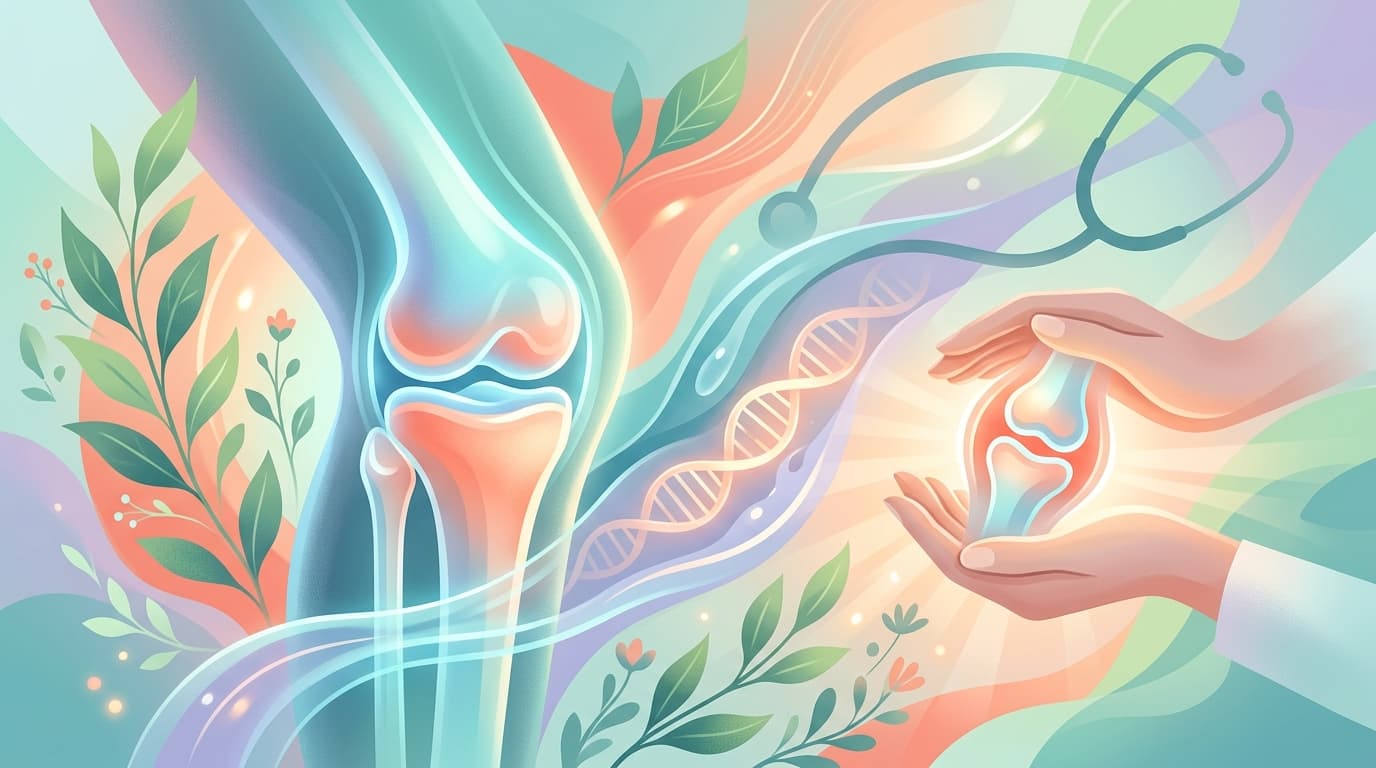
Arthritis: 9 Warning Signs, Types, Causes & A Treatment Guide That Actually Works
Over 195 million Indians — one in every six people — suffer from arthritis-related joint pain, making it the most commonly self-reported illness in the country, surpassing even diabetes and hypertension. An alarming 54 million Indians live with osteoarthritis, while 4.2 million battle rheumatoid arthritis, with over 1.17 million young women of reproductive age affected — a prevalence rate higher than global averages. Yet most patients wait years before seeking proper treatment, allowing irreversible joint damage to set in. Published for World Arthritis Day 2026 (October 12), this comprehensive guide from Sanjivani Hospital's Orthopaedics & Joint Replacement Department breaks down everything you need to know: the different types of arthritis, their root causes, the 9 warning signs you should never ignore, evidence-based home remedies rooted in Indian kitchen staples like turmeric, ginger, and methi, when to see a doctor, the latest medical and surgical treatments including PRP therapy, stem cell injections, and robotic-assisted joint replacement, dietary dos and don'ts with Indian food examples, and a complete prevention plan to protect your joints for life.

Breast Cancer: 9 Early Warning Signs, Self-Examination, Screening & A Complete Treatment Guide
Breast cancer is the most common cancer among Indian women, with over 230,000 new cases diagnosed every year — yet 1 in 2 cases is still detected at an advanced stage. October is Breast Cancer Awareness Month, making this the perfect time to understand the 9 early warning signs every woman should know, learn the correct 5-step breast self-examination (BSE) technique, decode mammography and ultrasound screening guidelines as per ICMR, and explore every treatment option from lumpectomy and mastectomy to chemotherapy, hormone therapy, targeted HER2 treatments, and immunotherapy. This comprehensive, medically verified guide covers the types of breast cancer (DCIS, IDC, ILC, Triple-Negative, HER2-Positive), staging from 0 to IV, risk factors including BRCA1/BRCA2 gene mutations, Indian-specific dietary advice for prevention, myths busted with evidence-based facts, and survival rates that prove early detection saves lives — with Stage I survival exceeding 95%. Whether you're 25 or 65, this guide empowers you with the knowledge to protect yourself and your loved ones.
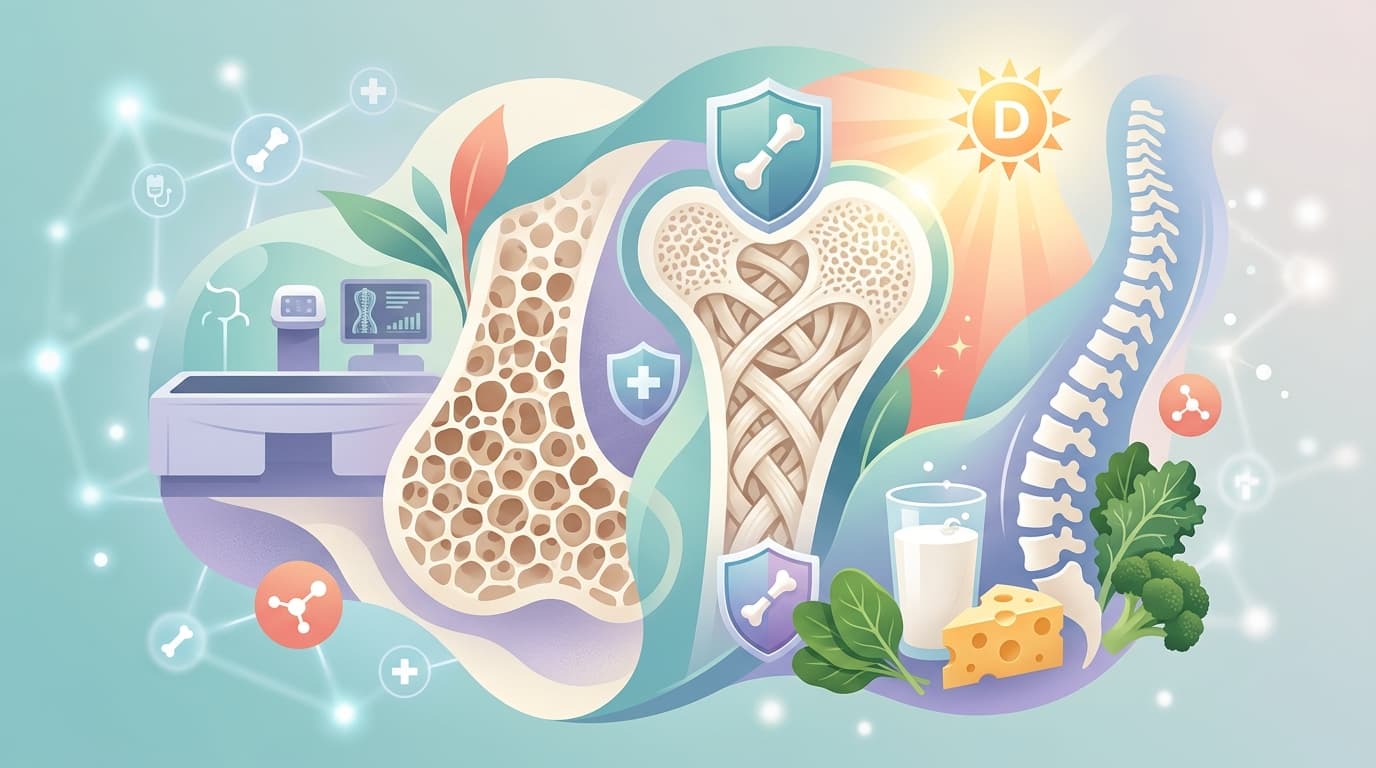
Osteoporosis: 9 Silent Warning Signs, Bone Density Tests, Indian Diet for Strong Bones & Complete Treatment Guide
On World Osteoporosis Day, an urgent reality check: nearly 60 million Indians suffer from osteoporosis, and 1 in 3 postmenopausal women will experience a fragility fracture in her lifetime. Called the 'silent thief' because it steals bone density without any symptoms until a sudden fracture occurs, osteoporosis strikes Indian women 10–20 years earlier than their Western counterparts — largely due to widespread vitamin D deficiency, low dietary calcium intake, and early menopause. This comprehensive, orthopaedic-specialist-backed guide explains what osteoporosis really is, how DEXA scans work and when you need one, the 9 subtle warning signs most people miss, calcium-rich Indian foods (ragi, til, paneer, moringa) that genuinely build bone, evidence-based medical treatments from bisphosphonates to teriparatide, fall-prevention strategies, and lifestyle changes that can halt or even reverse bone loss at any age. Whether you are 30 and want to build peak bone mass or 60 and managing osteopenia — this guide is your complete bone health roadmap.
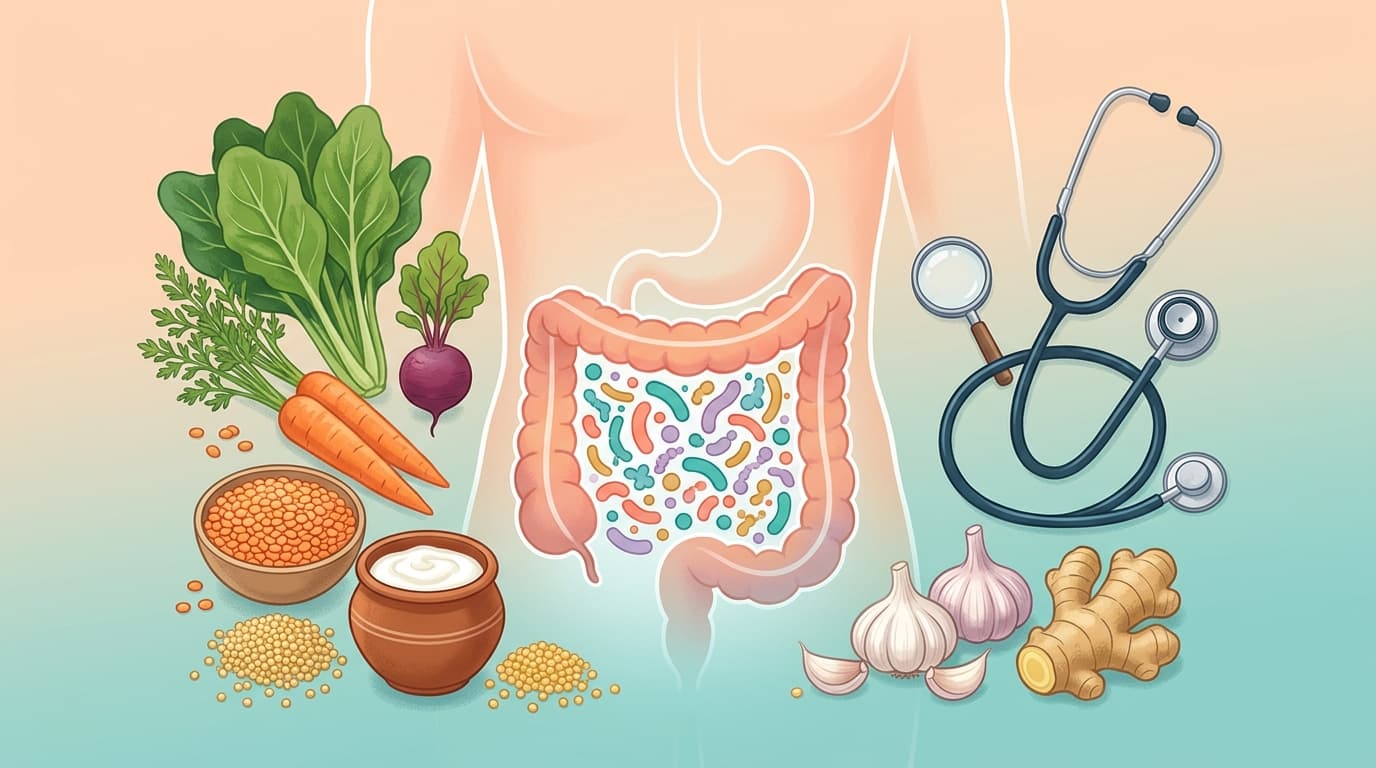
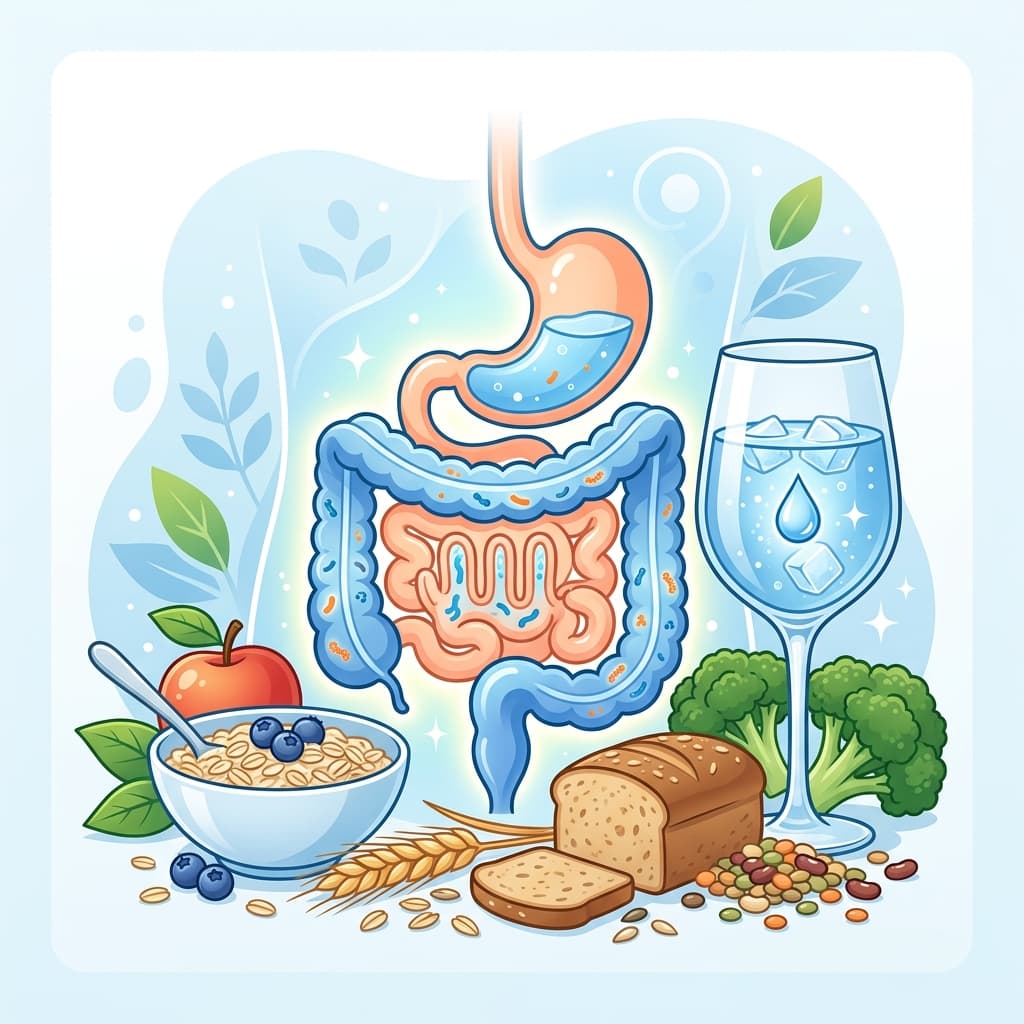
Gut Health & Microbiome: 9 Warning Signs of Poor Gut Health, Indian Superfoods, Fiber Guide & Complete Recovery Plan
Your gut is home to over 100 trillion microorganisms — collectively called the gut microbiome — and emerging research confirms it controls far more than just digestion. From regulating your immune system (70% of which resides in the gut) and influencing your mood via the gut-brain axis, to determining your risk of diabetes, obesity, and even skin conditions like acne and eczema, the health of your intestinal ecosystem is foundational to your overall well-being. In India, where digestive disorders affect an estimated 22–30% of the urban population and IBS prevalence ranges from 4–7%, understanding gut health has never been more critical. This comprehensive, doctor-backed guide explains exactly what the gut microbiome is, the 9 clearest warning signs of an unhealthy gut, the science behind prebiotics, probiotics, and synbiotics, a complete Indian food guide for gut restoration, evidence-based home remedies, when to see a gastroenterologist, medical treatments including breath tests and microbiome analysis, and a practical daily plan to rebuild your gut health using affordable, everyday Indian kitchen ingredients.
Have a Health Concern?
Our doctors are available for consultations across all major specialities. Visit Sanjivani Hospital in Virar West or call our front desk.