Every morning, millions of Indians wake up to the same cruel reality: stiff, aching joints that make getting out of bed feel like climbing a mountain. Knees that creak with every step. Fingers that refuse to grip a chai cup. Hips that throb through the night. According to the latest WHO-COPCORD (Community Oriented Program for Control of Rheumatic Diseases) study, over 195 million Indians — roughly one in every six people — live with some form of arthritis-related joint pain. That's more people than the entire population of Pakistan.
What makes this epidemic even more alarming is the silence around it. Unlike heart disease or diabetes, which receive massive public health attention, arthritis is often dismissed as a "normal part of ageing" or "just some joint pain." This dangerous misconception leads to years of delayed diagnosis, during which irreversible cartilage damage, bone erosion, and permanent joint deformity can occur. The truth? Arthritis is not a single disease — it encompasses over 100 different conditions, many of which affect young adults and even children.
Published on World Arthritis Day 2026 (October 12), this guide from Sanjivani Hospital's Orthopaedics & Joint Replacement Department is designed to be the most comprehensive arthritis resource you'll ever need. Whether you're experiencing your first bout of joint pain, caring for an elderly parent with knee arthritis, or a young woman recently diagnosed with rheumatoid arthritis, this guide will walk you through every aspect of the condition — from understanding what's happening inside your joints, to evidence-based treatments, Indian home remedies, dietary strategies, and a clear roadmap for when and how to seek expert medical care.
What Is Arthritis? Understanding Joint Disease Beyond the Myths
The word arthritis comes from the Greek words arthron (joint) and itis (inflammation) — literally meaning "inflammation of the joints." But this simple definition barely scratches the surface. Arthritis is a broad umbrella term for a group of over 100 conditions that affect the joints, the tissues surrounding joints, and other connective tissues. The common thread? Pain, swelling, stiffness, and reduced range of motion in one or more joints.
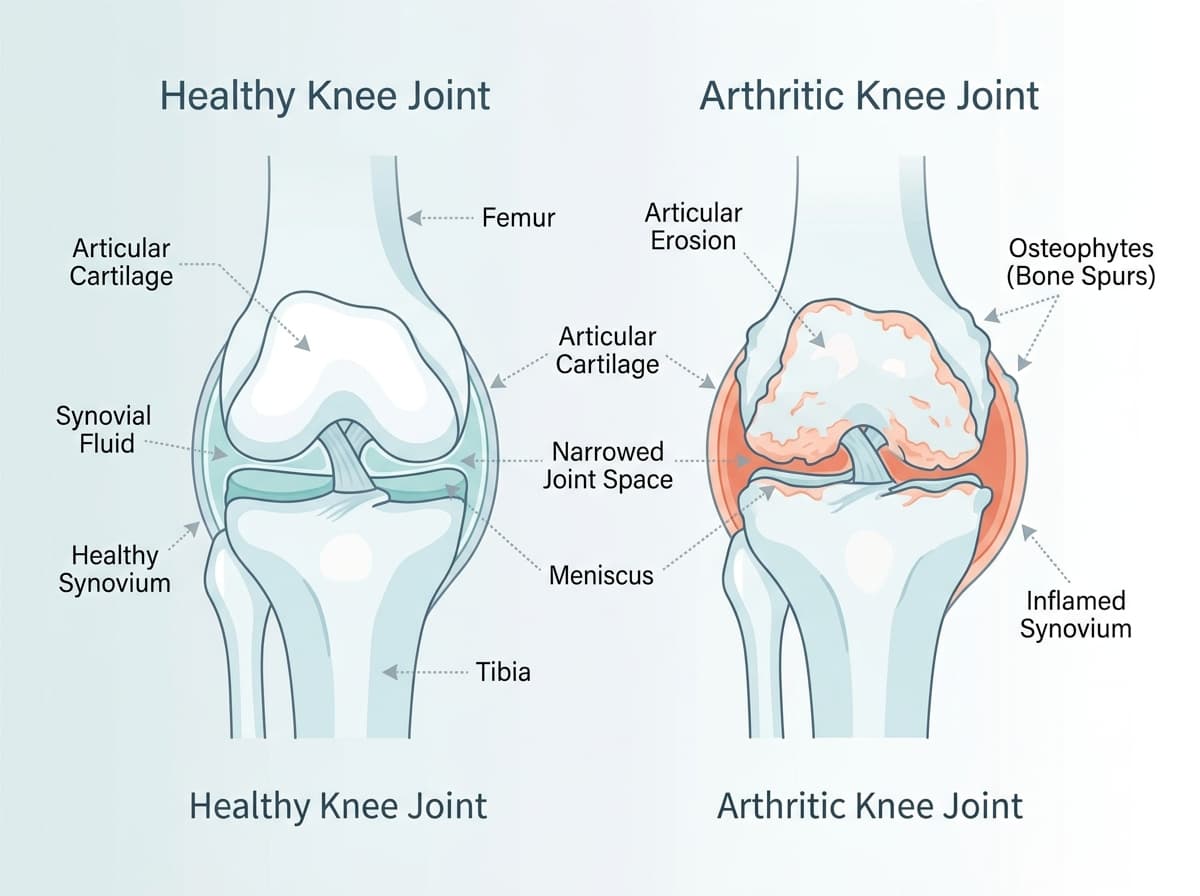
To understand arthritis, you need to understand how a healthy joint works. A joint is where two bones meet — like the knee, hip, shoulder, or the small joints of your fingers. The ends of these bones are covered with a smooth, slippery tissue called articular cartilage, which acts as a cushion and allows the bones to glide over each other without friction. The entire joint is enclosed in a joint capsule lined with a thin membrane called the synovium, which produces synovial fluid — a natural lubricant that nourishes the cartilage and keeps everything moving smoothly.
In arthritis, this elegant system breaks down. Depending on the type of arthritis, the cartilage may wear away (osteoarthritis), the immune system may attack the synovium (rheumatoid arthritis), uric acid crystals may deposit in the joint (gout), or the spine's vertebral joints may fuse (ankylosing spondylitis). The result in all cases is the same: pain, inflammation, stiffness, and progressive loss of joint function.
Important Distinction: Arthritis is NOT just an "old person's disease." While osteoarthritis is more common after age 50, rheumatoid arthritis frequently strikes between ages 30–50 (especially women), gout affects men as young as 25–30, and juvenile idiopathic arthritis affects children under 16. If you're experiencing persistent joint pain at any age, it warrants medical evaluation.
Types of Arthritis: A Comprehensive Classification
Major types of arthritis and their key features
Scroll table →| Type | What Happens | Who It Affects Most | Key Feature | Prevalence in India |
|---|---|---|---|---|
| Osteoarthritis (OA) | Cartilage wears away gradually, causing bone-on-bone friction | Adults 50+, obese individuals, post-injury patients | Worsens with activity, improves with rest | ~54.4 million Indians |
| Rheumatoid Arthritis (RA) | Immune system attacks the synovium lining of joints | Women 30–50 (3x more than men) | Symmetrical joint pain (both hands, both knees) | ~4.2 million Indians |
| Gout | Uric acid crystals deposit in joints, causing sudden intense inflammation | Men 30–60, postmenopausal women | Sudden, severe attack — often the big toe | ~15 million Indians |
| Ankylosing Spondylitis (AS) | Chronic inflammation of spinal joints, leading to vertebral fusion | Young men aged 20–40 | Chronic low back pain, morning stiffness >30 min | ~1.5–2 million Indians |
| Psoriatic Arthritis | Inflammatory arthritis linked to psoriasis skin condition | Psoriasis patients aged 30–55 | Skin plaques + joint inflammation together | ~5–7% of psoriasis patients |
| Reactive Arthritis | Joint inflammation triggered by an infection elsewhere in the body | Young adults after gut or urinary infections | Arthritis appears 1–4 weeks after infection | Relatively uncommon |
| Juvenile Idiopathic Arthritis | Autoimmune arthritis in children under 16 | Children aged 1–16 | Persistent joint swelling >6 weeks in a child | ~1 in 1,000 children |
Causes and Risk Factors: Why Does Arthritis Develop?
The causes of arthritis vary by type, but most forms involve a combination of genetic predisposition, environmental triggers, and lifestyle factors. Here are the 10 most significant causes and risk factors:
Major causes and risk factors for arthritis
- Age and Natural Wear — The single biggest risk factor for osteoarthritis. By age 65, over 80% of Indians show radiographic evidence of OA in at least one joint. Years of repetitive use gradually wears down cartilage, and the body's ability to repair it diminishes with age. However, ageing alone doesn't cause arthritis — it's a combination of cumulative micro-damage, reduced blood supply to cartilage, and age-related metabolic changes.
- Obesity and Excess Weight — Every extra kilogram of body weight places approximately 4–5 kg of additional force on your knee joints with each step. For a person who is 10 kg overweight, that's 40–50 kg of extra stress on the knees daily. Obesity is also linked to chronic low-grade inflammation that accelerates cartilage breakdown. The WHO-COPCORD India study found that OA is significantly co-morbid with obesity, diabetes, and hypertension.
- Autoimmune Dysfunction — In rheumatoid arthritis, psoriatic arthritis, and lupus-related arthritis, the immune system malfunctions and attacks the body's own joint tissues. This leads to chronic inflammation of the synovium, progressive cartilage and bone erosion, and eventual joint deformity. Women are 2–3 times more likely to develop autoimmune arthritis, possibly due to hormonal influences on immune regulation.
- Genetic Predisposition — If your parents or siblings have arthritis, your risk increases significantly. Specific genetic markers like HLA-B27 (linked to ankylosing spondylitis), HLA-DR4 (linked to RA), and SLC2A9 gene variants (linked to gout) play major roles. However, genes are not destiny — lifestyle factors can modify genetic risk substantially.
- Previous Joint Injuries — A fracture through a joint surface, a torn ligament (ACL, meniscus), or a severe sprain can predispose that joint to post-traumatic osteoarthritis years or even decades later. Former athletes, labourers, and individuals who've had accidents are at higher risk. In India, poor road conditions and two-wheeler accidents are significant contributors.
- Metabolic Factors (Uric Acid, Diabetes) — High uric acid levels in the blood (hyperuricemia) lead to gout when urate crystals deposit in joints. Diabetes and metabolic syndrome are independently associated with higher OA risk due to advanced glycation end-products (AGEs) that damage cartilage. The surge in diabetes and processed food consumption in India has made gout increasingly common, even among younger men.
- Occupational Stress — Repetitive joint loading from occupations like farming (squatting for hours), construction work, factory assembly lines, long-distance driving, and prolonged standing significantly increases OA risk in the affected joints. Indian farmers, in particular, have very high rates of knee and hip OA due to decades of squatting, bending, and heavy lifting.
- Sedentary Lifestyle — While overuse damages joints, underuse is equally harmful. Physical inactivity leads to weak muscles that fail to support and stabilise joints, stiff tendons and ligaments, and poor blood supply to cartilage. In urban India, the shift from active to desk-bound lifestyles has dramatically increased the incidence of early-onset arthritis.
- Hormonal Changes in Women — The decline in oestrogen during perimenopause and menopause is strongly linked to accelerated cartilage loss and increased OA risk. Oestrogen has a protective, anti-inflammatory effect on joints. This is why arthritis rates in women increase sharply after age 50 and why women bear two-thirds of the total arthritis burden in India.
- Infections — Certain bacterial, viral, and fungal infections can trigger arthritis directly (septic arthritis) or through an immune reaction (reactive arthritis). In India, chikungunya fever is a particularly important cause of post-viral arthritis, with joint pain persisting for months to years after the initial infection in some patients.
9 Warning Signs of Arthritis You Should Never Ignore
Arthritis doesn't usually announce itself with a dramatic event — it creeps in slowly, with symptoms that are easy to dismiss or attribute to "just getting older." Recognising these warning signs early is crucial because early treatment can prevent irreversible joint damage. Here are the 9 signs that demand attention:
Key warning signs of arthritis
- 1. Morning Stiffness Lasting More Than 30 Minutes — One of the most telling signs. Waking up with stiff, "frozen" joints that take more than 30 minutes to loosen up is a hallmark of inflammatory arthritis (RA, AS). In osteoarthritis, stiffness typically lasts less than 30 minutes. If your joints feel like they need to be "warmed up" every morning like a cold engine, this is not normal — especially if it persists for more than 2 weeks.
- 2. Persistent Joint Pain That Doesn't Resolve — Occasional joint pain after heavy physical activity is normal. But pain that persists for several weeks, occurs without clear cause, wakes you up at night, or progressively worsens over time is a red flag. Pay attention to pain in the knees, hips, hands, wrists, ankles, or lower back that doesn't improve with rest and basic pain medications.
- 3. Swelling, Warmth, or Redness Around Joints — Visible swelling (the joint looks puffy or larger than the other side), warmth when you touch the joint, or redness of the overlying skin indicates active inflammation inside the joint. This is particularly concerning in the small joints of the hands, wrists, or feet, which are common targets of RA.
- 4. Reduced Range of Motion — If you notice that you can't bend your knee as far as you used to, can't fully extend your arm, have difficulty making a fist, or can't sit cross-legged on the floor anymore (something many Indians do daily for eating, prayer, or relaxation), your joints may be losing their natural range of motion due to cartilage loss, inflammation, or bone spurs.
- 5. Joint Crepitus — Cracking, Popping, or Grinding Sounds — A grating, crunching, or crackling sensation (called crepitus) when moving a joint — particularly the knee during stairs or squatting — suggests cartilage roughening or loss. While occasional painless cracking can be harmless, crepitus accompanied by pain or swelling is a strong indicator of osteoarthritis.
- 6. Joint Deformity or Visible Changes — Bony enlargements at the finger joints (Heberden's and Bouchard's nodes), deviation of fingers toward the little finger side (ulnar deviation in RA), a visibly bowed or knocked-knee appearance, or a joint that looks "out of shape" compared to the opposite side are signs of advanced arthritis. Early treatment can prevent these deformities.
- 7. Fatigue and General Malaise — This symptom surprises many patients. Inflammatory types of arthritis (RA, AS, lupus arthritis) are systemic diseases — they don't just affect joints. Chronic inflammation drains the body's energy, causing persistent fatigue, low-grade fever, poor appetite, and a general feeling of being unwell. If you feel constantly exhausted despite adequate sleep, and you also have joint symptoms, inflammatory arthritis should be considered.
- 8. Symmetrical Joint Involvement — If both hands, both knees, or both wrists are affected simultaneously and with similar severity, this is a classic pattern of rheumatoid arthritis. Osteoarthritis, in contrast, often affects one side more than the other. Symmetrical joint pain, especially in a young woman, should prompt evaluation for RA.
- 9. Sudden, Excruciating Attack in a Single Joint — A sudden onset of severe, almost unbearable pain in a single joint — especially the big toe, ankle, or knee — that develops within hours, with the joint becoming red, hot, and extremely tender to touch, is the hallmark of a gout attack. The pain is often described as feeling like the joint is "on fire." This requires immediate medical attention.
🚨 Seek Immediate Medical Attention If: You experience sudden severe joint pain with fever (possible septic arthritis — a medical emergency), a joint that is hot, red, and extremely swollen within hours, inability to move a joint at all, or joint pain after a recent infection (chikungunya, dengue, or urinary infection). Delay can lead to permanent joint destruction within days in some cases.
Home Remedies and Self-Care: Evidence-Based Joint Relief
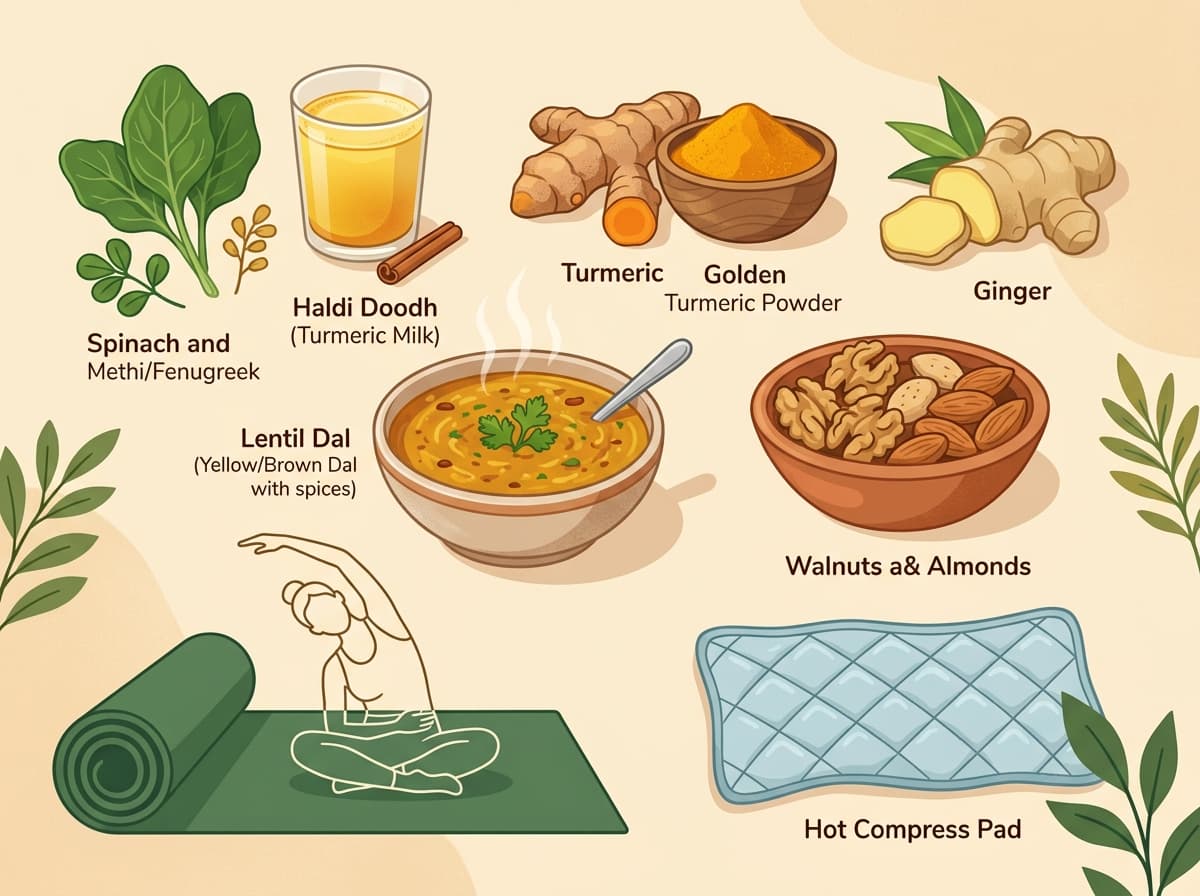
While arthritis requires professional medical management, several evidence-based home remedies and self-care strategies can significantly reduce pain, stiffness, and inflammation — especially when used alongside prescribed treatments. Here are 7 scientifically supported approaches tailored to the Indian lifestyle:
1. Turmeric (Haldi) — Nature's Anti-Inflammatory Powerhouse
Turmeric contains curcumin, a potent anti-inflammatory compound that has been shown in over 120 clinical trials to reduce arthritis pain and swelling. A 2024 meta-analysis in the Journal of Medicinal Food found that curcumin supplementation (500–1,000 mg/day) reduced knee OA pain scores by 30–40% — comparable to ibuprofen but without the gastric side effects. How to use: Add 1 teaspoon of turmeric with a pinch of black pepper (piperine enhances curcumin absorption by 2,000%) to warm milk (haldi doodh) every night. For therapeutic doses, consider curcumin supplements (500 mg, twice daily with meals) after consulting your doctor.
2. Ginger (Adrak) — A Joint Pain Reliever in Every Indian Kitchen
Ginger contains gingerols and shogaols, compounds with anti-inflammatory properties similar to COX-2 inhibitor drugs. A study published in Arthritis journal found that ginger extract reduced OA knee pain by 40% compared to placebo. How to use: Grate 1 inch of fresh ginger into boiling water for a soothing adrak chai. Apply a warm ginger paste compress on aching joints for 15–20 minutes. Include ginger generously in dals, sabzis, and soups.
3. Hot and Cold Therapy — Simple but Highly Effective
Heat therapy (warm compress, hot water bag, warm towel) relaxes muscles, increases blood flow, and eases stiffness — best used for chronic OA pain and morning stiffness. Apply for 15–20 minutes at a time. Cold therapy (ice pack wrapped in a cloth) reduces swelling and numbs acute pain — best for inflammatory flare-ups (RA, gout). Apply for 10–15 minutes, 3–4 times daily during flares. Pro tip: Start your day with a warm compress on stiff joints, and use cold packs after activity if joints are swollen.
4. Methi (Fenugreek) Seeds — Traditional Remedy with Modern Evidence
Fenugreek seeds have potent anti-inflammatory and antioxidant properties. A randomised clinical trial from AIIMS found that patients consuming soaked methi seeds (5 grams daily) for 6 months reported significant reduction in knee OA pain and improved joint function. How to use: Soak 1 tablespoon of methi seeds in water overnight. Consume on an empty stomach each morning. Alternatively, use methi powder (1 teaspoon) mixed with warm water or buttermilk.
5. Gentle Exercise and Yoga — Movement Is Medicine
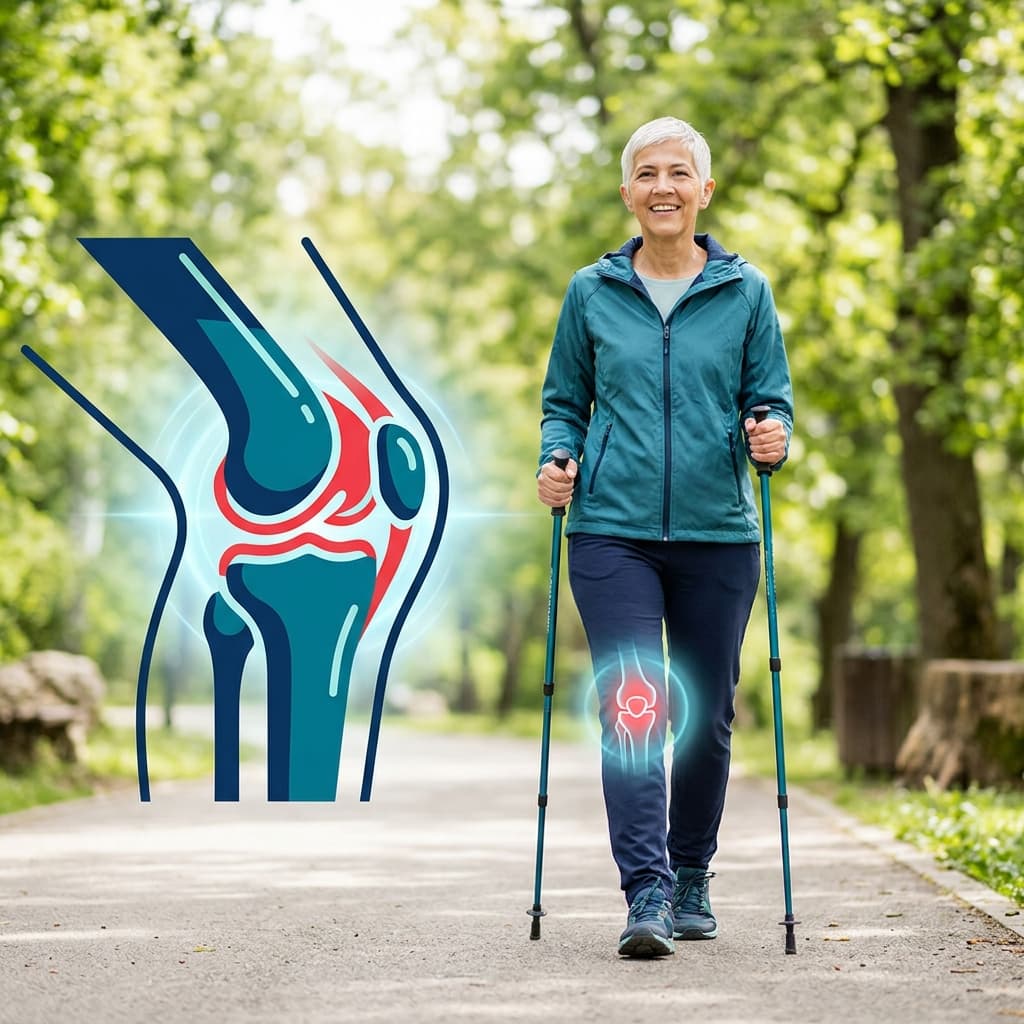
Counterintuitive as it sounds, regular gentle movement is one of the best treatments for arthritis. Exercise strengthens the muscles that support joints, improves flexibility, promotes cartilage nutrition (cartilage has no blood supply and depends on movement for nutrient delivery), and reduces pain perception. Best exercises for arthritis: Walking (30 minutes, 5 days/week), swimming (zero-impact), cycling, and specific yoga asanas — Tadasana (Mountain Pose), Virabhadrasana (Warrior Pose), Setu Bandhasana (Bridge Pose), and Trikonasana (Triangle Pose). Avoid high-impact activities like running on hard surfaces, jumping, or heavy squats.
6. Epsom Salt (Sendha Namak) Soaks
Epsom salt (magnesium sulfate) dissolved in warm water can be absorbed through the skin, helping to relax muscles, reduce joint swelling, and ease pain. How to use: Dissolve 2 cups of Epsom salt in a warm bath and soak for 15–20 minutes. For localised relief, soak the affected hand or foot in a basin of warm Epsom salt water. This is particularly soothing for morning stiffness and post-activity soreness.
7. Weight Management — The Most Impactful Lifestyle Change
If you are overweight and have knee or hip arthritis, losing weight is the single most effective non-surgical intervention available. Research shows that losing just 5 kg of body weight reduces the load on your knees by 20 kg with every step. A landmark study published in JAMA found that patients who lost 10% of their body weight experienced a 50% reduction in knee OA symptoms. Focus on a balanced diet rich in anti-inflammatory foods (described below), portion control, and daily walking.
Anti-inflammatory foods for arthritis — Indian diet recommendations
Scroll table →| Food Category | Recommended Foods (Include Daily) | Indian Examples |
|---|---|---|
| Omega-3 Fatty Acids | Fatty fish, walnuts, flaxseeds, chia seeds | Rawas (salmon), surmai (mackerel), akhrot, alsi ke beej |
| Anti-inflammatory Spices | Turmeric, ginger, cinnamon, garlic | Haldi in every sabzi, adrak chai, lahsun in dal |
| Leafy Greens | Spinach, fenugreek, mustard greens, moringa | Palak, methi, sarson ka saag, drumstick leaves (sahjan) |
| Whole Grains | Brown rice, millets, oats, whole wheat | Jowar roti, bajra roti, ragi dosa, brown rice dal-chawal |
| Collagen-Boosting Foods | Bone broth, citrus fruits, bell peppers, amla | Chicken shorba (bone soup), nimbu, amla murabba, capsicum sabzi |
| Antioxidant-Rich Fruits | Berries, pomegranate, papaya, guava | Anar, papita, amrood, seasonal berries |
| Calcium and Vitamin D | Dairy, sesame seeds, ragi, sunlight exposure | Dahi, paneer, til (sesame), ragi roti, 15 min morning sun |
Pro Tip: The traditional Indian practice of adding haldi (turmeric) to almost every cooked dish is one of the healthiest culinary habits in the world for joint health. Combine it with kali mirch (black pepper) and ghee or oil (curcumin is fat-soluble) for maximum absorption. Your grandmother's kitchen wisdom is backed by cutting-edge science!
When to See a Doctor: Don't Wait for Irreversible Damage
Many Indians treat joint pain with over-the-counter painkillers, hot oil massages, or simply "toughing it out" for years before consulting a doctor. This delay can be devastating — especially in inflammatory arthritis, where joint damage can begin within the first 3–6 months and become irreversible. Here are clear indicators that you need professional evaluation:
When to consult a doctor for joint problems
- Joint pain persisting for more than 3 weeks that doesn't improve with rest and basic pain medications
- Morning stiffness lasting more than 30 minutes daily — a hallmark of inflammatory arthritis requiring early treatment
- Joint swelling, warmth, or redness — signs of active inflammation that need medical investigation
- Joint pain with fever — this could indicate septic arthritis (a medical emergency) or an inflammatory flare
- Difficulty performing daily activities — inability to climb stairs, squat for toilet use, grip objects, or walk comfortably
- Pain that wakes you from sleep — nighttime pain that disrupts sleep suggests significant joint disease
- Visible joint deformity — any changes in joint shape, alignment, or the appearance of bony lumps around joints
- Joint symptoms after an infection — joint pain developing 1–6 weeks after chikungunya, dengue, or a urinary infection
Medical and Surgical Treatments: What Modern Medicine Offers
The treatment of arthritis has undergone a revolution in the past decade. From advanced biologic drugs that put RA into complete remission to minimally invasive arthroscopic procedures and state-of-the-art robotic-assisted joint replacements, there are now effective solutions for every stage and type of arthritis.
Medication Options
Medications commonly used for arthritis treatment
Scroll table →| Medication Class | Examples | How It Works | Best For | Key Considerations |
|---|---|---|---|---|
| NSAIDs (First-line) | Ibuprofen, Diclofenac, Naproxen, Etoricoxib | Reduce inflammation and pain by blocking COX enzymes | OA, RA, Gout (acute), AS | Use lowest effective dose for shortest time; risk of gastric ulcers with prolonged use |
| DMARDs | Methotrexate, Sulfasalazine, Hydroxychloroquine, Leflunomide | Slow down immune attack on joints; prevent disease progression | RA, Psoriatic Arthritis, AS | Gold standard for RA — early start prevents joint damage; requires regular blood monitoring |
| Biologic DMARDs | Adalimumab, Etanercept, Tocilizumab, Rituximab | Target specific immune molecules (TNF-α, IL-6) driving inflammation | Moderate-severe RA not responding to conventional DMARDs | Highly effective; risk of infections; expensive but increasingly available in India as biosimilars |
| Corticosteroids | Prednisolone, Methylprednisolone, Intra-articular injections | Powerful anti-inflammatory — rapid symptom relief | RA flares, acute gout, severe inflammation | Short-term bridge therapy only; long-term use causes osteoporosis, diabetes, weight gain |
| Urate-Lowering Therapy | Allopurinol, Febuxostat | Reduces uric acid production to prevent gout attacks | Chronic gout with recurrent attacks | Lifelong therapy; dose adjusted based on serum uric acid levels |
| Hyaluronic Acid Injections | Viscosupplementation (Synvisc, Hyalgan) | Injects lubricant directly into the joint to improve cushioning | Mild-moderate knee OA not responding to oral medications | Relief lasts 3–6 months; 1–3 injection course |
Surgical and Advanced Procedures
Surgical options for arthritis treatment
Scroll table →| Procedure | How It Works | Best For | Recovery Time | Success Rate |
|---|---|---|---|---|
| Arthroscopy | Minimally invasive camera-guided surgery to clean, repair, or remove damaged tissue | Meniscal tears, loose bodies, early cartilage damage | 2–6 weeks | Good for specific mechanical problems |
| PRP Therapy (Platelet-Rich Plasma) | Concentrated platelets from your own blood are injected to promote healing and reduce inflammation | Mild-moderate OA, tendinitis, early cartilage damage | Minimal downtime; 3 injections over 3 weeks | 60–70% patients report significant improvement |
| Osteotomy | Bone is cut and realigned to shift weight away from the damaged part of the joint | Younger patients with single-compartment knee OA | 3–6 months | Can delay joint replacement by 10–15 years |
| Partial Knee Replacement (Unicompartmental) | Replaces only the damaged compartment of the knee, preserving healthy bone and ligaments | Single-compartment OA in active patients | 4–6 weeks | 95% implant survival at 10 years |
| Total Knee Replacement (TKR) | The damaged knee joint surfaces are replaced with metal and polyethylene implants | Severe OA or RA with significant functional limitation | 6–12 weeks; full recovery 3–6 months | 95–97% implant survival at 15 years; over 90% pain relief |
| Total Hip Replacement (THR) | Damaged hip ball and socket replaced with metal, ceramic, or polyethylene components | Severe hip OA, avascular necrosis, hip fractures | 6–12 weeks; full recovery 3–6 months | 95% implant survival at 15–20 years |
| Robotic-Assisted Joint Replacement | Computer-guided robotic arm allows sub-millimeter precision in implant placement | Patients requiring maximum accuracy and faster recovery | Slightly faster than conventional replacement | Improved alignment, less bone loss, potentially longer implant life |
Prevention: 10 Joint-Protecting Habits for a Pain-Free Life
Daily habits to prevent arthritis and protect your joints
- Maintain a healthy weight — This is the #1 modifiable risk factor. Every kilogram you lose reduces knee joint load by 4 kg. Target a BMI of 18.5–24.9. Even a 5–10% weight loss in overweight individuals can dramatically reduce arthritis risk and symptoms.
- Stay physically active — Aim for 150 minutes of moderate exercise per week. Walking, swimming, cycling, and yoga are ideal. Exercise strengthens muscles that support joints, maintains cartilage health, and improves flexibility. Remember: "motion is lotion" for your joints.
- Build muscle strength — Strong quadriceps protect your knees; strong core muscles protect your spine. Incorporate bodyweight exercises like wall sits, straight leg raises, and planks into your routine. Muscle is your body's natural shock absorber for joints.
- Protect your joints during activities — Use proper body mechanics when lifting (bend at the knees, not the waist), avoid squatting for prolonged periods, use chairs instead of sitting on the floor for extended times if you have knee issues, and wear supportive footwear.
- Eat an anti-inflammatory diet — Load up on omega-3 fatty acids, turmeric, ginger, leafy greens, and whole grains. Minimise refined sugar, maida, excessive red meat, and processed foods. The Mediterranean and traditional Indian (grain + dal + sabzi + dahi) dietary patterns are both protective.
- Get enough calcium and Vitamin D — Calcium (1,000–1,200 mg/day) and Vitamin D (600–2,000 IU/day) are essential for bone health. Include dairy, ragi, sesame seeds, and green leafy vegetables. Get 15–20 minutes of morning sunlight daily for natural Vitamin D synthesis.
- Stay hydrated — Synovial fluid (the lubricant inside joints) is primarily water. Dehydration reduces its viscosity and cushioning ability. Drink 2.5–3 litres of water daily. Include coconut water, buttermilk, and soups for variety.
- Avoid smoking and limit alcohol — Smoking accelerates cartilage breakdown and increases the risk of RA by 40–60%. Excessive alcohol increases uric acid levels and gout risk. If you smoke, quitting is one of the best things you can do for your joints.
- Treat injuries promptly — A sprained ankle, a twisted knee, or a sports injury that is not properly treated today can become post-traumatic arthritis 10–20 years from now. Always get joint injuries evaluated, follow rehabilitation protocols, and don't rush return to full activity.
- Get regular health check-ups after age 40 — Include uric acid levels, Vitamin D, calcium, ESR, CRP, and RA factor in your annual blood work. Early detection of elevated markers allows preventive intervention before symptoms even begin.
Special Considerations: Arthritis in Specific Populations
Women and Arthritis
Women account for nearly two-thirds of all arthritis cases in India. This disproportionate burden is driven by hormonal factors (oestrogen decline after menopause), autoimmune predisposition (RA is 3x more common in women), lower muscle mass for joint support, and social factors (women in rural India often do extensive manual labour including farming, water collection, and grinding grain while sitting cross-legged for hours). The WHO-COPCORD study highlighted that over 1.17 million young Indian women of reproductive age are living with RA — a prevalence higher than global averages. If you're a woman experiencing persistent joint pain, especially in your 30s–50s, don't dismiss it as "normal aches" — seek evaluation.
Arthritis in Diabetes Patients
Diabetes and arthritis frequently co-exist. High blood sugar accelerates cartilage damage through advanced glycation end-products (AGEs), and diabetic patients often have higher body weight (a direct risk factor for OA). Additionally, diabetes-related nerve damage (neuropathy) can mask joint pain, leading to delayed diagnosis. The WHO-COPCORD India study found that OA is significantly co-morbid with diabetes, hypertension, and obesity. If you have diabetes, proactive joint care — including weight management, gentle exercise, and regular orthopaedic check-ups — is essential.
Myths vs Facts: Clearing Up Common Arthritis Misconceptions
Common myths and facts about arthritis
Scroll table →| ❌ Myth | ✅ Fact |
|---|---|
| "Arthritis only affects old people." | Rheumatoid arthritis commonly strikes between ages 30–50, gout affects men as young as 25–30, and juvenile arthritis affects children under 16. While osteoarthritis is more common with age, arthritis is NOT exclusively a disease of the elderly. |
| "Cracking your knuckles causes arthritis." | Multiple long-term studies, including a famous self-experiment by Dr. Donald Unger (who cracked knuckles on one hand for 60 years), have conclusively shown that knuckle cracking does NOT cause arthritis. It may annoy people around you, but it won't damage your joints. |
| "Exercise makes arthritis worse — you should rest your joints." | This is one of the most harmful myths. Regular, gentle exercise is essential for arthritis management. It strengthens muscles that support joints, maintains cartilage nutrition, reduces stiffness, and improves mood. Inactivity actually worsens arthritis by allowing muscles to weaken and joints to stiffen. |
| "If I have arthritis, I'll eventually need a joint replacement." | The vast majority of arthritis patients manage their condition effectively with medication, physiotherapy, lifestyle changes, and injections and NEVER need surgery. Joint replacement is reserved for severe cases that don't respond to conservative treatment. |
| "Arthritis pain is just something you have to live with." | Modern medicine offers highly effective treatments — from advanced medications (DMARDs, biologics) to PRP therapy, viscosupplementation, and precision joint replacement. No one should accept chronic joint pain as inevitable. Effective pain management is available and accessible. |
| "Weather changes cause arthritis." | While many patients report that cold, damp weather worsens their symptoms (and there is some evidence that barometric pressure changes affect joint fluid), weather does NOT cause arthritis. It may temporarily aggravate existing symptoms, but it is not a causative factor. |
Dietary Do's and Don'ts for Arthritis Patients
Dietary recommendations for arthritis management
Scroll table →| ✅ Do's — Eat More Of | ❌ Don'ts — Limit or Avoid |
|---|---|
| Turmeric milk (haldi doodh) nightly — curcumin reduces joint inflammation by 30–40% | Refined sugar and mithai — sugar triggers inflammatory cytokines that worsen joint pain |
| Fatty fish (rawas, surmai, bangda) 2–3 times/week for omega-3s | Red meat and organ meats — high in purines, which raise uric acid and trigger gout attacks |
| Methi (fenugreek) seeds soaked overnight — proven to reduce OA pain | Excessive salt — promotes fluid retention and worsens joint swelling |
| Green leafy vegetables (palak, methi, sarson) daily for calcium and antioxidants | Deep-fried foods (samosa, pakora, vada pav daily) — trans fats promote chronic inflammation |
| Whole grains (jowar, bajra, ragi, brown rice) instead of maida-based foods | Cold drinks and packaged juices — high fructose content increases uric acid levels |
| Dahi and buttermilk (chaas) daily — probiotics support anti-inflammatory gut health | Excessive alcohol — directly raises uric acid; increases inflammation; weakens bones |
| Sesame seeds (til) and ragi for bone-strengthening calcium | Processed and packaged foods — contain inflammatory additives, excess sodium, and preservatives |
| Amla (Indian gooseberry) daily — one of the richest natural sources of Vitamin C for collagen repair | Excessive tea/coffee (>3 cups/day) — caffeine may interfere with calcium absorption |
Recovery and Long-Term Management: What to Expect
Recovery timeline and long-term management expectations
- Week 1–2 (Starting Treatment) — Your doctor will order diagnostic tests (X-ray, blood tests including ESR, CRP, RA factor, uric acid, anti-CCP antibodies, Vitamin D levels). Treatment is initiated based on diagnosis. For OA, this may be pain management and physiotherapy. For RA, DMARDs like methotrexate are started early to prevent joint damage.
- Week 3–6 — If on DMARDs (for RA), the medication takes 4–6 weeks to show full effect. Physiotherapy exercises will start showing improvement in stiffness and range of motion. Pain levels typically begin to decrease. For OA patients, consistent exercise and weight management begin yielding results.
- Month 2–3 — Significant improvement in most patients. RA patients on DMARDs see measurable reduction in morning stiffness, joint swelling, and inflammatory markers. OA patients who have adopted exercise and weight loss report noticeably less pain. PRP/injection therapy patients typically feel improvement around this time.
- Month 3–6 — Treatment optimisation phase. Medication doses are adjusted, physiotherapy intensifies, and lifestyle changes become habits. Most patients describe this as the period where they "start feeling like themselves again." For post-surgical patients (joint replacement), this is when full functional recovery is typically achieved.
- Month 6 onwards — Maintenance phase. Regular follow-ups (every 3–6 months), continued exercise, dietary adherence, and medication monitoring (for RA patients) become the ongoing routine. The goal shifts from acute management to long-term joint preservation and quality of life.
- Important Note — Arthritis is a chronic condition — it can be excellently managed and controlled, but most forms cannot be "cured" permanently. The key is consistent management: medications as prescribed, regular exercise, healthy weight, and scheduled doctor visits. With proper care, most arthritis patients lead active, fulfilling lives with minimal limitation.
Expert Joint Care at Sanjivani Hospital, Virar
🏥 Sanjivani Hospital's Orthopaedics & Joint Replacement Department offers comprehensive arthritis care — from early diagnosis and medication management to advanced interventional procedures and joint replacement surgery. Our services include: Expert orthopaedic consultations for all types of arthritis (OA, RA, gout, spondylitis) | Digital X-ray, ultrasound, and blood investigations for accurate diagnosis | Physiotherapy and rehabilitation with dedicated therapists | Intra-articular injections (corticosteroid, hyaluronic acid, PRP) | Arthroscopic surgery for meniscal tears and cartilage repair | Partial and total knee/hip replacement by experienced surgeons | Post-operative rehabilitation programmes. We believe that no one should live with preventable joint pain. Book a consultation today and take the first step toward pain-free living.
The Bottom Line: Key Takeaways
Key takeaways about arthritis
- Arthritis affects 1 in 6 Indians — it is the most common self-reported illness in many communities, surpassing diabetes and hypertension. Don't dismiss joint pain as "normal ageing."
- Early diagnosis prevents irreversible damage — especially in rheumatoid arthritis, where starting DMARDs within the first 3–6 months dramatically improves long-term outcomes. Delay costs cartilage.
- Lifestyle changes are as powerful as medicine — weight management, daily exercise, an anti-inflammatory diet, and joint-protective habits can reduce symptoms by 40–50% even without surgery.
- Modern treatments are highly effective — from biologic drugs that put RA into remission to robotic-assisted joint replacements with 95%+ success rates, there is no reason to suffer in silence.
- Your Indian kitchen is a pharmacy — turmeric, ginger, methi seeds, amla, sesame seeds, and bone soup are scientifically validated joint-health superfoods. Use them daily and generously.