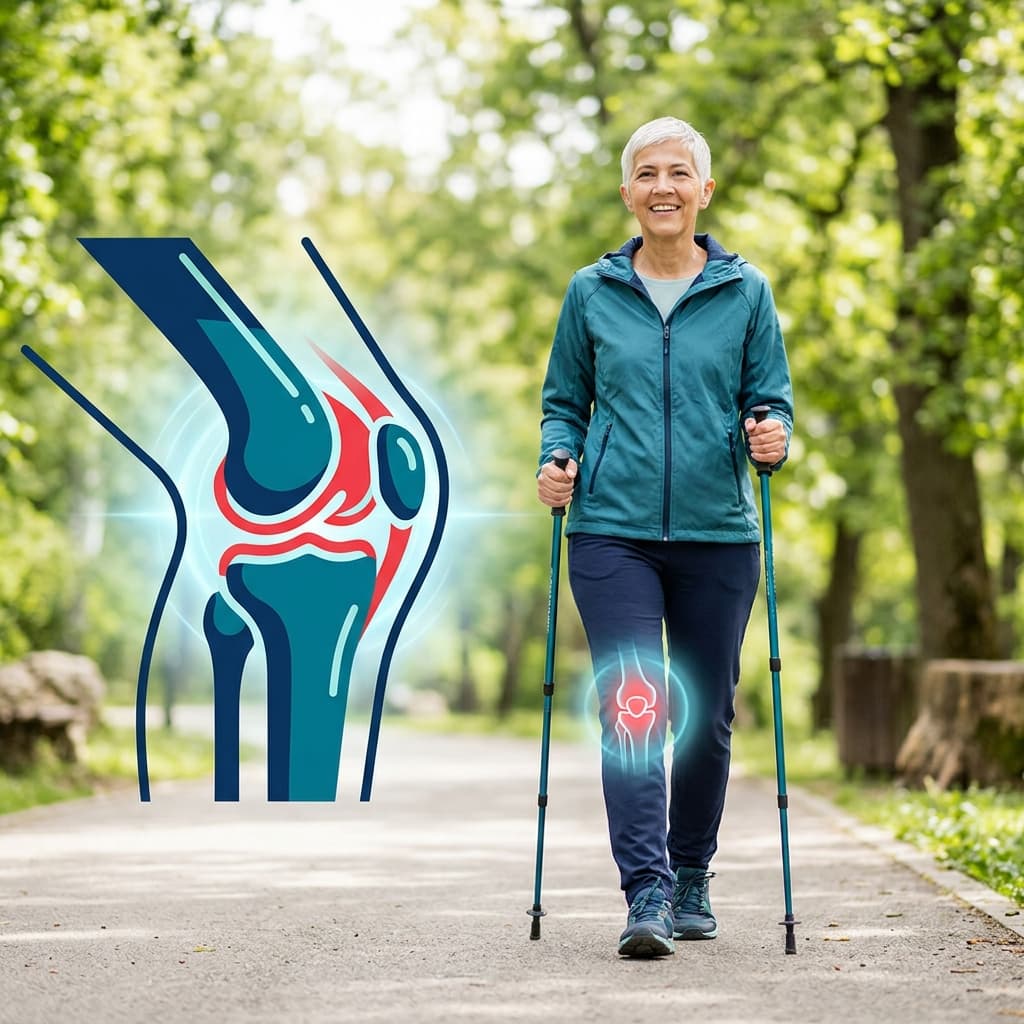
As we age, chronic knee and joint pain can significantly impact our quality of life, making simple daily tasks like climbing stairs, walking, or even standing up from a chair feel like a major challenge. Understanding the source of your pain and exploring the available treatments can help you regain mobility and live pain-free.
Common Causes of Chronic Joint Pain
The most common cause of persistent knee pain in older adults is Osteoarthritis. This is a wear-and-tear condition where the protective cartilage that cushions the ends of your bones gradually wears away. Other causes include rheumatoid arthritis, gout, past ligament injuries, and excessive weight placing strain on the joints.
Non-Surgical Joint Pain Management
For mild to moderate joint pain, non-surgical options are highly effective:
- Weight Management: Reducing body weight decreases the direct load on your knee joints.
- Physiotherapy: Strengthening the quadriceps and hamstring muscles helps stabilize the joint.
- Low-Impact Exercise: Cycling and swimming keep the joint lubricated without high impacts.
- Medication & Injections: Pain relief medications or intra-articular injections can temporarily reduce severe inflammation.
When to Consider Joint Replacement Surgery
Joint replacement surgery (Arthroplasty) is considered when conservative treatments no longer provide relief. Signs that you may need surgery include:
Key indicators for knee replacement:
- Severe pain that limits daily activities (walking, bending, climbing stairs).
- Moderate or severe pain even while resting or sleeping.
- Chronic joint inflammation and swelling that doesn't improve with medication or rest.
- Significant joint stiffness or a visible bow-legged deformity in the knee.
- No significant improvement from physical therapy or joint injections.
Orthopedic Excellence at Sanjivani Hospital
Modern joint replacement surgery is highly successful, offering rapid recovery and restoring full mobility in most patients. The Orthopedics Department at Sanjivani Hospital in Virar West features experienced orthopedic surgeons, a modern operation theater setup, and a post-operative physiotherapy unit to guide your complete rehabilitation.