Anyone who has ever experienced kidney stone pain will tell you the same thing: it is one of the most agonizing pains a human body can go through. It often starts as a sudden, sharp ache in the back or side, radiating down to the lower abdomen and groin, leaving the person restless and sweating.
In India, kidney stones are highly prevalent, especially in the dry, hot regions of North and Western India, often called the 'stone belt'. Understanding how these stones form and taking active preventive measures can save you from a severe medical emergency.
What Exactly are Kidney Stones?
Kidney stones (nephrolithiasis) are hard deposits made of minerals and salts that form inside your kidneys. They develop when your urine contains more crystal-forming substances—such as calcium, oxalate, and uric acid—than the fluid in your urine can dilute. At the same time, your urine may lack substances that prevent crystals from sticking together, creating an ideal environment for stones to grow.
Warning Signs of Kidney Stones
A kidney stone may remain silent until it starts moving within the kidney or passes into the ureter (the tube connecting the kidney and bladder). When it does, symptoms appear quickly:
Common symptoms to watch out for:
- Severe, fluctuating pain in the back and side, below the ribs (renal colic).
- Pain that radiates to the lower abdomen, groin, or genitalia.
- Pain or burning sensation during urination.
- Cloudy, foul-smelling, or pink/red-colored urine (blood in urine).
- Nausea and vomiting, often triggered by the intensity of the pain.
- Persistent urge to urinate or urinating in small amounts.
- Fever and chills, which indicate a serious urinary tract infection (UTI).
Key Causes and Risk Factors
While anyone can develop a kidney stone, certain factors significantly increase your risk:
Primary risk factors:
- Dehydration: Not drinking enough water is the single greatest risk factor. Hotter climates increase sweat, concentrating urine.
- Dietary Choices: Eating a diet high in sodium (salt), animal protein, and sugar increases stone risk.
- High-Oxalate Foods: Excessive consumption of spinach, chocolate, tea, nuts, and certain soy products can lead to calcium oxalate stones.
- Family or Personal History: If someone in your family has stones, or if you have had one, you are more likely to develop another.
- Obesity and Medical Conditions: High body mass index, inflammatory bowel diseases, chronic diarrhea, and certain urinary tract abnormalities contribute to stone formation.
Preventive Diet and Hydration Rules
Fortunately, most kidney stones can be prevented by altering daily habits and diet. Here are the most effective strategies:
Dietary prevention strategies:
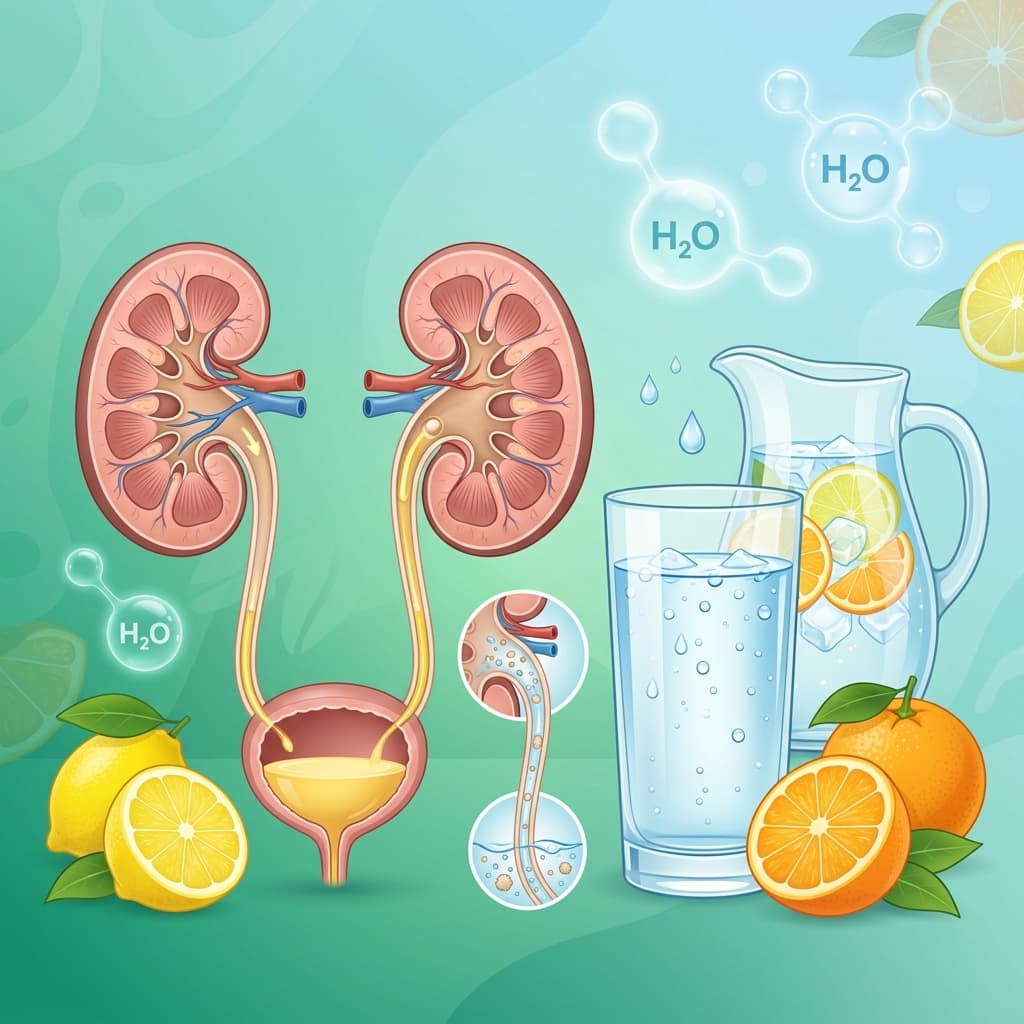
- Drink Abundant Water: Aim for 2.5 to 3 liters of water daily. Your urine should be pale and clear, not dark yellow.
- Consume Citrus Fruits: Lemons, limes, and oranges contain citrate, which binds to calcium and prevents stone formation.
- Limit Sodium (Salt) Intake: High sodium levels increase the amount of calcium your kidneys must filter, increasing stone risk.
- Eat Calcium-Rich Foods: Do not cut out dietary calcium. Eating calcium-rich foods (like dairy) alongside oxalate-rich foods helps them bind in the digestive tract rather than the kidneys.
- Reduce Animal Protein: Limit excessive red meat, poultry, and eggs, which increase uric acid levels in the blood.
Treatment Options at Sanjivani Hospital
The treatment for kidney stones depends on their size, location, and the severity of symptoms. Small stones (under 5mm) can often be flushed out naturally with medication and plenty of water.
For larger stones or those causing severe blockage/infection, Sanjivani Hospital's Urology department offers state-of-the-art, minimally invasive surgical options, including Extracorporeal Shock Wave Lithotripsy (ESWL) to break stones using sound waves, Ureteroscopy (URS) for retrograde stone removal, and Percutaneous Nephrolithotomy (PCNL) for very large stones. Our expert urologists ensure safe, painless recovery and comprehensive post-procedure care.