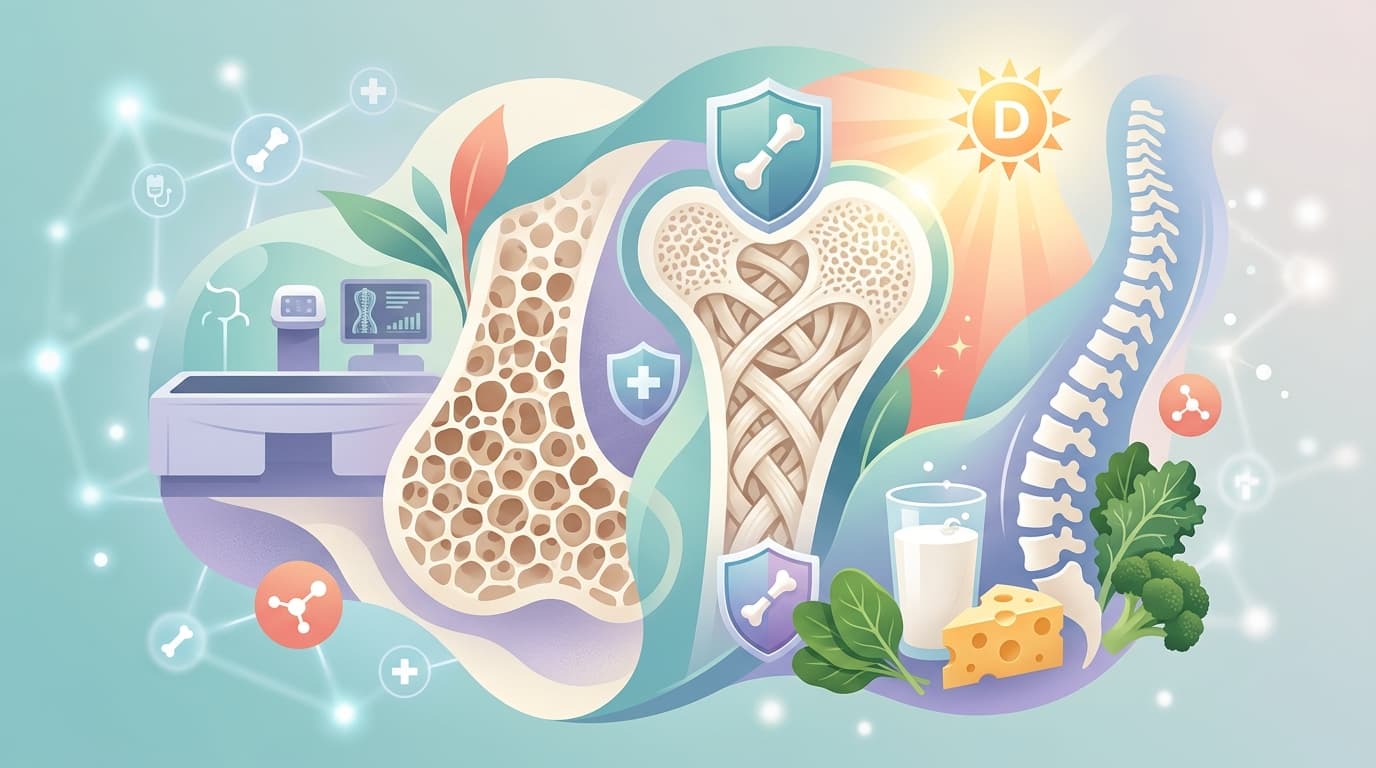
Every 3 seconds, someone in the world suffers an osteoporotic fracture. In India alone, an estimated 60 million people — roughly the population of Karnataka — are living with osteoporosis, with the vast majority unaware of their condition until the devastating moment a bone breaks from something as trivial as bending down to pick up a bag or coughing too hard.
Osteoporosis is often called the 'silent thief' because it quietly robs your bones of their density and strength over years or even decades, producing no pain and no visible symptoms. By the time it announces itself — usually through a sudden fracture of the hip, spine, or wrist — the damage is already extensive. What makes this especially alarming in India is that osteoporotic fractures in Indian populations tend to occur 10 to 20 years earlier than in Western countries, driven by a unique combination of widespread vitamin D deficiency, chronically low calcium intake, early menopause, and increasingly sedentary urban lifestyles.
Today, October 20th, is World Osteoporosis Day — a global campaign to raise awareness about this preventable, treatable, but devastatingly under-diagnosed condition. This comprehensive guide covers everything you need to know: what's happening inside your bones, who is most at risk, the 9 warning signs to watch for, how to read your DEXA scan report, which Indian foods genuinely strengthen bones, the full spectrum of medical treatments, and actionable lifestyle changes you can start today — regardless of your age.
What Is Osteoporosis? Understanding Your Bones From the Inside
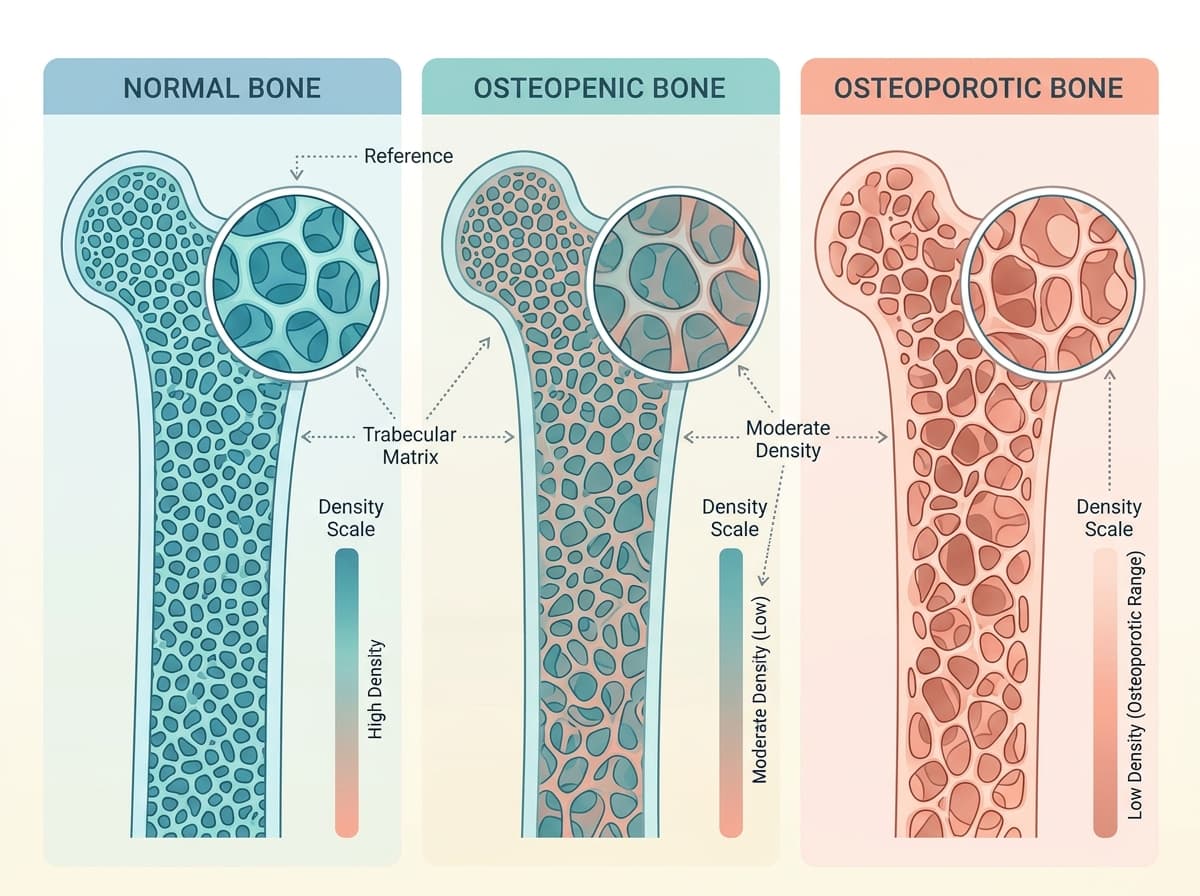
Osteoporosis — from the Greek words 'osteo' (bone) and 'porosis' (porous) — literally means 'porous bones'. It is a systemic skeletal disorder characterised by low bone mineral density (BMD) and deterioration of the bone's microarchitecture, leading to increased bone fragility and a dramatically heightened risk of fractures.
To understand osteoporosis, it helps to know that bone is a living tissue that is constantly being remodelled. Throughout your life, specialised cells called osteoclasts break down old bone (resorption), while osteoblasts build new bone (formation). In healthy young adults, formation outpaces resorption, and bone mass increases until it reaches its peak — typically around age 25–30. After that, the balance gradually shifts: resorption begins to outpace formation, and bone mass slowly declines.
In osteoporosis, this natural decline accelerates dramatically. The internal structure of bone — the trabecular (spongy) bone that forms the honeycomb-like interior — becomes thinner, more widely spaced, and eventually disconnected. The result is a bone that looks normal on the outside but is dangerously fragile on the inside, like a building whose load-bearing walls have been hollowed out.
IMPORTANT: Osteoporosis is NOT a normal part of ageing. While some bone loss is natural after age 30, the accelerated loss that defines osteoporosis is a medical condition — and it is both preventable and treatable when caught early.
Types of Osteoporosis: Primary vs Secondary
Understanding the classification of osteoporosis helps guide treatment:
Scroll table →| Type | Who It Affects | Primary Cause | Key Details |
|---|---|---|---|
| Type I (Postmenopausal) | Women aged 50–70 | Oestrogen decline after menopause | Rapid bone loss in the first 5–10 years post-menopause; primarily affects trabecular (spongy) bone — spine and wrist fractures are most common |
| Type II (Senile/Age-related) | Both sexes, typically 70+ | Natural age-related bone remodelling imbalance | Gradual loss of both trabecular and cortical bone; hip fractures are the hallmark |
| Secondary Osteoporosis | Any age, both sexes | Underlying medical condition or medication | Caused by conditions like hyperthyroidism, Cushing's syndrome, celiac disease, rheumatoid arthritis, or long-term use of corticosteroids, anti-seizure drugs, or proton pump inhibitors |
| Idiopathic Juvenile | Children and young adults | Unknown (rare) | Occurs before age 25 without identifiable cause; usually self-limiting but requires specialist evaluation |
Causes & Risk Factors: Why Your Bones May Be Weakening
Osteoporosis is a multifactorial disease. Understanding your personal risk factors is the first step toward prevention and early detection:
Major risk factors for osteoporosis in the Indian context:
- Menopause and oestrogen decline — Oestrogen is a key protector of bone density. After menopause, women lose bone at an accelerated rate of 2–5% per year for the first 5–7 years. Indian women experience menopause 2–4 years earlier (average age 46–48) than Western women, giving osteoporosis a longer window to develop
- Vitamin D deficiency — Despite India receiving abundant sunlight, an astonishing 70–90% of Indians are vitamin D deficient. This is due to darker skin pigmentation (which reduces vitamin D synthesis), indoor lifestyles, pollution, and cultural practices that limit sun exposure. Without adequate vitamin D, the body cannot absorb calcium efficiently
- Low dietary calcium intake — The average Indian consumes only 400–500 mg of calcium per day, well below the recommended 1,000–1,200 mg. Traditional Indian diets, while rich in many nutrients, often lack sufficient dairy or calcium-dense alternatives
- Sedentary lifestyle — Urbanisation has dramatically reduced weight-bearing physical activity. Bones respond to mechanical stress by becoming stronger — without regular exercise, this stimulus is lost. Studies show that urban Indians walk an average of only 3,000–4,000 steps daily
- Smoking and tobacco use — Tobacco directly inhibits osteoblast (bone-building) activity. Smokers have a 25–30% higher risk of fractures compared to non-smokers. Bidi and gutka use carry similar risks
- Excessive alcohol consumption — More than 2 alcoholic drinks per day interferes with calcium absorption, reduces bone formation, and increases fall risk
- Family history and genetics — If a parent had a hip fracture or was diagnosed with osteoporosis, your risk is significantly elevated. Genetic factors account for up to 60–80% of peak bone mass variation
- Low body weight (BMI < 19) — Thinner individuals have less bone mass to begin with and less padding to absorb impact during falls. This is particularly relevant in India where undernutrition remains prevalent in rural areas
- Chronic corticosteroid use — Medications like prednisolone, commonly prescribed for asthma, arthritis, and autoimmune conditions, are one of the most common causes of secondary osteoporosis. Even 5 mg/day for 3 months can cause measurable bone loss
- Multiple pregnancies and prolonged lactation — Each pregnancy and lactation cycle draws calcium from maternal bones. Without adequate supplementation and recovery, this cumulative drain significantly impacts long-term bone density — a particularly important factor in India where high parity is common
- Thyroid and parathyroid disorders — Hyperthyroidism and hyperparathyroidism accelerate bone turnover. India has a high prevalence of thyroid disorders, especially in women
- Chronic kidney disease — Impaired kidneys cannot convert vitamin D to its active form, leading to calcium malabsorption and secondary hyperparathyroidism — both devastating for bone health
9 Silent Warning Signs of Osteoporosis Most People Miss
Osteoporosis is called 'silent' because bone loss itself does not cause pain. However, there are subtle signs and indicators that — if recognised early — can prompt timely investigation and prevent catastrophic fractures:
Watch for these warning signs:
- Loss of height — Losing more than 2–3 cm (1 inch) of height from your tallest adult measurement is a significant warning sign. This height loss often results from compression fractures of the vertebrae that may occur without noticeable acute pain
- Stooped or hunched posture (kyphosis) — A gradually developing forward curvature of the upper back — sometimes called a 'dowager's hump' — is caused by multiple small compression fractures in the thoracic vertebrae. If you notice your posture becoming increasingly rounded, get a bone density assessment
- Sudden, severe back pain — Acute episodes of sharp, localised back pain — especially in the mid-to-lower thoracic or upper lumbar region — may indicate a vertebral compression fracture. This pain often worsens with standing or walking and eases with lying down
- A fracture from minor trauma — Breaking a bone from a fall from standing height or less, or from an activity that shouldn't cause a fracture (lifting a grandchild, opening a window, coughing), is a hallmark of osteoporotic bone. This is called a fragility fracture
- Receding gums and loose teeth — Your jawbone supports your teeth, and when it loses density, gums can recede and teeth may become loose. Unexplained dental deterioration after age 45–50 may be an early oral manifestation of systemic bone loss
- Weakened grip strength — Research has consistently linked declining grip strength with lower bone mineral density and increased fracture risk. If you notice difficulty opening jars, turning doorknobs, or maintaining grip, it may signal broader musculoskeletal decline
- Brittle, ridged, or easily breaking fingernails — While nail health is influenced by many factors, chronically brittle nails in combination with other risk factors may suggest impaired mineral metabolism affecting bone as well
- Chronic fatigue and generalised body aches — Severe vitamin D deficiency — which underlies most osteoporosis in India — often presents as unexplained fatigue, diffuse bone and muscle aches, and a general feeling of unwellness long before bone density drops to osteoporotic levels
- Frequent cramps and muscle spasms — Low calcium levels associated with vitamin D deficiency can cause muscle cramps (especially in the calves and feet at night), tingling, and numbness — signs that your body is drawing calcium away from bones to maintain critical blood calcium levels
RED FLAG — SEEK IMMEDIATE MEDICAL ATTENTION: If you experience sudden, severe back pain after a fall (even a minor one), inability to stand or walk after a hip or leg impact, or visible deformity after minor trauma — these may indicate an osteoporotic fracture. Hip fractures in elderly patients carry a 1-year mortality rate of 20–30% if not treated promptly.
DEXA Scan: The Gold Standard for Bone Density Diagnosis
Dual-energy X-ray Absorptiometry (DEXA or DXA) is the gold standard diagnostic test for osteoporosis. It is a painless, non-invasive scan that takes just 10–15 minutes and uses very low-dose X-rays (less radiation than a chest X-ray) to measure bone mineral density at the most fracture-prone sites — typically the lumbar spine (L1–L4) and the proximal femur (hip).
Understanding Your DEXA Results: T-Score and Z-Score
DEXA scan results are reported as T-scores:
Scroll table →| T-Score Range | Classification | What It Means | Recommended Action |
|---|---|---|---|
| -1.0 and above | Normal | Bone density is within the healthy range for a young adult | Continue calcium, vitamin D, and weight-bearing exercise; repeat DEXA in 5–10 years if risk factors are present |
| -1.0 to -2.5 | Osteopenia (Low Bone Mass) | Bone density is below normal but not yet osteoporotic | Intensify lifestyle measures; consider pharmacotherapy if FRAX 10-year fracture risk > 20% (major) or > 3% (hip); repeat DEXA in 1–2 years |
| -2.5 and below | Osteoporosis | Significantly reduced bone density with elevated fracture risk | Begin prescription anti-osteoporosis medication; optimise calcium, vitamin D, and exercise; fall-prevention assessment; repeat DEXA in 1–2 years |
| -2.5 and below + fragility fracture | Severe (Established) Osteoporosis | Confirmed osteoporosis with at least one fracture from minimal trauma | Aggressive pharmacotherapy (may include anabolic agents); comprehensive fall-prevention programme; possible physiotherapy and pain management |
The Z-SCORE compares your bone density to others of the SAME age and sex. It is used for premenopausal women, men under 50, and children. A Z-score of -2.0 or lower is considered 'below the expected range for age' and warrants investigation for secondary causes of osteoporosis.
Who Should Get a DEXA Scan? (Indian Guidelines)
The Indian Society for Bone and Mineral Research (ISBMR) recommends DEXA screening for:
- All women aged 60 and above (or postmenopausal women under 60 with significant risk factors)
- All men aged 65 and above (or younger men with clinical risk factors)
- Anyone who has experienced a fragility fracture after age 40
- Patients on long-term corticosteroids (≥ 5 mg prednisolone equivalent for ≥ 3 months)
- Patients with conditions known to cause secondary osteoporosis — hyperthyroidism, hyperparathyroidism, coeliac disease, rheumatoid arthritis, CKD
- Anyone with radiographic evidence of vertebral deformity or significant height loss (> 3 cm)
- Women with early menopause (before age 45) or surgical menopause (oophorectomy)
Calcium-Rich Indian Diet for Stronger Bones
Nutrition is the cornerstone of bone health. The recommended daily calcium intake for Indian adults is 1,000 mg (age 19–50) and 1,200 mg (age 50+). Unfortunately, the average Indian diet provides only 400–500 mg. Here's how to bridge the gap with foods commonly available in Indian kitchens:
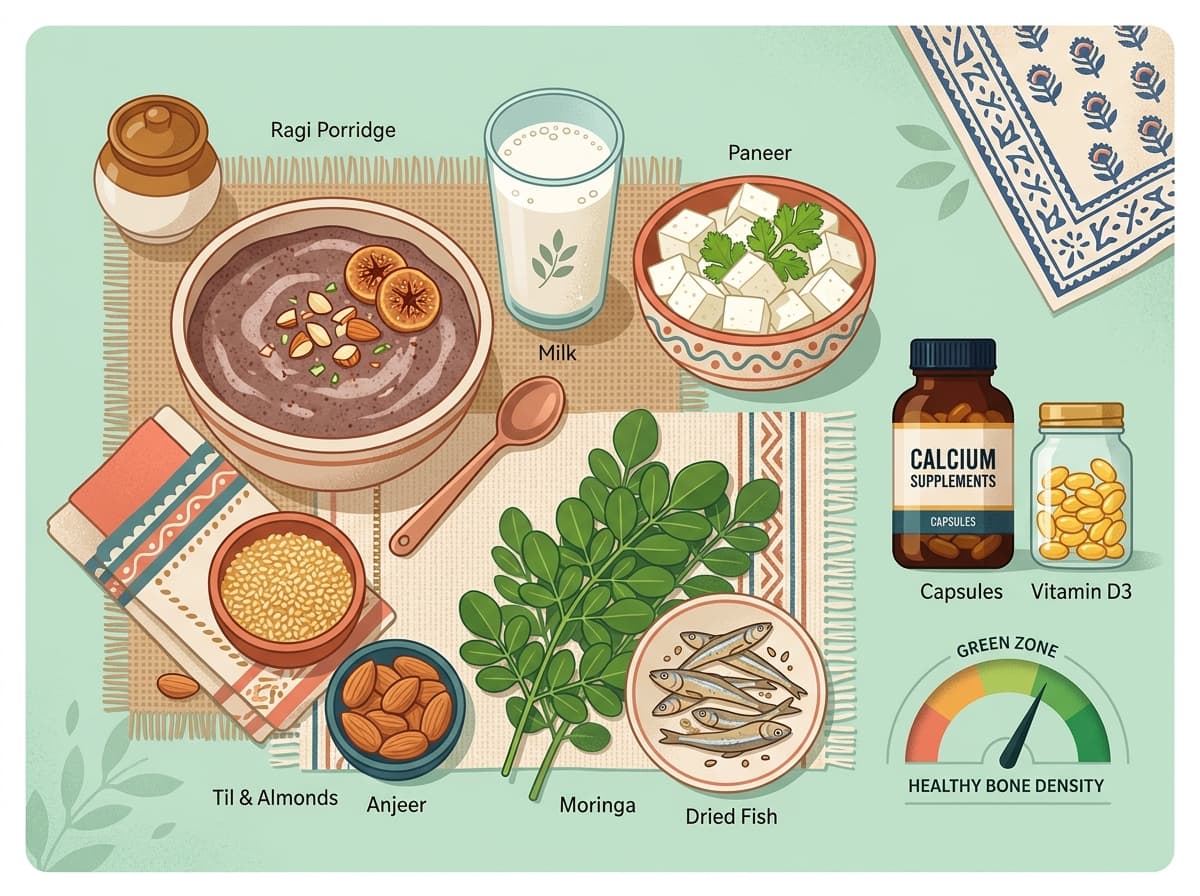
Top calcium-rich Indian foods and their calcium content per serving:
Scroll table →| Food Item | Serving Size | Calcium (mg) | Bonus Benefits |
|---|---|---|---|
| Ragi (Finger Millet) | 1 cup cooked (100g) | 344 mg | Also rich in iron, fibre, and amino acids; make ragi porridge, roti, or dosa |
| Sesame Seeds (Til) | 2 tablespoons (20g) | 195 mg | Add to chutneys, laddoos, or sprinkle on salads; also provides zinc and magnesium |
| Paneer (Cottage Cheese) | 100g | 208 mg | Excellent protein source; use in sabzis, sandwiches, or eat cubed as a snack |
| Milk (Cow's/Buffalo's) | 1 glass (250 ml) | 300 mg | The most bioavailable calcium source; toned milk retains calcium content |
| Curd / Dahi | 1 cup (200g) | 250 mg | Probiotics aid calcium absorption; add to raita, lassi, or eat plain |
| Moringa Leaves (Drumstick) | 1 cup cooked (100g) | 185 mg | 17× more calcium than milk gram-for-gram; add to dal, sambar, or smoothies |
| Almonds (Badam) | 20 almonds (28g) | 76 mg | Also provides vitamin E and magnesium; soak overnight for better absorption |
| Dried Figs (Anjeer) | 4–5 pieces (50g) | 80 mg | High in potassium and fibre; eat soaked or add to desserts |
| Amaranth (Rajgira) | 1 cup cooked (100g) | 159 mg | Gluten-free superfood; make rajgira chikki, paratha, or porridge |
| Small Dried Fish (Nethili) | 50g | 500+ mg | Tiny bones are entirely edible and calcium-dense; popular in coastal Maharashtra and South India |
| Tofu (Calcium-set) | 100g | 350 mg | Excellent plant-based option; use in stir-fries or curries |
| Green Leafy Vegetables | 1 cup cooked | 100–200 mg | Spinach (palak), fenugreek (methi), mustard greens (sarson) — but note oxalates in spinach reduce absorption |
PRO TIP — THE RAGI-TIL COMBINATION: Ragi porridge topped with a tablespoon of roasted sesame seeds and served with a glass of milk provides approximately 550–600 mg of calcium in a single meal — more than half your daily requirement! This traditional combination is one of India's most powerful bone-building meals.
Vitamin D: The Essential Calcium Enabler
Calcium alone is not enough. Without adequate vitamin D, your body absorbs only 10–15% of dietary calcium. With sufficient vitamin D, absorption improves to 30–40%. This is why vitamin D is called the 'gateway vitamin' for bone health.
Vitamin D Requirements and Sources
Recommended vitamin D levels and supplementation:
Scroll table →| Parameter | Target / Recommendation |
|---|---|
| Optimal blood level (25-OH Vitamin D) | 30–50 ng/mL (75–125 nmol/L) |
| Deficiency threshold | < 20 ng/mL (< 50 nmol/L) |
| Daily requirement (adults) | 600–800 IU (may need 1,000–2,000 IU in deficient individuals) |
| Correction dose (if deficient) | 60,000 IU cholecalciferol weekly for 8 weeks, then 60,000 IU monthly maintenance |
| Best natural source | Direct sunlight on skin — 15–20 minutes of mid-day sun on arms and face, 3–4 times per week |
| Food sources | Fatty fish (salmon, sardines), egg yolks, fortified milk, mushrooms exposed to UV light |
CRITICAL FOR INDIANS: Despite living in a tropical country, 70–90% of Indians have insufficient vitamin D. This is the single biggest correctable factor in Indian osteoporosis. Get your 25-OH Vitamin D level tested — a simple blood test costing ₹500–₹1,200 at most labs — and correct any deficiency with your doctor's guidance.
Home Remedies & Lifestyle Strategies for Bone Health
1. Weight-Bearing and Resistance Exercise
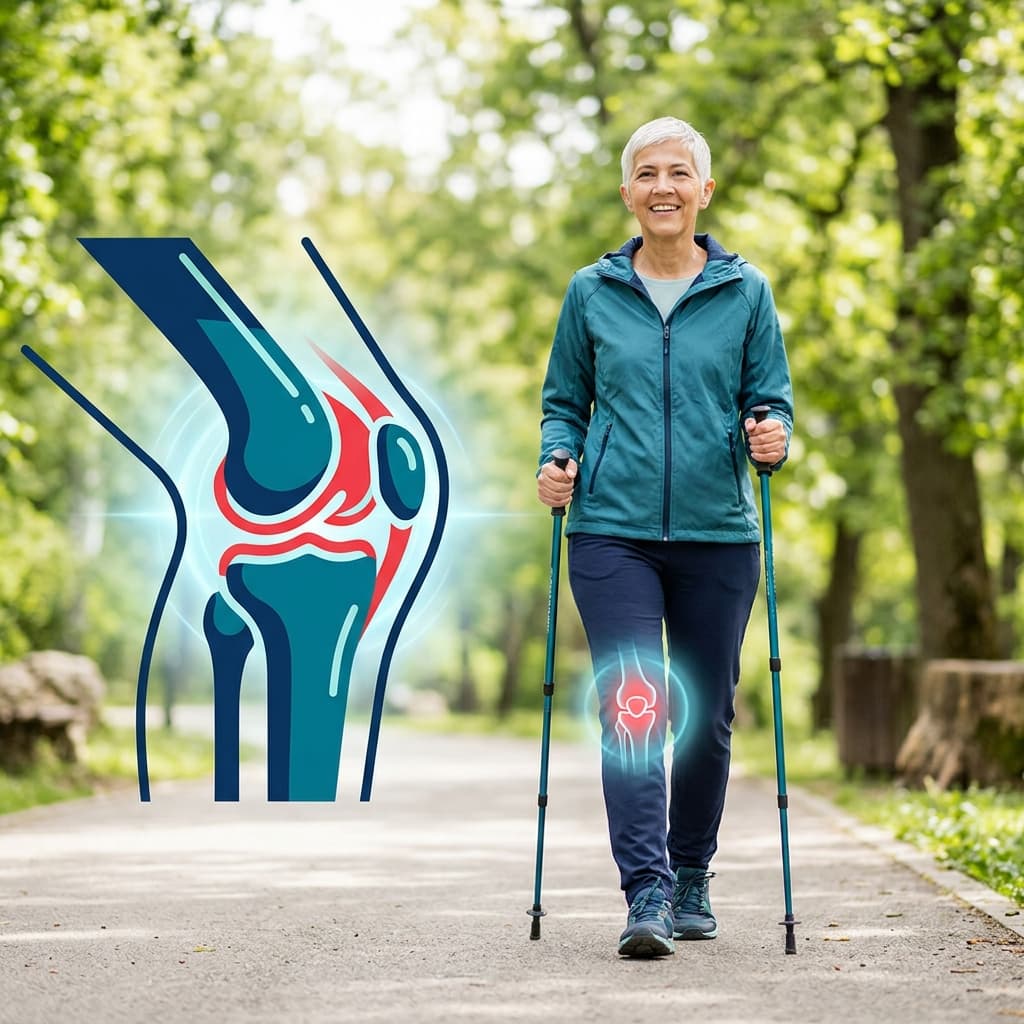
Exercise is one of the most powerful non-pharmacological interventions for bone health. Weight-bearing exercises — where your body works against gravity — stimulate osteoblasts to build new bone. Aim for 30 minutes of weight-bearing exercise most days. Effective options include brisk walking, jogging, stair climbing, dancing, and skipping. Resistance training (using dumbbells, resistance bands, or body weight) is equally important — target all major muscle groups 2–3 times per week. Yoga asanas like Virabhadrasana (Warrior Pose), Vrksasana (Tree Pose), and Trikonasana (Triangle Pose) improve balance and bone-loading.
2. Sun Exposure for Natural Vitamin D
Expose your arms, face, and legs to direct sunlight (not through glass) for 15–20 minutes between 10 AM and 2 PM, at least 3–4 times per week. Dark-skinned individuals may need longer exposure. Importantly, sunscreen with SPF 30+ blocks 95–99% of vitamin D synthesis, so plan dedicated unprotected sun time (brief, not enough to cause sunburn). After your vitamin D window, apply sunscreen for the rest of the day.
3. Fall-Prevention Strategies
Since osteoporotic fractures typically result from falls, preventing falls is as important as strengthening bones. Home safety measures: remove loose rugs and clutter from walkways, install grab bars in bathrooms and near toilets, ensure good lighting (especially nightlights), use non-slip mats in wet areas, and keep frequently used items within easy reach. Personal measures: wear sturdy, non-slip footwear (avoid chappals with smooth soles), get vision checked annually, review medications that cause dizziness with your doctor, and practice balance exercises daily.
4. Quit Smoking and Limit Alcohol
Smoking directly suppresses osteoblast function and accelerates oestrogen breakdown. Quitting smoking can begin to reverse its bone-damaging effects within 6–12 months. Limit alcohol to a maximum of 1 drink per day for women and 2 for men. Bidi, gutka, and paan with tobacco carry equivalent risks and should be completely avoided.
5. Maintain a Healthy Body Weight
Both extremes are harmful: being underweight (BMI < 19) means less bone mass and less cushioning during falls, while obesity (especially visceral fat) promotes chronic inflammation that accelerates bone resorption. Aim for a BMI of 20–25 through balanced nutrition and regular exercise. Crash diets and extreme calorie restriction are particularly dangerous for bone health.
When to See a Doctor: Don't Wait for a Fracture
Consult an orthopaedic specialist or your physician if:
- You are a postmenopausal woman and have never had a DEXA scan
- You have lost more than 2 cm in height from your tallest adult measurement
- You notice your upper back becoming increasingly rounded or hunched
- You have experienced a fracture from a minor fall or impact after age 40
- You have been taking corticosteroids (oral or injected) for more than 3 months
- You have chronic back pain that you've been attributing to 'age' or 'muscle strain'
- You have a strong family history of osteoporosis or hip fractures
- You have conditions linked to bone loss — thyroid disease, coeliac disease, rheumatoid arthritis, early menopause, kidney disease
- Your vitamin D or calcium levels have been reported as low in blood tests
Medical & Surgical Treatments for Osteoporosis
When lifestyle measures alone are insufficient, or when bone density has already fallen to osteoporotic levels, pharmacological treatment becomes essential. Modern osteoporosis medications are highly effective and can reduce fracture risk by 40–70%:
Anti-Resorptive Medications (Slow Bone Breakdown)
Medications that reduce the activity of bone-destroying osteoclasts:
Scroll table →| Medication | How It Works | Administration | Key Considerations | Approx. Cost in India |
|---|---|---|---|---|
| Alendronate (Fosamax) | Binds to bone surface and inhibits osteoclast-mediated bone resorption | 70 mg oral tablet once weekly — take on empty stomach with plain water, remain upright for 30 min | First-line therapy; proven to reduce spine, hip, and wrist fractures by 40–50% | ₹30–80/month |
| Risedronate (Actonel) | Similar mechanism to alendronate with rapid bone surface binding | 35 mg oral tablet once weekly or 150 mg once monthly | Slightly better GI tolerance than alendronate; equal efficacy for fracture prevention | ₹50–120/month |
| Zoledronic Acid (Aclasta) | Potent bisphosphonate administered as IV infusion | 5 mg IV infusion once yearly — takes 15 minutes | Ideal for patients who cannot tolerate oral bisphosphonates; excellent compliance; hydrate well before infusion | ₹3,000–8,000/year |
| Denosumab (Prolia) | Monoclonal antibody that blocks RANKL, preventing osteoclast formation | 60 mg subcutaneous injection every 6 months | Does not accumulate in bone; suitable for patients with kidney impairment (unlike bisphosphonates); must not be stopped abruptly — rapid bone loss and rebound fractures can occur | ₹6,000–12,000 per injection |
Anabolic Medications (Build New Bone)
Bone-building therapies reserved for severe osteoporosis or patients at very high fracture risk:
Scroll table →| Medication | How It Works | Administration | Key Considerations |
|---|---|---|---|
| Teriparatide (Forteo) | Recombinant parathyroid hormone fragment that stimulates osteoblasts to form new bone | 20 mcg subcutaneous injection daily for a maximum of 2 years | The only class that truly builds new bone — increases spine BMD by 9–13% in 18 months; must be followed by an anti-resorptive to maintain gains |
| Romosozumab (Evenity) | Anti-sclerostin antibody with dual action — increases bone formation AND decreases resorption simultaneously | 210 mg subcutaneous injection monthly for 12 months | Fastest BMD gains of any osteoporosis drug; must transition to bisphosphonate or denosumab after the 12-month course; contraindicated in patients with recent cardiovascular events |
IMPORTANT: Calcium (1,000–1,200 mg/day) and Vitamin D (800–1,000 IU/day minimum) supplementation must be continued alongside ANY osteoporosis medication. Think of calcium and vitamin D as the 'bricks and mortar' — medications work by directing where and how those bricks are used.
Prevention: 10 Actionable Habits to Build and Protect Your Bones
Start these bone-building habits today — regardless of your age:
- Eat calcium-rich foods daily — Target 1,000–1,200 mg through ragi, sesame seeds, paneer, dahi, milk, and green leafy vegetables. Space calcium intake across meals for better absorption (the body absorbs only ~500 mg at a time)
- Get your vitamin D tested and corrected — A simple blood test (25-OH Vitamin D) can identify deficiency. Supplement under medical guidance and get regular sun exposure
- Walk at least 7,000 steps daily — Weight-bearing activity is the single most effective non-drug intervention for bone health. Walking, jogging, dancing, and stair climbing all count
- Include resistance training 2–3 times per week — Lifting weights, using resistance bands, or performing bodyweight exercises (squats, push-ups, planks) stimulates bone formation at the loaded sites
- Practice balance exercises daily — Single-leg standing, heel-to-toe walking, and yoga improve proprioception and reduce fall risk by 30–40%
- Quit all tobacco products — Bidis, cigarettes, gutka, and paan all accelerate bone loss. Quitting at any age provides bone benefits
- Limit alcohol consumption — No more than 1 drink/day for women, 2 for men. Excessive alcohol directly suppresses bone formation and increases fall risk
- Limit caffeine and carbonated drinks — More than 3 cups of coffee or tea per day may increase calcium excretion. Cola beverages contain phosphoric acid, which may interfere with calcium balance
- Get a DEXA scan at the appropriate age — Don't wait for a fracture to discover your bone density. Early detection of osteopenia allows intervention before osteoporosis develops
- Review your medications with your doctor — If you take steroids, anti-seizure drugs, PPIs, or thyroid medication long-term, ask about bone-protective strategies
Special Considerations
Osteoporosis in Men
While osteoporosis is more common in women, it is not exclusively a women's disease. Approximately 11–15% of Indian men have osteoporosis, and men account for nearly 30% of all hip fractures globally. Testosterone decline in older men (andropause), chronic alcohol use, steroid use, and hypogonadism are key risk factors. Men who experience a fragility fracture after age 50 should be evaluated for osteoporosis — yet fewer than 20% actually are.
Pregnancy and Lactation
Pregnancy and breastfeeding temporarily draw calcium from maternal bones. While most women recover this bone loss within 6–12 months after weaning, women with multiple closely spaced pregnancies, prolonged lactation (> 12 months per child), or poor baseline calcium and vitamin D status may not fully recover and enter perimenopause with already compromised bone density. Ensuring adequate calcium (1,200 mg/day) and vitamin D throughout pregnancy, lactation, and inter-pregnancy intervals is critical.
Young Adults: Building Peak Bone Mass
Peak bone mass — the maximum bone density you'll ever have — is reached around age 25–30. After that, bone density can only be maintained or slowed in its decline. Young Indians (teens and 20s) who exercise regularly, consume calcium-rich foods, and maintain healthy vitamin D levels build a larger 'bone bank' — providing a greater buffer against future bone loss. Prevention truly starts in your teens, not at menopause.
Myths vs Facts: Debunking Common Osteoporosis Misconceptions
Separating truth from widespread myths:
Scroll table →| Myth | Fact |
|---|---|
| "Osteoporosis only affects old women" | While postmenopausal women are the highest-risk group, osteoporosis affects men, young adults, and even children. 11–15% of Indian men have osteoporosis, and peak bone mass is determined by age 30 — meaning prevention starts decades earlier. |
| "I drink milk every day, so my bones are fine" | Milk alone is insufficient. Without adequate vitamin D (which 70–90% of Indians lack), your body absorbs only 10–15% of the calcium in milk. You need both calcium AND vitamin D — plus weight-bearing exercise — for bone health. |
| "Osteoporosis causes pain — I'd know if I had it" | Osteoporosis itself is painless. You feel nothing until a fracture occurs. The only way to detect it before a fracture is a DEXA scan. This is why it's called the 'silent disease'. |
| "Calcium supplements are all you need" | Calcium supplements without vitamin D are poorly absorbed. High-dose supplements (> 1,500 mg/day) without medical supervision may even increase cardiovascular risk. Dietary calcium is always preferred, and supplementation should be guided by a doctor. |
| "Exercise is dangerous for people with osteoporosis" | The opposite is true! Weight-bearing and resistance exercises are among the most effective treatments. The key is choosing appropriate exercises: walking, light jogging, dancing, and supervised weight training are safe and beneficial. Only high-impact twisting movements should be avoided. |
| "Once you have osteoporosis, nothing can be done" | Modern medications can reduce fracture risk by 40–70% and even build new bone. Combined with lifestyle changes, many patients see significant improvement in bone density within 1–2 years of treatment. |
Dietary Do's and Don'ts for Bone Health
What to eat and what to avoid for stronger bones:
Scroll table →| ✅ Eat More (Do's) | ❌ Limit or Avoid (Don'ts) |
|---|---|
| Ragi (nachni) — porridge, roti, dosa | Excess salt (> 5g/day) — increases urinary calcium loss |
| Sesame seeds (til) — in chutney, laddoo, sprinkled on food | Excess caffeine (> 3 cups tea/coffee/day) — increases calcium excretion |
| Paneer, curd, buttermilk, milk | Carbonated colas — phosphoric acid may impair calcium balance |
| Small dried fish (nethili, anchovies) with bones | Excessive spinach alone (high oxalates bind calcium — pair with vitamin C to improve absorption) |
| Almonds, walnuts, dried figs (anjeer) | Alcohol — more than 1–2 drinks/day directly suppresses bone formation |
| Moringa (drumstick leaves), methi, sarson saag | Excessive wheat bran — phytates in large amounts reduce mineral absorption |
| Soy products — tofu, soy milk (calcium-fortified) | Crash diets and very low-calorie diets — deprive bones of essential nutrients |
| Fatty fish — salmon, sardines, mackerel (vitamin D + omega-3) | Red meat in excess — high animal protein without adequate calcium accelerates bone loss |
| Rajgira (amaranth) — chikki, porridge, rotis | Processed foods — high sodium and preservatives contribute to calcium wasting |
| Fruits — oranges, papaya, amla (vitamin C aids collagen formation in bone) | Tobacco in any form — bidis, cigarettes, gutka, paan |
Recovery After an Osteoporotic Fracture: What to Expect
Recovery timelines for the most common osteoporotic fractures:
- Vertebral compression fracture — Acute pain typically peaks in the first 1–2 weeks and gradually improves over 6–12 weeks with rest, pain management, and bracing. Some fractures cause chronic low-grade back pain. Vertebroplasty or kyphoplasty (cement injection) may be considered for severe, non-healing fractures
- Wrist fracture (Colles' fracture) — Cast immobilisation for 4–6 weeks, followed by physiotherapy for grip strength and range of motion. Most patients achieve good functional recovery within 3–4 months
- Hip fracture — This is the most serious osteoporotic fracture. Surgical fixation (screws, plates, or hip replacement) is usually required within 24–48 hours. Rehabilitation takes 3–6 months of intensive physiotherapy. Unfortunately, only 40% of hip fracture patients regain their pre-fracture level of independence. Early mobilisation (getting out of bed within 24 hours of surgery) is critical
- Post-fracture protocol — After ANY osteoporotic fracture, you should receive: (1) DEXA scan if not done already, (2) initiation of anti-osteoporosis medication, (3) calcium and vitamin D supplementation, (4) physiotherapy referral, and (5) fall-risk assessment. This is called a Fracture Liaison Service (FLS) approach
Sanjivani Hospital's Department of Orthopaedics offers comprehensive bone health services including DEXA bone density scanning, vitamin D and calcium blood testing, personalised osteoporosis treatment plans, physiotherapy for strength and balance, and post-fracture rehabilitation. If you or a family member are at risk, book a bone health consultation today. Call: 0250-2525252 or visit us in Virar.
The Bottom Line: Key Takeaways
Remember these essential points about osteoporosis:
- Osteoporosis is silent but devastating — 60 million Indians are affected, and most don't know until a fracture occurs. A DEXA scan is the only way to detect it early
- Vitamin D deficiency is the #1 correctable risk factor in India — Get tested, get supplemented, and get sun exposure. This single step can dramatically improve calcium absorption and bone health
- Diet matters enormously — Ragi, sesame seeds, paneer, curd, moringa, and dried fish are Indian superfoods for bones. Aim for 1,000–1,200 mg of calcium daily through food first
- Exercise builds bones at any age — Weight-bearing exercise and resistance training stimulate bone formation and reduce fracture risk. Even 30 minutes of brisk walking daily makes a measurable difference
- Modern treatments are highly effective — From affordable oral bisphosphonates (₹30/month) to bone-building injectable therapies, fracture risk can be reduced by 40–70%. No one should suffer fractures from untreated osteoporosis in 2026
- Prevention starts in your teens and twenties — Building peak bone mass early creates a lifelong buffer. But it's never too late to start — even patients in their 70s and 80s benefit from treatment and lifestyle changes