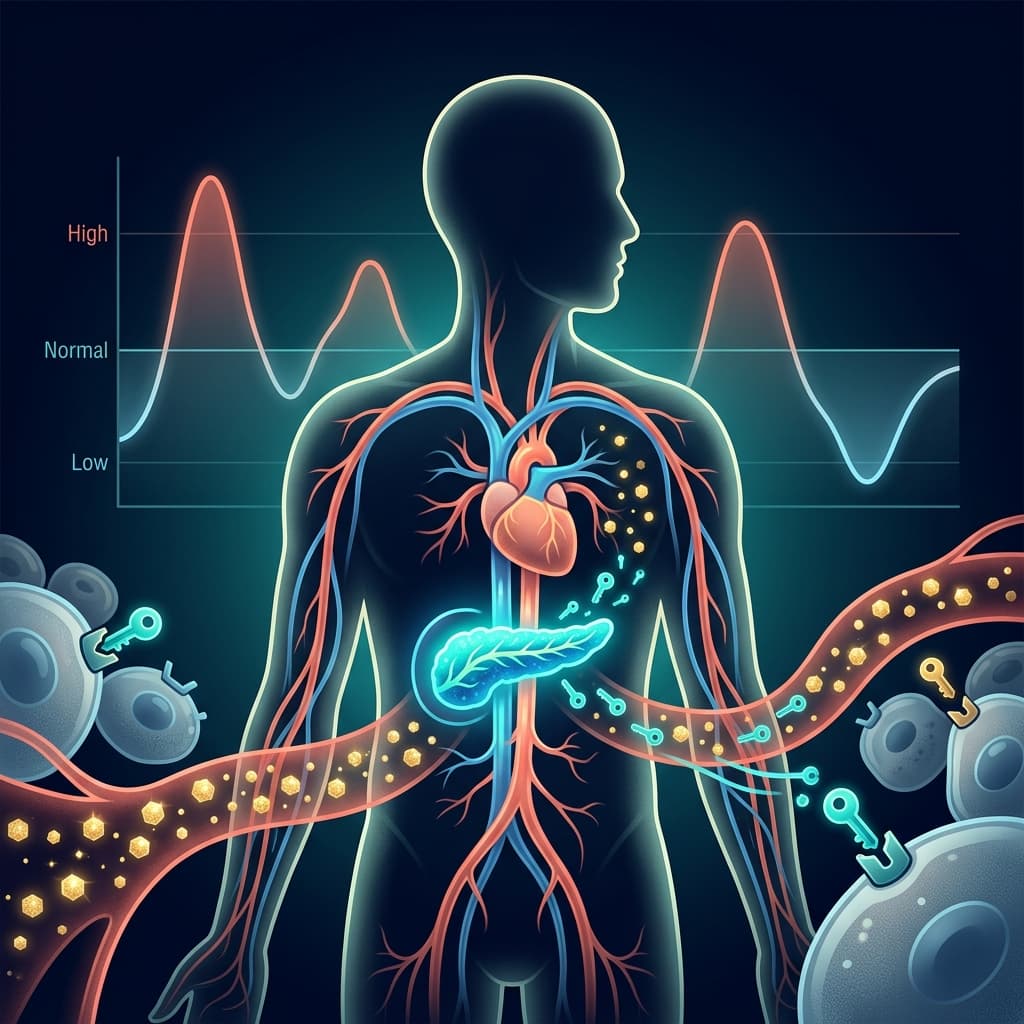
If you have been experiencing persistent bloating after meals, unexplained fatigue, mood swings, recurring skin breakouts, or irregular bowel habits — the root cause may not be where you think it is. Increasingly, medical research is pointing to a single, powerful factor that influences almost every system in your body: your gut microbiome.
The human gut harbours over 100 trillion microorganisms — bacteria, viruses, fungi, and other microbes — collectively weighing approximately 1.5–2 kilograms. This microscopic ecosystem, primarily concentrated in your large intestine (colon), is so influential that scientists now refer to it as the body's "second brain". It produces over 90% of the body's serotonin (the happiness hormone), houses 70% of your immune system, synthesises essential vitamins (B12, K, biotin), and directly communicates with your brain via the vagus nerve — a bi-directional information highway known as the gut-brain axis.
In India, the situation is particularly concerning. Rapid urbanisation, the shift from traditional fibre-rich diets to ultra-processed foods, overuse of antibiotics, rising stress levels, and sedentary lifestyles have created a perfect storm of gut dysbiosis (microbial imbalance). Studies estimate that 22–30% of urban Indians suffer from functional gastrointestinal disorders, and IBS alone affects 4–7% of the Indian population — with many cases going undiagnosed due to cultural stigma and normalisation of digestive discomfort. This comprehensive guide will help you understand your gut, recognise the warning signs, and take actionable, evidence-based steps to restore your digestive health.
What Is the Gut Microbiome?
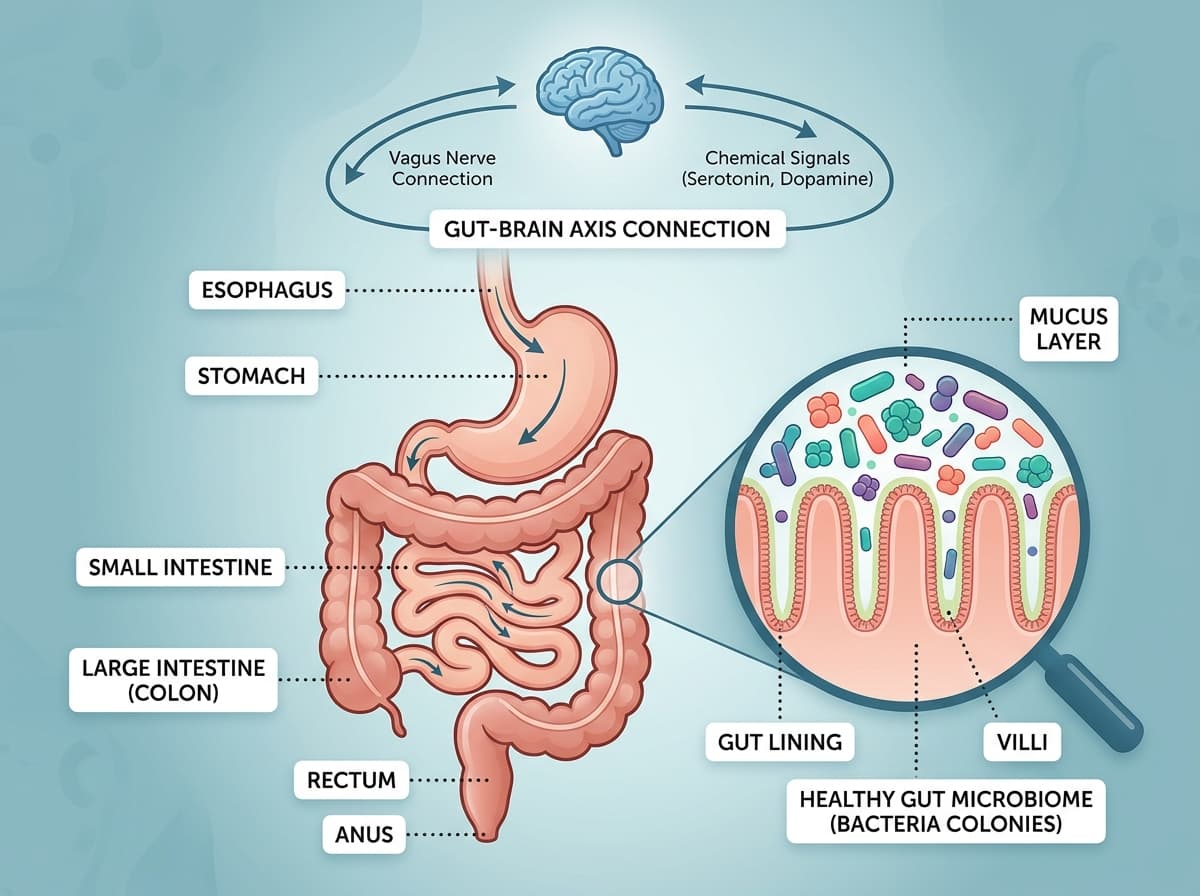
The gut microbiome refers to the entire community of microorganisms — including over 1,000 species of bacteria, along with viruses, fungi, and archaea — living inside your gastrointestinal tract. Think of it as a dense, complex rainforest inside your body. Just as a healthy rainforest depends on biodiversity, a healthy gut depends on having a diverse, balanced population of beneficial microbes.
Your microbiome is as unique as your fingerprint. It begins forming at birth — influenced by whether you were delivered vaginally or via C-section — and is further shaped by breastfeeding, childhood diet, antibiotic exposure, environment, and lifestyle. By adulthood, your gut contains a relatively stable (but modifiable) microbial community that performs critical functions including digesting dietary fibre into short-chain fatty acids (SCFAs), regulating immune responses, protecting against pathogens, metabolising medications, and even influencing gene expression.
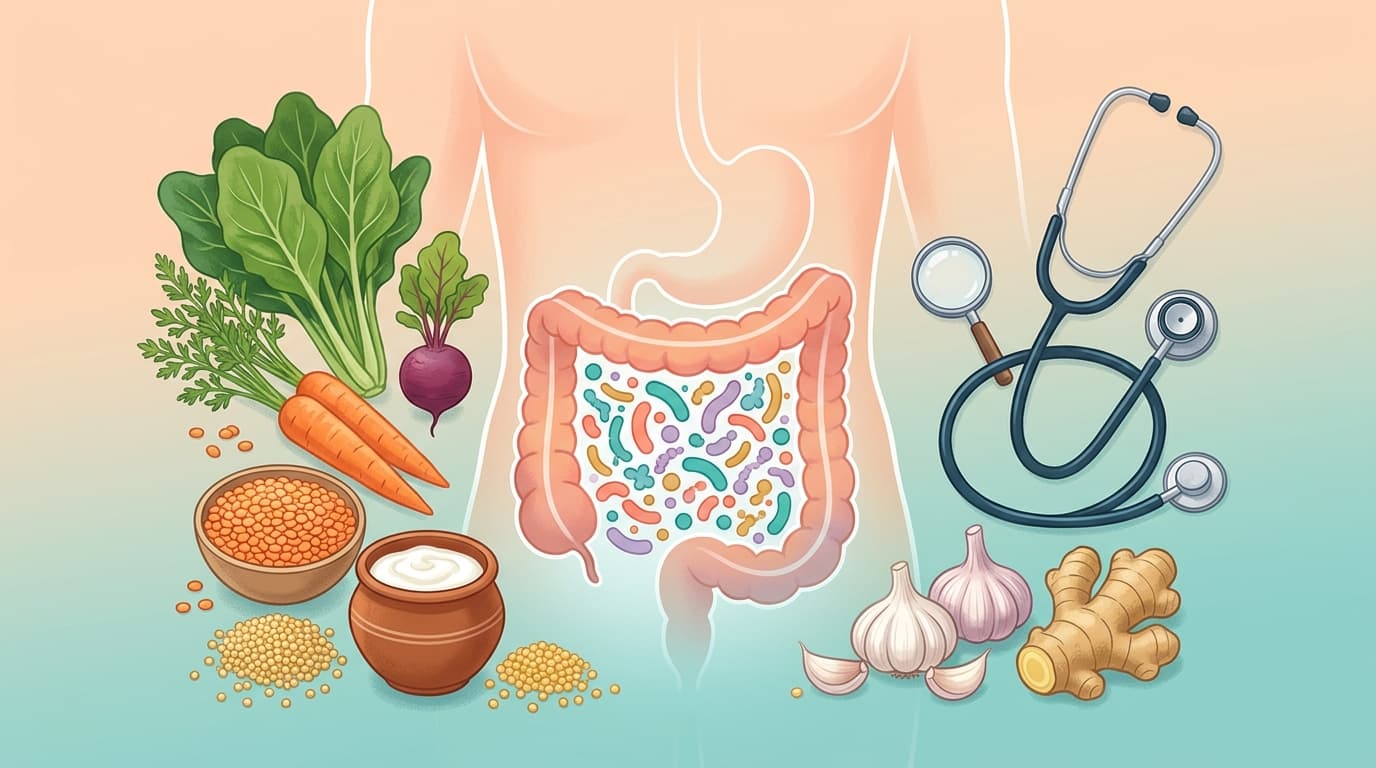
KEY INSIGHT — PREBIOTICS vs PROBIOTICS vs SYNBIOTICS: Prebiotics are non-digestible fibres that feed your good bacteria (garlic, onion, banana, oats). Probiotics are live beneficial bacteria found in fermented foods (dahi, idli, buttermilk). Synbiotics combine both — for example, eating curd (probiotic) with a banana (prebiotic) — for maximum benefit. All three are essential for a thriving microbiome.
The Gut-Brain Axis: Why Your Gut Is Called the 'Second Brain'
Your gut contains its own independent nervous system — the enteric nervous system (ENS) — comprising over 500 million neurons. This network, embedded in the walls of your gastrointestinal tract, can function independently of the brain and spinal cord. It communicates with the central nervous system primarily through the vagus nerve, the longest cranial nerve in the body.
This bi-directional communication pathway — the gut-brain axis — means that your gut health directly affects your mental health, and vice versa. Have you ever felt 'butterflies in your stomach' before an exam, or experienced an upset stomach during a stressful period at work? That is the gut-brain axis in action. Your gut microbes produce neurotransmitters including serotonin (95% of total body serotonin), dopamine, GABA, and norepinephrine — the same chemicals that regulate your mood, sleep, appetite, and cognitive function.
Clinical studies have demonstrated that people with chronic gut conditions like IBS have significantly higher rates of anxiety and depression, and conversely, people with mental health disorders frequently experience digestive symptoms. This is why modern gastroenterology increasingly takes a holistic, mind-gut approach to treatment.
9 Warning Signs of an Unhealthy Gut
Gut dysbiosis (an imbalanced microbiome) doesn't always present as obvious stomach problems. Many symptoms appear in seemingly unrelated parts of the body. Here are the 9 key warning signs that your gut health may need attention:
Watch for these signs of poor gut health:
- Chronic bloating and gas — Persistent abdominal distension, excessive flatulence, or a feeling of fullness after eating small amounts. This often indicates bacterial overgrowth, fermentation of undigested carbohydrates, or food intolerances
- Irregular bowel movements — Chronic constipation (fewer than 3 bowel movements per week), chronic diarrhoea, or alternating between the two. Healthy gut transit results in 1–2 well-formed, easy-to-pass stools daily
- Unexplained fatigue and brain fog — Persistent tiredness that does not improve with sleep, difficulty concentrating, and mental haziness. A depleted microbiome impairs nutrient absorption (especially iron, B12, and magnesium) and disrupts serotonin production
- Frequent skin breakouts — Acne, eczema, rosacea, or psoriasis flare-ups. Gut inflammation drives systemic inflammation, which manifests visibly on the skin — a concept known as the 'gut-skin axis'
- Food intolerances and sensitivities — New or worsening difficulty digesting foods you previously tolerated, such as dairy (lactose), wheat, or certain vegetables. This can indicate a compromised gut lining ('leaky gut')
- Unintentional weight changes — Unexpected weight gain or loss without changes in diet or exercise. An imbalanced microbiome affects insulin sensitivity, fat storage, nutrient absorption, and hunger-regulating hormones (ghrelin and leptin)
- Frequent colds and infections — Getting sick more often than usual. Since approximately 70% of your immune system resides in the gut (as gut-associated lymphoid tissue — GALT), a damaged microbiome directly weakens immune defences
- Mood disturbances and poor sleep — Increased anxiety, irritability, low mood, or insomnia. With 90–95% of serotonin produced in the gut, dysbiosis can significantly disrupt emotional regulation and circadian sleep rhythms
- Sugar cravings — Intense, persistent cravings for sweets and refined carbohydrates. Certain harmful gut bacteria thrive on sugar and actively send chemical signals to your brain demanding more of it — creating a vicious cycle that further depletes beneficial microbes
RED FLAG SYMPTOMS — SEE A DOCTOR IMMEDIATELY: If you experience any of the following alongside digestive issues, seek urgent medical evaluation: blood in your stool (red or black/tarry stools), unexplained weight loss exceeding 5 kg in a month, severe abdominal pain that wakes you from sleep, progressive difficulty swallowing, persistent vomiting, or symptoms of anaemia (extreme pallor, breathlessness, rapid heartbeat). These may indicate conditions like inflammatory bowel disease (IBD), coeliac disease, or gastrointestinal malignancy that require prompt diagnosis.
Causes and Risk Factors for Poor Gut Health
Understanding what damages your microbiome is the first step toward restoring it. The following factors are the most common contributors to gut dysbiosis in the Indian context:
Major causes of gut microbiome imbalance:
- Ultra-processed food diet — Maida (refined flour)-based foods, packaged snacks, instant noodles, sugary beverages, and fast food starve beneficial bacteria while feeding harmful ones. Studies show that just 2 weeks of a processed food diet can measurably reduce microbial diversity
- Low dietary fibre intake — The average urban Indian consumes only 12–15 grams of fibre daily, far below the recommended 25–38 grams. Fibre is the primary fuel for beneficial gut bacteria; without it, they cannot produce protective short-chain fatty acids (SCFAs)
- Overuse and misuse of antibiotics — India is one of the world's highest consumers of antibiotics. A single course of broad-spectrum antibiotics can reduce gut microbial diversity by 30–50%, and full recovery can take 6–12 months. Self-medication with antibiotics for common colds and viral infections is a major contributor
- Chronic psychological stress — The gut-brain axis means that sustained mental stress directly alters gut motility, increases intestinal permeability ('leaky gut'), and shifts the microbial balance toward inflammatory species. Corporate work pressure, academic stress, and erratic work schedules are significant factors in urban India
- Sedentary lifestyle — Physical inactivity reduces gut motility and is associated with lower microbial diversity. Studies show that regular moderate exercise (30 minutes, 5 days a week) significantly increases beneficial Bifidobacterium and Lactobacillus populations
- Chronic sleep deprivation — Sleeping fewer than 6–7 hours consistently disrupts circadian rhythms, which in turn alters the composition of the gut microbiome. Night shift workers and those with irregular sleep patterns are particularly vulnerable
- Excessive alcohol consumption — Alcohol damages the intestinal lining, increases gut permeability, and promotes the growth of pathogenic bacteria while killing beneficial ones
- Frequent use of PPIs and NSAIDs — Proton pump inhibitors (pantoprazole, omeprazole) — commonly self-prescribed for acidity — and painkillers like ibuprofen and diclofenac alter gastric pH and directly damage the gut lining when used long-term
- Inadequate water intake — Dehydration slows digestive transit, concentrates bile acids, and creates an unfavourable environment for beneficial bacteria. Most adults need 2.5–3.5 litres of water daily, adjusted for climate and activity
- Late-night and irregular eating patterns — Eating heavy meals late at night disrupts the gut's circadian clock. The gut microbiome has its own daily rhythm, and irregular meal timing reduces the production of protective SCFAs
The Indian Gut Microbiome: What Makes It Unique
Recent pan-India microbiome mapping studies (including landmark research by BRIC-NCCS Pune and Stanford University) have revealed that the Indian gut microbiome is remarkably diverse and fundamentally different from Western microbiomes. There is no single 'Indian gut' — it varies dramatically by region, cultural dietary practices, and environment.
Regional Variations in the Indian Gut Microbiome
Scroll table →| Region / Diet Pattern | Dominant Bacteria | Key Dietary Influence | Health Implication |
|---|---|---|---|
| Central & Southern India (high plant-based diet) | Prevotella copri | Complex carbohydrates, lentils, millets, vegetables | Higher SCFA production, lower systemic inflammation |
| Coastal & Eastern India (mixed diet) | Bacteroides, Ruminococcus | Fish, rice, dairy, oils | Adapted to protein-fat digestion, moderate diversity |
| Urban metros (westernised diet) | Reduced overall diversity | Ultra-processed foods, refined sugars, low fibre | Higher risk of IBS, metabolic syndrome, obesity |
| Rural traditional diet | Highly diverse, Firmicutes-rich | Seasonal vegetables, homemade fermented foods, whole grains | Strong immune regulation, low inflammatory markers |
| Trans-Himalayan tribal communities | Unique Bifidobacterium strains | Barley, butter, milk-based diet | Locally adapted microbes; Western probiotics may not colonise effectively |
IMPORTANT RESEARCH FINDING: Studies show that Western-derived commercial probiotics may not colonise the Indian gut as effectively as locally adapted strains. This is why traditional Indian fermented foods — dahi, chaas, idli, dosa batter, kanji, and naturally fermented pickles — are often more beneficial for Indian populations than imported probiotic supplements.
Indian Superfoods for Gut Health: Prebiotics, Probiotics & Synbiotics
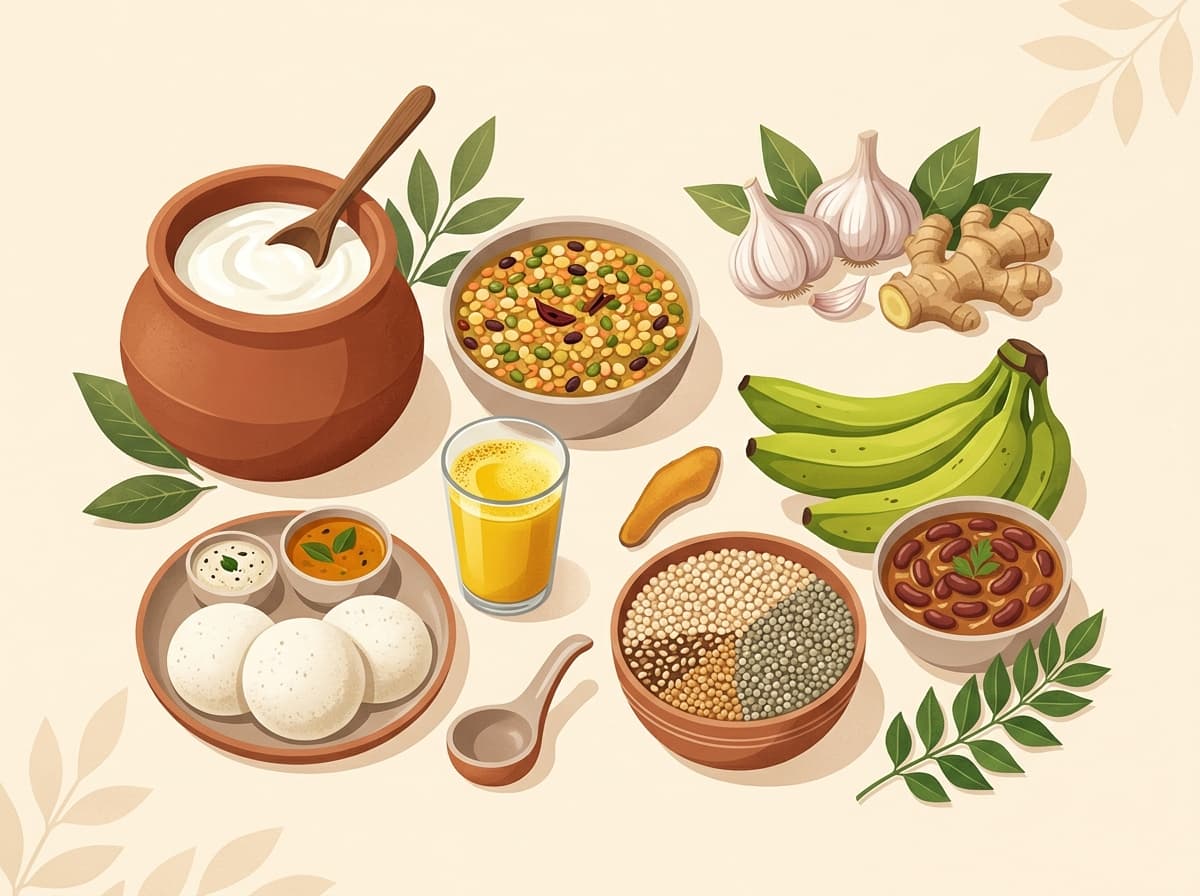
The Indian kitchen is inherently designed for gut health — provided you eat the right traditional foods. Here is a comprehensive guide to the best Indian prebiotic, probiotic, and synbiotic foods:
Top Indian Prebiotic Foods (Feed Your Good Bacteria)
Best Indian Prebiotic Foods
Scroll table →| Food | Key Prebiotic Compound | How to Include | Daily Target |
|---|---|---|---|
| Garlic (lehsun) | Fructo-oligosaccharides (FOS) | Add 2–3 raw or lightly cooked cloves to sabzi, dal, or chutney | 2–3 cloves |
| Onion (pyaz) | Inulin, FOS | Use as base for curries; eat raw in salads with lemon | 1 medium onion |
| Banana (kela) — especially raw | Resistant starch, FOS | Eat slightly unripe bananas; use raw banana in sabzi | 1–2 daily |
| Oats (jaee) | Beta-glucan | Overnight oats with curd, or oats upma/chilla | 30–40 grams |
| Chickpeas (chana) & rajma | Galacto-oligosaccharides (GOS) | Chana chaat, rajma chawal, sprouts | 1 cup cooked, 3–4 times/week |
| Millets (jowar, bajra, ragi) | Resistant starch, arabinoxylan | Roti, porridge, or dosa from millet flour | Replace 50% of wheat/rice |
| Flaxseeds (alsi) | Mucilage fibre | Grind and add to raita, smoothies, or rotis | 1 tablespoon |
| Asparagus (shatavari) | Inulin | Stir-fried or in soups | 3–4 times/week |
Top Indian Probiotic Foods (Add Live Beneficial Bacteria)
Best Indian Probiotic Foods
Scroll table →| Food | Key Probiotic Strains | How to Include | Daily Target |
|---|---|---|---|
| Homemade dahi (curd) | Lactobacillus bulgaricus, Streptococcus thermophilus | Have 1 bowl with lunch; use as raita or lassi | 200–300 ml daily |
| Chaas / buttermilk | Lactobacillus, Leuconostoc | Drink with lunch; add jeera, pudina, salt | 1–2 glasses daily |
| Idli & dosa batter | Leuconostoc mesenteroides, Lactobacillus | Regular breakfast rotation; use naturally fermented batter (not instant mix) | 3–4 times/week |
| Kanji (fermented carrot/beetroot drink) | Lactobacillus, wild yeasts | Ferment at home for 3–5 days; drink 100–150 ml | Daily during winter |
| Traditional pickles (aachar) | Diverse Lactobacillus strains | Use salt-fermented, oil-cured varieties (not vinegar-based commercial ones) | 1–2 tablespoons |
| Dhokla (fermented chickpea batter) | Leuconostoc, Lactobacillus | As snack or breakfast | 2–3 times/week |
| Ambali (fermented ragi porridge) | Lactobacillus, Pediococcus | Traditional South Indian breakfast; cook ragi, cool, ferment with buttermilk overnight | 3–4 times/week |
PRO TIP — THE SYNBIOTIC MEAL: For maximum gut benefit, combine prebiotics and probiotics in the same meal. Examples: Dahi + banana (probiotic + prebiotic), Chaas + oats upma (probiotic + prebiotic fibre), Curd rice + raw onion raita (synbiotic combination). These pairings ensure that the beneficial bacteria you consume have the fuel they need to thrive.
Dietary Fibre: The Most Important Nutrient You're Not Getting Enough Of
Dietary fibre is the single most important factor in maintaining a healthy gut microbiome. Fibre acts as a prebiotic — it cannot be digested by human enzymes but is fermented by beneficial gut bacteria in the colon, producing short-chain fatty acids (SCFAs) like butyrate, acetate, and propionate. These SCFAs are profoundly important: they nourish the cells lining your colon, reduce inflammation, regulate blood sugar, lower cholesterol, and even influence brain function.
The recommended daily fibre intake for adults is 25 grams for women and 38 grams for men (ICMR guidelines suggest 40 grams). However, the average urban Indian consumes a mere 12–15 grams per day — less than half the minimum requirement. This fibre deficit is one of the primary drivers behind India's rising rates of IBS, constipation, type 2 diabetes, obesity, and colorectal conditions.
Fibre Content of Common Indian Foods
Scroll table →| Food Item | Serving Size | Fibre Content (grams) | Type of Fibre |
|---|---|---|---|
| Rajma (kidney beans) | 1 cup cooked | 11.3 g | Soluble + Insoluble |
| Chana (chickpeas) | 1 cup cooked | 12.5 g | Soluble + Insoluble |
| Moong dal (green gram) | 1 cup cooked | 7.6 g | Soluble |
| Ragi (finger millet) flour | 100 grams | 11.5 g | Insoluble + Resistant starch |
| Bajra (pearl millet) flour | 100 grams | 11.3 g | Insoluble |
| Jowar (sorghum) flour | 100 grams | 10.2 g | Insoluble + Resistant starch |
| Guava (amrood) | 1 medium fruit | 5.4 g | Soluble + Insoluble |
| Pear (nashpati) | 1 medium fruit | 5.5 g | Soluble (pectin) |
| Apple with skin (seb) | 1 medium fruit | 4.4 g | Soluble (pectin) |
| Palak (spinach), cooked | 1 cup | 4.3 g | Insoluble |
| Sweet potato (shakarkand) | 1 medium | 3.8 g | Soluble + Resistant starch |
| Whole wheat atta roti | 1 roti (30g flour) | 3.5 g | Insoluble |
| Brown rice | 1 cup cooked | 3.5 g | Insoluble |
| Flaxseeds (alsi) | 1 tablespoon | 2.8 g | Soluble (mucilage) |
| Isabgol (psyllium husk) | 1 tablespoon | 5.0 g | Soluble |
Home Remedies and Self-Care for Better Gut Health
Before reaching for supplements or medications, consider these evidence-backed home remedies and lifestyle modifications that can significantly improve your gut health:
1. The 30-Plant Challenge (Weekly)
Research published in the American Gut Project found that people who eat 30 or more different plant foods per week have significantly more diverse gut microbiomes than those who eat fewer than 10. This includes all vegetables, fruits, whole grains, legumes, nuts, seeds, herbs, and spices. In a typical Indian household, this is very achievable — a single dal-sabzi-roti meal can contain 8–10 plant ingredients when you count the spices.
2. Morning Warm Water + Ajwain/Jeera
Start your day with a glass of warm water infused with ajwain (carom seeds) or jeera (cumin seeds). Boil 1 teaspoon in 250 ml of water for 5 minutes, strain, and drink on an empty stomach. Ajwain contains thymol, a compound with antimicrobial and carminative properties that reduces bloating, gas, and indigestion. Cumin stimulates digestive enzyme secretion and bile production.
3. Daily Dahi or Chaas (Non-Negotiable)
Make homemade dahi (curd) a daily staple. It is one of the most effective and affordable sources of live probiotics available in India. Have 200–300 ml daily — as plain dahi, chaas (buttermilk with jeera and rock salt), raita, or lassi. Critically, use homemade dahi made from fresh whole milk rather than commercial flavoured yogurts, which often contain added sugar and have reduced live culture counts.
4. Triphala — The Ayurvedic Gut Tonic
Triphala (a blend of three fruits: amla, haritaki, and bibhitaki) has been used in Ayurveda for millennia as a digestive tonic. Modern research supports its role as a gentle bowel regulator, prebiotic, and anti-inflammatory agent. Mix ½ teaspoon of triphala powder in warm water and drink before bedtime. It promotes regular bowel movements without the harsh effects of chemical laxatives and encourages the growth of beneficial Bifidobacterium and Lactobacillus species.
5. The Resistant Starch Hack (Cooked-and-Cooled Rice/Potatoes)
When you cook rice or potatoes and then cool them in the refrigerator for 12–24 hours, a portion of the starch converts into resistant starch — a type of fibre that your body cannot digest but your gut bacteria can ferment into beneficial SCFAs (especially butyrate). Studies show that resistant starch from cooled rice can reduce the glycaemic index by 20–30% while feeding beneficial colon bacteria. Simply cook your rice, refrigerate it, and reheat it the next day.
6. Stress Management: Pranayama and Yoga
Given the strong gut-brain axis connection, stress management is not optional — it is a core component of gut health. Pranayama (deep breathing exercises), particularly Anulom Vilom (alternate nostril breathing) and Bhramari (bee breathing), directly stimulate the vagus nerve, activating the parasympathetic 'rest-and-digest' response. Practice for 10–15 minutes daily. Yoga asanas that specifically benefit digestion include Pavanamuktasana (wind-relieving pose), Vajrasana (thunderbolt pose — sit in this after meals), and Ardha Matsyendrasana (seated spinal twist).
7. Haldi Doodh (Golden Milk) Before Bed
Turmeric milk (haldi doodh) is more than a traditional remedy — it is a scientifically validated anti-inflammatory preparation. Curcumin, the active compound in turmeric, modulates gut inflammation, supports the intestinal barrier, and has been shown to promote the growth of beneficial bacteria. Warm 200 ml of milk with ½ teaspoon of turmeric, a pinch of black pepper (piperine — which increases curcumin absorption by 2000%), and a small piece of crushed ginger. Drink 30 minutes before sleep.
PRO TIP — THE 4-WEEK GUT RESET: For a structured gut restoration, follow this phased approach: Week 1 — Remove ultra-processed foods, refined sugar, and maida completely. Week 2 — Add 1 serving of fermented food daily (dahi, chaas, idli). Week 3 — Increase fibre gradually to 30+ grams daily using dals, millets, and vegetables. Week 4 — Introduce stress management (10 min pranayama daily) and aim for 7+ hours of sleep. Most people report significant improvement in bloating, energy, and bowel regularity within 4 weeks.
When to See a Gastroenterologist
While mild digestive issues often respond well to dietary and lifestyle changes, certain symptoms warrant a professional evaluation by a gastroenterologist. Do not delay seeking medical advice if you experience:
See a doctor if you experience:
- Persistent symptoms lasting more than 4 weeks despite dietary improvements — bloating, pain, or altered bowel habits that do not improve with home care
- Blood in your stool — whether bright red (rectal bleeding) or dark/tarry (upper GI bleeding). Any unexplained rectal bleeding must be investigated
- Unintentional weight loss exceeding 3–5 kg without changes in diet or activity
- Severe, worsening abdominal pain — especially if it wakes you from sleep, is localised to one area, or is associated with fever
- Progressive difficulty swallowing (dysphagia) or feeling like food is getting stuck
- Persistent nausea or vomiting lasting more than 48 hours
- Family history of colorectal cancer, IBD, or coeliac disease — screening should begin 10 years earlier than the affected family member's age of diagnosis
- Symptoms of anaemia alongside digestive issues — pallor, breathlessness, fatigue, and palpitations may indicate chronic intestinal blood loss or malabsorption
Medical Diagnosis and Treatment Options
A gastroenterologist has several diagnostic tools and evidence-based treatments available to identify and address gut health issues. Here is what you can expect:
Diagnostic Tests
Common Diagnostic Tests for Gut Health
Scroll table →| Test | What It Detects | When It's Recommended | Procedure |
|---|---|---|---|
| Stool analysis (routine & culture) | Pathogens, parasites, occult blood, inflammation markers (calprotectin) | Chronic diarrhoea, suspected infection, unexplained symptoms | Non-invasive; home collection |
| Hydrogen breath test | SIBO (Small Intestinal Bacterial Overgrowth), lactose/fructose intolerance | Persistent bloating, gas, and diarrhoea despite dietary changes | Non-invasive; blow into a device after drinking a sugar solution |
| Upper GI endoscopy | Ulcers, gastritis, coeliac disease, H. pylori infection | Persistent upper abdominal pain, difficulty swallowing, chronic acid reflux | Minimally invasive; camera on flexible tube, usually under light sedation |
| Colonoscopy | Polyps, IBD (Crohn's, ulcerative colitis), colorectal cancer, structural issues | Rectal bleeding, significant weight loss, age 45+ screening, family history | Requires bowel preparation; performed under sedation |
| Food sensitivity / allergy panel | IgE-mediated allergies, food sensitivities | Suspected food-triggered symptoms | Blood test or skin prick test |
| Gut microbiome analysis | Microbial diversity, dysbiosis patterns, SCFA production capacity | Research-guided; increasingly available in India's metro cities | Stool sample sent to specialised lab |
Medical Treatments
Evidence-Based Medical Treatments for Gut Disorders
Scroll table →| Treatment | How It Works | Best For | Duration |
|---|---|---|---|
| Rifaximin (non-absorbable antibiotic) | Targets bacterial overgrowth in the small intestine without disrupting the colon microbiome | SIBO, IBS-D (diarrhoea-predominant IBS) | 14-day course; may be repeated |
| Probiotics (strain-specific, medical grade) | Restores specific depleted bacterial populations | Post-antibiotic recovery, IBS, traveller's diarrhoea | 4–12 weeks |
| Antispasmodics (mebeverine, dicyclomine) | Relaxes intestinal smooth muscle to relieve cramping and pain | IBS-related abdominal pain and spasms | As needed or short courses |
| PPIs / H2 blockers (short-term) | Reduces gastric acid for mucosal healing | Gastritis, peptic ulcers, GERD | 4–8 weeks; avoid long-term use without supervision |
| Low-FODMAP diet (dietitian-guided) | Eliminates fermentable carbohydrates that trigger symptoms, then systematically reintroduces them | IBS with identified food triggers | 6–8 week elimination + reintroduction phase |
| Cognitive Behavioural Therapy (gut-directed CBT) | Addresses the psychological component of functional gut disorders via the gut-brain axis | IBS with anxiety/stress component | 8–12 weekly sessions |
Prevention: 10 Daily Habits for a Healthy Gut
Build these habits into your daily routine:
- Eat 30+ different plant foods weekly — Diversity of plants equals diversity of microbes. Count vegetables, fruits, grains, legumes, nuts, seeds, herbs, and spices separately
- Consume 25–38 grams of fibre daily — Gradually increase fibre using dals, millets (ragi, jowar, bajra), whole vegetables, and fruits with skin. Increase slowly to avoid initial bloating
- Include at least 1 fermented food daily — Rotate between dahi, chaas, idli, dosa, kanji, and dhokla. Homemade fermented foods are superior to commercial versions
- Drink 2.5–3.5 litres of water daily — Adequate hydration supports gut motility, mucus production, and creates a favourable environment for beneficial bacteria
- Exercise for 30 minutes, 5 days a week — Even brisk walking significantly improves gut motility and microbial diversity. Aim for a mix of cardio, strength training, and yoga
- Sleep 7–8 hours consistently — Maintain a regular sleep-wake schedule. Avoid screens 1 hour before bed, as blue light disrupts melatonin production, which affects gut rhythms
- Eat meals at consistent times — Your gut microbiome operates on a circadian clock. Regular meal timing optimises digestive enzyme production and microbial metabolic activity
- Minimise unnecessary antibiotics — Never self-medicate with antibiotics for viral infections (cold, flu, COVID). If prescribed antibiotics, take a course of probiotics concurrently and for 4 weeks after
- Manage stress actively — Practice pranayama, meditation, or guided relaxation for 10–15 minutes daily. Consider journaling, nature walks, or professional counselling for chronic stress
- Chew food thoroughly — Aim for 20–30 chews per bite. Mechanical digestion in the mouth reduces the burden on your gut and improves nutrient absorption. Eat without screens for mindful eating
Myths vs Facts About Gut Health
Common Myths About Gut Health Debunked
Scroll table →| Myth | Fact |
|---|---|
| "Probiotic supplements are better than food sources" | Evidence shows that natural fermented foods (dahi, chaas, idli) provide more diverse and locally adapted strains than most commercial supplements. Supplements have a role in specific clinical scenarios but are not superior for general gut maintenance. |
| "Curd should not be eaten at night" | There is no scientific evidence that curd causes cold, cough, or mucus at night. Room-temperature dahi at dinner is perfectly healthy. Ayurveda recommends avoiding cold dahi late at night, but warm chaas or raita are fine. |
| "Detox juices and cleanses reset your gut" | There is zero scientific evidence that juice cleanses or detox diets 'reset' the microbiome. In fact, they often lack fibre and protein, depriving gut bacteria of essential fuel. Sustained dietary change is the only evidence-based approach. |
| "All bacteria in the gut are harmful" | Less than 1% of gut bacteria are potentially pathogenic. The vast majority (99%+) are either beneficial or neutral. A healthy gut has a BALANCE of diverse species, not an absence of bacteria. |
| "Bloating is normal after every meal" | Occasional mild bloating can occur, but persistent, significant bloating after every meal is NOT normal. It may indicate SIBO, food intolerances, enzyme deficiencies, or IBS, and should be evaluated. |
| "You need expensive foreign superfoods for gut health" | Indian staples — dal, dahi, millets, sabzi, ajwain, haldi, jeera, lehsun — are among the world's best gut-health foods. No imported acai bowls or kombucha needed. Your grandmother's kitchen had it right. |
Dietary Do's and Don'ts for Gut Health
Gut-Friendly vs Gut-Damaging Foods
Scroll table →| ✅ Do Eat (Gut-Friendly) | ❌ Avoid or Minimise (Gut-Damaging) |
|---|---|
| Homemade dahi, chaas, lassi (live cultures) | Flavoured/sweetened commercial yogurts (low live cultures, high sugar) |
| Dal, rajma, chana, moong — all legumes daily | Maida (refined flour) — naan, pizza base, packaged biscuits, instant noodles |
| Millets — ragi, jowar, bajra rotis and porridge | White bread, white rice (in excess), refined cereals |
| Seasonal vegetables — palak, lauki, karela, bhindi | Deep-fried foods — samosa, pakora, vada (occasional is fine) |
| Fruits with skin — guava, apple, pear, papaya | Carbonated soft drinks and packaged fruit juices |
| Ajwain, jeera, saunf, haldi, adrak — digestive spices | Excessive caffeine (more than 2–3 cups of tea/coffee daily) |
| Coconut water, nimbu pani, plain chaas | Alcohol — especially spirits and beer in excess |
| Nuts and seeds — almonds, walnuts, flaxseed | Artificial sweeteners (sucralose, aspartame) — they harm gut bacteria |
| Cooked-and-cooled rice/potatoes (resistant starch) | Highly spicy food in excess (if you already have gut inflammation) |
Special Considerations
Gut Health During Pregnancy
Pregnancy significantly alters the gut microbiome — the microbial composition naturally shifts to support the growing foetus and prepare for breastfeeding. However, common pregnancy issues like constipation (due to progesterone), heartburn, and nausea can be managed through gut-friendly strategies: increase fibre gradually (isabgol is safe during pregnancy), stay well-hydrated, eat smaller frequent meals, include dahi daily (the probiotics also reduce the risk of gestational diabetes), and avoid unnecessary antibiotics. Always consult your obstetrician before starting any new supplement.
Gut Health for Children
A child's microbiome is still developing until approximately age 3–5. Key strategies for healthy gut development: breastfeed exclusively for 6 months (breast milk contains prebiotics and immune factors), introduce a diverse range of solid foods from 6 months, limit antibiotic use to genuinely necessary situations, encourage outdoor play (exposure to environmental microbes trains the immune system), and include age-appropriate fermented foods like diluted chaas or dahi in their diet.
Gut Health for Diabetes Patients
The gut microbiome and blood sugar regulation are deeply interconnected. People with type 2 diabetes often show reduced microbial diversity and lower levels of butyrate-producing bacteria. Gut-friendly strategies for diabetics: focus on low-glycaemic, high-fibre foods (millets over refined wheat, whole fruits over juice), use the resistant starch hack (cooked-and-cooled rice), include methi (fenugreek) seeds soaked overnight (both prebiotic and blood-sugar-lowering), and take prescribed probiotics as recommended by your doctor.
Sample One-Day Gut-Healthy Indian Meal Plan
Sample Daily Gut-Healthy Indian Meal Plan
Scroll table →| Meal | What to Eat | Gut Health Benefit |
|---|---|---|
| Early morning (6:30 AM) | Warm water with ajwain or jeera (1 tsp boiled in 250 ml water) | Stimulates digestive enzymes, reduces bloating |
| Breakfast (8:00 AM) | 2 idli + coconut chutney + 1 glass warm turmeric milk OR Ragi porridge with jaggery + 1 banana | Fermented food (probiotic) + prebiotic fibre |
| Mid-morning snack (10:30 AM) | 1 guava or apple (with skin) + 5–6 soaked almonds | Soluble fibre (pectin) + healthy fats |
| Lunch (1:00 PM) | 2 bajra/jowar rotis + moong dal + seasonal sabzi (lauki/palak) + 1 bowl homemade dahi + raw onion-cucumber salad | Millet fibre + legume prebiotic + probiotic dahi + diverse plant foods |
| Afternoon snack (4:00 PM) | 1 glass chaas (buttermilk) with jeera + roasted chana | Probiotic + prebiotic + protein |
| Dinner (7:30 PM) | 1 bowl cooked-and-cooled rice + rajma curry + palak sabzi + small raita | Resistant starch + legume fibre + probiotics |
| Before bed (9:30 PM) | Triphala powder (½ tsp) in warm water OR haldi doodh (golden milk) | Gentle bowel regulation + anti-inflammatory |
🏥 EXPERT CARE AT SANJIVANI HOSPITAL: If you are struggling with persistent digestive issues — chronic bloating, IBS symptoms, unexplained fatigue, or recurring gut infections — the Department of Gastroenterology & General Medicine at Sanjivani Hospital, Virar, offers comprehensive evaluation including stool analysis, breath testing, endoscopy, and personalised treatment plans. Our team combines modern gastroenterological expertise with an understanding of traditional Indian dietary wisdom. Book a consultation today. 📞 Call: 0250-2525-100
The Bottom Line
Key takeaways to remember:
- Your gut microbiome is the foundation of your health — It influences digestion, immunity, mood, weight, skin health, and even your risk of chronic diseases like diabetes and heart disease
- Traditional Indian foods are your greatest allies — Dahi, chaas, dal, millets, fermented batters, and digestive spices like ajwain, jeera, and haldi are scientifically proven gut-health superfoods. Your grandmother's kitchen wisdom was right all along
- Fibre is non-negotiable — Aim for 25–38 grams daily from whole plant foods. Replace some wheat/rice with millets, eat more dals and legumes, and include fruits with skin
- The gut-brain axis is real — Stress management, adequate sleep, and regular exercise are not luxuries; they are essential for gut health. Practice pranayama or yoga daily
- Seek professional help when needed — Persistent digestive symptoms (beyond 4 weeks), blood in stool, unexplained weight loss, or severe pain should always be evaluated by a gastroenterologist. Early diagnosis leads to better outcomes