For millions of women across India, the journey toward motherhood is envisioned with joyful anticipation. Yet for roughly 10% to 15% of women in their fertile years, this path is complicated by a chronic, estrogen-dependent inflammatory disorder: endometriosis. In India, cultural silence around menstrual distress often causes women to dismiss debilitating periods as an inevitable rite of womanhood. By the time a couple seeks medical consultation after months or years of unsuccessful conception, the condition may have quietly advanced to Stage III or Stage IV, altering pelvic anatomy and creating immense emotional, physical, and psychological strain.
The question that inevitably follows an endometriosis diagnosis is heart-wrenching: 'Will I ever be able to become a mother?' The short, scientifically validated answer is yes. Endometriosis is a recognized cause of subfertility, but it is not an absolute sentence of sterility. Between 50% and 70% of women with mild to moderate endometriosis conceive naturally or with first-line medical interventions. Furthermore, for those with severe pelvic adhesions or ovarian chocolate cysts who require advanced Assisted Reproductive Technology (ART), contemporary In Vitro Fertilisation (IVF) protocols have transformed clinical outcomes, turning once-hopeless prognoses into thriving, healthy pregnancies.
However, entering the world of fertility treatments with endometriosis requires clear-eyed medical understanding. The disease can influence every stage of reproduction: follicular recruitment, oocyte quality, tubal pickup mechanics, sperm motility, and the delicate window of uterine embryo implantation. Even during IVF, endometriosis can suppress ovarian responsiveness to stimulation drugs and alter endometrial receptivity. In this exhaustive clinical guide, the reproductive specialists and laparoscopic gynaecologists at Sanjivani Hospital in Virar provide an evidence-based roadmap detailing how endometriosis impacts conception, how modern IVF adapts to overcome these obstacles, and which treatment strategies offer the highest probability of taking home a healthy baby.
Understanding Endometriosis: What Actually Happens Inside the Pelvis?
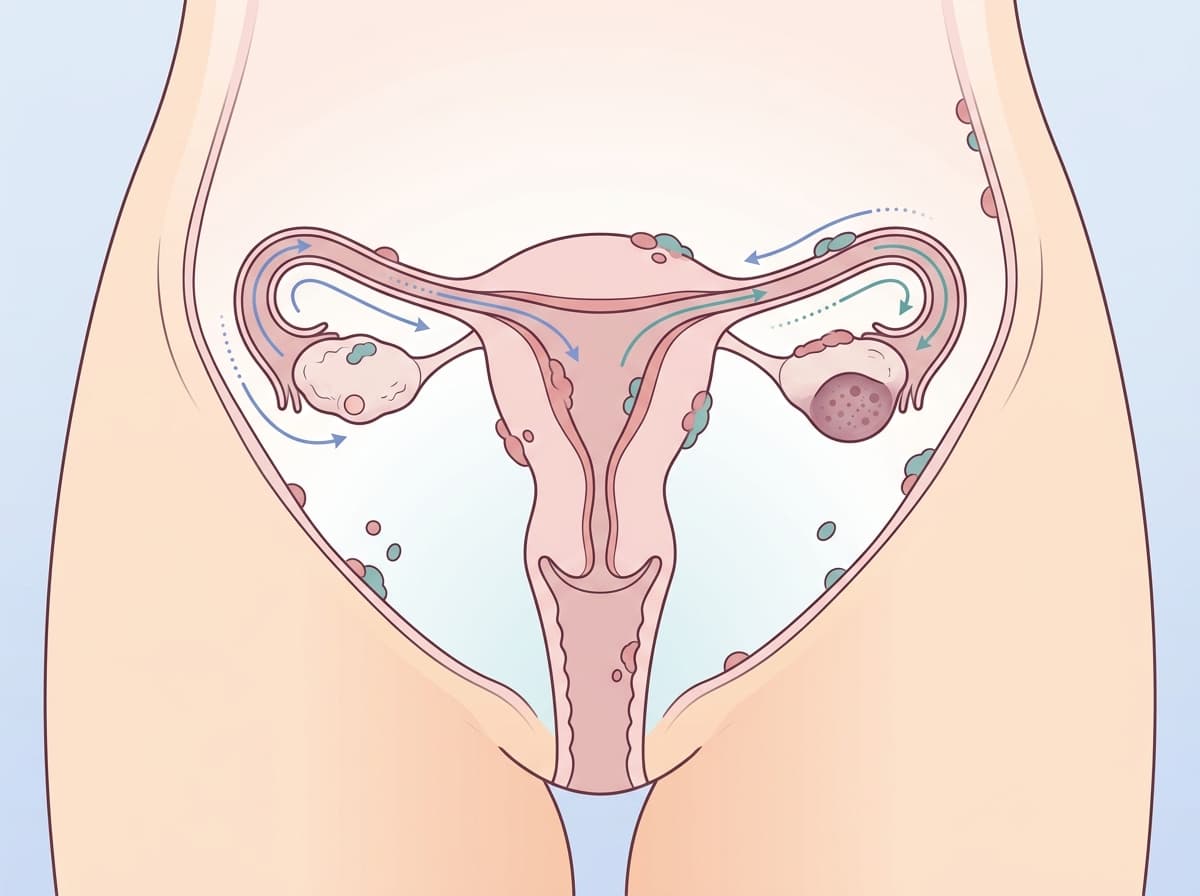
Endometriosis occurs when tissue functionally and morphologically similar to the endometrium (the normal lining that grows and sheds inside the uterine cavity during menstruation) implants and proliferates outside the uterus. These rogue implants most commonly establish themselves on the ovaries, fallopian tubes, outer uterine surface, uterosacral ligaments, and the pelvic peritoneum lining the Pouch of Douglas (the anatomical space between the rectum and the uterus). Less frequently, implants infiltrate the bladder, bowel, ureters, or surgical scars.
Just like the normal uterine lining, these ectopic endometrial implants respond to cyclical ovarian hormones — predominantly estrogen. During each menstrual cycle, they thicken, break down, and bleed. However, unlike menstrual blood that exits through the cervix and vagina, blood shed by ectopic implants has no exit route. It becomes trapped in the peritoneal cavity, triggering intense local inflammation, chemical irritation of nerve endings, immune activation, and progressive scar tissue formation (fibrotic adhesions). Over months and years, repeated micro-bleeding causes organs to adhere together, creating 'frozen pelvis' conditions and encapsulating old blood inside the ovaries to form dark, thick fluid-filled cysts known as endometriomas or 'chocolate cysts.'
The Diagnostic Delay Crisis in India: Globally, the average delay from symptom onset to definitive surgical diagnosis of endometriosis is 7 to 10 years. In India, societal taboos around menstruation and the common normalization of severe pain frequently push this timeline even longer. Diagnosing endometriosis before reproductive plans are disrupted is vital for preserving ovarian reserve.
Clinical Staging of Endometriosis: From Minimal Implants to Frozen Pelvis
The most widely accepted staging system is the revised American Society for Reproductive Medicine (rASRM) classification, which categorises endometriosis into four clinical stages (Stage I to Stage IV) based on the location, extent, depth of implants, presence of endometriomas, and severity of pelvic adhesions. It is crucial to understand that stage does not correlate with pain level, but it correlates significantly with the degree of mechanical and biological fertility impairment.
rASRM Clinical Staging of Endometriosis and Its Reproductive Implications
| Stage | Severity | Clinical Features & Pelvic Findings | Impact on Natural Fertility | Impact on IVF Outcomes |
|---|---|---|---|---|
| Stage I | Minimal | Few superficial implants on pelvic peritoneum without scarring or adhesions. | Mild: Peritoneal inflammation may subtly affect sperm motility or egg pickup. | Negligible: IVF fertilization and implantation rates remain comparable to unexplained infertility. |
| Stage II | Mild | Deeper implants in the cul-de-sac and peritoneal surfaces; minimal filmy adhesions. | Moderate: Local cytokine cascade hampers fertilization and embryo transit. | Mild: Good ovarian response; standard IVF protocols usually achieve excellent outcomes. |
| Stage III | Moderate | Multiple deep implants, evident adhesions, and small ovarian endometriomas (<3 cm). | Significant: Fallopian tubes may be kinked or bound; ovulatory mechanics impaired. | Moderate: Reduced egg retrieval yield from affected ovary; requires customized stimulation. |
| Stage IV | Severe | Extensive dense adhesions, large bilateral chocolate cysts (>3 cm), frozen pelvis, bowel/bladder involvement. | Severe: Natural conception rare due to complete tubal distortion and anatomical blockage. | High: Ovarian reserve (AMH) often compromised; elevated risk of implantation failure requiring pre-treatment. |
| DIE | Deep Infiltrating | Endometriosis penetrating >5 mm under peritoneal surface into bowel, bladder, or uterosacral ligaments. | Severe: Severe chronic dyspareunia, pelvic distortion, and systemic inflammation. | Complex: Requires multidisciplinary surgical evaluation and ultra-long GnRH down-regulation prior to embryo transfer. |
How Endometriosis Hinders Conception: The 6 Biological Barriers
Infertility associated with endometriosis is multifactorial. It is not merely a 'mechanical blockage' of the fallopian tubes; rather, it represents a complex interplay of anatomical disruption, toxic peritoneal biochemistry, diminished egg quality, and impaired uterine receptivity. Understanding these mechanisms helps patients and clinicians choose the exact treatment required:
Key Pathophysiological Mechanisms Leading to Subfertility
- 1. Mechanical Distortion and Tubal Blockage — Dense pelvic adhesions can pull the fallopian tubes and ovaries out of their natural anatomical alignment. The delicate fimbriae of the fallopian tubes, which must sweep over the ovary to capture the ovulated egg, become tethered or completely glued down by fibrous bands. In severe cases, the tubal lumen becomes blocked or hydrosalpinx (fluid-filled toxic tubal swelling) develops, physically preventing sperm from reaching the egg.
- 2. Diminished Ovarian Reserve (DOR) & Low AMH — Ovarian endometriomas (chocolate cysts) do not simply sit innocently inside the ovary. Their thick pseudocapsule compresses healthy ovarian cortex, triggering focal ischemia, vascular destruction, and accelerated follicular loss. Furthermore, past aggressive surgical removal (ovarian cystectomy) can inadvertently excise healthy cortical follicles, causing a precipitate drop in Anti-Müllerian Hormone (AMH) and antral follicle count (AFC).
- 3. Impaired Oocyte (Egg) Quality — Follicular fluid aspirates from women with endometriosis show markedly elevated levels of oxidative stress markers (such as 8-hydroxy-2'-deoxyguanosine), reactive oxygen species (ROS), and inflammatory interleukins (IL-1β, IL-6, TNF-alpha). This toxic microenvironment damages oocyte mitochondrial function, disrupts meiotic spindle assembly, and leads to lower fertilization rates and higher rates of chromosomal aneuploidy.
- 4. Hostile Peritoneal Environment — The peritoneal fluid that bathes the pelvic organs in endometriosis patients contains an overload of activated macrophages, prostaglandins, and vascular endothelial growth factor (VEGF). This chemically hostile fluid is toxic to both sperm motility and embryo development, effectively paralyzing sperm before they can complete capacitation and swim into the fallopian tube.
- 5. Defective Endometrial Receptivity & Implantation Failure — For an embryo to attach, the endometrium must be exquisitely receptive during the 'window of implantation.' In women with endometriosis, the uterine lining suffers from progesterone resistance — an inability of endometrial cells to respond properly to natural progesterone due to an altered ratio of progesterone receptors (PR-A and PR-B). Concurrently, homeobox gene expression (such as HOXA10 and HOXA11) and cell-adhesion integrins (alpha-v-beta-3) are down-regulated, causing blastocysts to fail to implant or leading to early biochemical miscarriages.
- 6. Dyspareunia (Painful Intercourse) — Endometriotic lesions on the uterosacral ligaments, pouch of Douglas, and rectovaginal septum cause severe deep dyspareunia (sharp pelvic pain during penetration). This physical distress leads to significant sexual avoidance and anxiety, severely reducing the frequency of intercourse during the couple's fertile ovulatory window.
- 7. Luteal Phase Defects & Dysfunctional Folliculogenesis — Chronic pelvic inflammation alters the pulsatile secretion of GnRH and LH from the pituitary gland. This results in inadequate corpus luteum formation following ovulation, leading to suboptimal progesterone synthesis necessary to sustain an early pregnancy.
- 8. Co-existing Adenomyosis — In 30% to 50% of women with deep endometriosis, endometrial tissue also infiltrates the muscular wall of the uterus (adenomyosis). Adenomyosis enlarges the uterus, disrupts coordinated junctional zone myometrial contractions (preventing directed sperm transport), and further compromises embryo implantation rates.
Recognising the Symptoms: Red Flags You Should Never Dismiss as 'Normal Period Pain'
One of the tragic realities of endometriosis is how often young women are told that agonizing periods are simply 'a woman's lot in life.' Pain that disrupts work, school, sleep, or social relationships is never normal. Recognizing these symptoms early allows prompt evaluation before extensive scarring compromises fertility.
Classic Symptoms of Endometriosis That Warrant Clinical Investigation
- Severe Dysmenorrhea (Debilitating Period Pain) — Cramping that begins several days before menstruation, intensifies during flow, and fails to respond to standard over-the-counter analgesics like mefenamic acid or paracetamol.
- Deep Dyspareunia — A dull, throbbing, or sharp ache felt deep in the pelvis during or after sexual intercourse, often lingering for hours afterward.
- Chronic Pelvic Pain — Persistent, non-cyclical lower abdominal and back heaviness lasting six months or longer, completely independent of the menstrual cycle.
- Menorrhagia and Polymenorrhea — Unusually heavy menstrual bleeding (soaking through a sanitary pad every hour), passing large blood clots, or experiencing irregular spotting between cycles.
- Dyschezia and Gastrointestinal Distress — Painful bowel movements, rectal bleeding during periods, cyclic bloating (often dubbed 'endo-belly'), diarrhea, or severe constipation that worsens during menses.
- Dysuria and Urinary Frequency — Pain during urination, bladder spasms, or feeling a constant urge to urinate during menstruation when endometriotic lesions inflame the bladder wall.
- Chronic Fatigue and Brain Fog — Unrelenting exhaustion driven by the body's continuous systemic inflammatory response and nocturnal pain-induced sleep disruption.
- Unexplained Infertility — The inability to conceive after 6 to 12 months of timed, unprotected intercourse, where routine semen analysis and basic ovulatory tests appear deceptively normal.
Warning Signs Demanding Urgent Specialist Evaluation: If you experience acute, unilateral excruciating pelvic pain (which may indicate a ruptured or torted endometrioma cyst), high fever with severe abdominal rigidity, or visible cyclic blood in your urine or stool during your period, seek immediate gynaecological emergency care at Sanjivani Hospital's 24/7 emergency unit.
How Endometriosis Affects In Vitro Fertilisation (IVF) Success: The Medical Evidence
In Vitro Fertilisation (IVF) is widely acknowledged as the single most effective assisted reproductive treatment for endometriosis-associated infertility because it bypasses diseased fallopian tubes, escapes the toxic pelvic peritoneal fluid, and directly unites sperm and egg in a controlled embryology laboratory. However, patients must understand that IVF is not entirely immune to the biological effects of endometriosis.
1. Impact on Oocyte Quantity (Ovarian Response)
Women with Stage III or Stage IV endometriosis, particularly those with bilateral chocolate cysts or previous ovarian surgery, frequently demonstrate a diminished ovarian response to gonadotropin stimulation drugs (FSH/hMG). The presence of endometriomas reduces the number of functional antral follicles, meaning fewer mature oocytes (eggs) are retrieved during the puncture procedure compared to age-matched women undergoing IVF for tubal factor or male factor infertility.
2. Impact on Oocyte and Embryo Quality
Decades of reproductive data have demonstrated that oxidative stress within endometriotic ovarian tissue can compromise oocyte cytoplasmic maturity. While fertilisation rates using Intracytoplasmic Sperm Injection (ICSI) remain high, the percentage of embryos that successfully progress to Day-5 expanded blastocysts is slightly reduced in women with advanced endometriosis. However, once a high-grade euploid blastocyst is formed, its genetic potential is virtually indistinguishable from an embryo produced by a non-endometriotic patient.
3. Impact on Embryo Implantation and Endometrial Receptivity
The primary challenge in endometriosis-related IVF is not egg retrieval; it is implantation. Progesterone resistance, persistent endometrial inflammation, and subclinical adenomyosis can make the uterine environment hostile to fresh embryo transfer. Fresh transfers performed immediately after ovarian stimulation (when circulating estradiol levels are sky-high) often yield lower pregnancy rates because estrogen fuels active endometriosis lesions. For this reason, the reproductive team at Sanjivani Hospital strongly advocates for freeze-all cycles combined with pre-transfer GnRH agonist down-regulation.
Natural Conception, IUI, or IVF? Comparing Realistic Pregnancy Rates
Choosing the appropriate fertility pathway depends strictly on the patient's age, ovarian reserve (AMH), duration of infertility, and stage of endometriosis. Here is an evidence-based comparison of conception modalities:
Fertility Treatment Modalities and Success Rates in Endometriosis
| Treatment Pathway | Suitability / Criteria | Expected Pregnancy Rate Per Cycle | Cumulative Pregnancy Rate (3-6 Months) | Key Clinical Considerations |
|---|---|---|---|---|
| Natural Conception (Timed Intercourse) | Age <35, Stage I-II, normal AMH, open fallopian tubes, normal semen parameters. | 2% to 4% per month (vs 15-20% in fertile women). | 20% to 35% within 12 months post-laparoscopy. | A 6-to-9 month trial of natural conception is reasonable immediately following laparoscopic excision of mild disease. |
| Ovulation Induction + IUI | Stage I-II, confirmed bilateral tubal patency, normal/borderline semen count. | 8% to 12% per cycle (using gonadotropins). | 25% to 30% after 3 completed cycles. | Limited utility in Stage III-IV disease. If 3 cycles of stimulated IUI fail, couples should advance promptly to IVF without further delay. |
| Standard IVF / ICSI (Fresh Transfer) | Stage III-IV, tubal blockage, low ovarian reserve, or failed IUI. | 25% to 35% clinical pregnancy rate per transfer. | 50% to 60% cumulative over 2-3 cycles. | Elevated estradiol during stimulation can flare pelvic inflammation, reducing fresh endometrial receptivity. |
| Optimised IVF + Freeze-All + GnRH Agonist Suppression | Moderate to severe endometriosis (Stage III-IV), endometriomas, or concurrent adenomyosis. | 45% to 55% clinical pregnancy rate per frozen embryo transfer (FET). | 70% to 80% cumulative live birth rate. | The current gold-standard protocol worldwide: suppresses pelvic inflammation and resets progesterone receptors prior to transfer. |
| IVF with Donor Oocytes | Severely depleted ovarian reserve (AMH <0.2 ng/mL), repeated poor egg quality, or advanced maternal age (>40). | 55% to 65% clinical pregnancy rate per transfer. | 80% to 85% cumulative success. | Overcomes the oocyte quality barrier entirely; combined with GnRH suppression to ensure optimal uterine receptivity. |
Medical Suppression vs Laparoscopic Surgery: What Should Come First?
One of the fiercest debates in reproductive gynaecology is whether an ovarian endometrioma or pelvic endometriosis should be surgically operated upon before starting IVF. The modern consensus established by the European Society of Human Reproduction and Embryology (ESHRE) and Indian reproductive guidelines has shifted decisively away from routine surgery.
Comparison of Interventional Strategies for Endometriosis-Related Infertility
| Clinical Approach | Mechanism of Action | When It Is Recommended | Advantages for Fertility | Risks & Drawbacks |
|---|---|---|---|---|
| Conservative Medical Suppression | Oral Dienogest (2 mg), combined oral contraceptives, or GnRH agonists (Leuprolide, Goserelin) suppress ovarian estrogen production, causing atrophy of endometriotic lesions. | Pain management in women not actively trying to conceive immediately; or as a 1-3 month prep before Frozen Embryo Transfer. | Halts disease progression without damaging healthy ovarian tissue or reducing AMH. | Cannot be used during active conception attempts as these medications prevent ovulation. |
| Laparoscopic Excision of Endometriosis | Minimally invasive keyhole surgery meticulously cutting out endometriotic peritoneal lesions and freeing trapped ovaries/fallopian tubes. | Younger women (<35) with Stage I-II disease, persistent intractable pain, or suspected tubal adhesions aiming for natural conception. | Restores natural pelvic anatomy and clears toxic inflammatory fluid; creates a 6-12 month fertile window. | Requires exceptional surgical expertise; incomplete excision leads to recurrence rates of 20-40% over 5 years. |
| Ovarian Cystectomy (Stripping Chocolate Cysts) | Surgical peeling and excision of the cyst capsule from the normal ovarian cortex. | Large endometriomas (>4-5 cm) causing severe pain, suspicion of malignancy, or cysts obstructing follicle aspiration during IVF. | Relieves pain and eliminates infection risk during transvaginal egg retrieval. | High risk of collateral damage to healthy ovarian cortex; often causes an irreversible 30-50% drop in AMH. |
| Sclerotherapy / Aspiration with Ethanol | Ultrasound-guided transvaginal aspiration of thick chocolate cyst fluid followed by brief alcohol installation to ablate the inner lining. | Recurrent endometriomas prior to IVF when preserving ovarian reserve is paramount. | Minimally invasive, avoids cutting ovarian tissue, preserves surrounding follicles. | Higher cyst recurrence rate than surgical excision; requires meticulous technique to avoid pelvic chemical peritonitis. |
| Fertility Preservation (Oocyte Freezing) | Controlled ovarian hyperstimulation and cryopreservation of unfertilised eggs via vitrification. | Women diagnosed with progressive endometriosis or scheduled for ovarian cystectomy who wish to delay childbearing. | Locks in egg quality and quantity at the patient's current age, safeguarding against future ovarian decline. | Requires financial investment and immediate hormonal stimulation cycle before surgery. |
The Gold-Standard IVF Strategy: Tailored Protocols for Endometriosis
Treating an IVF patient with endometriosis requires a personalized, protective strategy. Standard cookie-cutter stimulation protocols frequently result in sub-optimal outcomes. At Sanjivani Hospital, our reproductive specialists implement targeted protocols designed to maximize egg recovery while safeguarding uterine receptivity:
Step-by-Step Optimized Endometriosis IVF Protocol
- 1. Pre-Cycle Ovarian Reserve and Vascular Mapping — Detailed 3D transvaginal ultrasound assessing Antral Follicle Count (AFC) specifically in the healthy cortex outside the endometrioma, alongside baseline AMH and serum CA-125 testing.
- 2. Customised Ovarian Stimulation (GnRH Antagonist Protocol) — Utilising recombinant FSH (rFSH) paired with highly purified human menopausal gonadotropin (hMG/LH activity) to overcome androgen-deficient follicular microenvironments. The antagonist protocol prevents premature LH surges while minimising the duration of hormonal stimulation.
- 3. Freeze-All (Elective Single Blastocyst Transfer - eSET) — Rather than transferring an embryo into an inflamed, hyper-estrogenic uterus immediately following egg collection, all high-grade Day-5 blastocysts are vitrified (flash-frozen). This separates the taxing egg retrieval phase from the delicate implantation phase.
- 4. Ultra-Long GnRH Agonist Down-Regulation Prior to FET — Before the scheduled embryo transfer, the patient receives 1 to 3 monthly depot injections of a GnRH agonist (such as Leuprolide depot 3.75 mg or Goserelin 3.6 mg). This medical suppression induces a temporary hypo-estrogenic state that 'starves' endometriotic implants, dramatically reduces pelvic interleukin and TNF-alpha concentrations, reverses progesterone receptor resistance, and restores endometrial receptivity to normal levels.
- 5. Controlled Hormone Replacement Therapy (HRT) Cycle with Progesterone Support — Following downregulation, the endometrium is prepared with oral or transdermal estradiol valerate until an optimal trilaminar stripe of 8-10 mm is achieved. Robust progesterone supplementation (including micronized vaginal progesterone plus injectable or oral dydrogesterone) is initiated to counteract any residual progesterone resistance.
- 6. Endometrial Receptivity Analysis (ERA) for Recurrent Implantation Failure — In patients who have suffered previous unexplained IVF failures, an endometrial biopsy can identify whether their personal 'window of implantation' has shifted, ensuring blastocysts are transferred at the exact hour the uterus is receptive.
Holistic Pelvic Health: Anti-Inflammatory Indian Diet & Lifestyle Plan
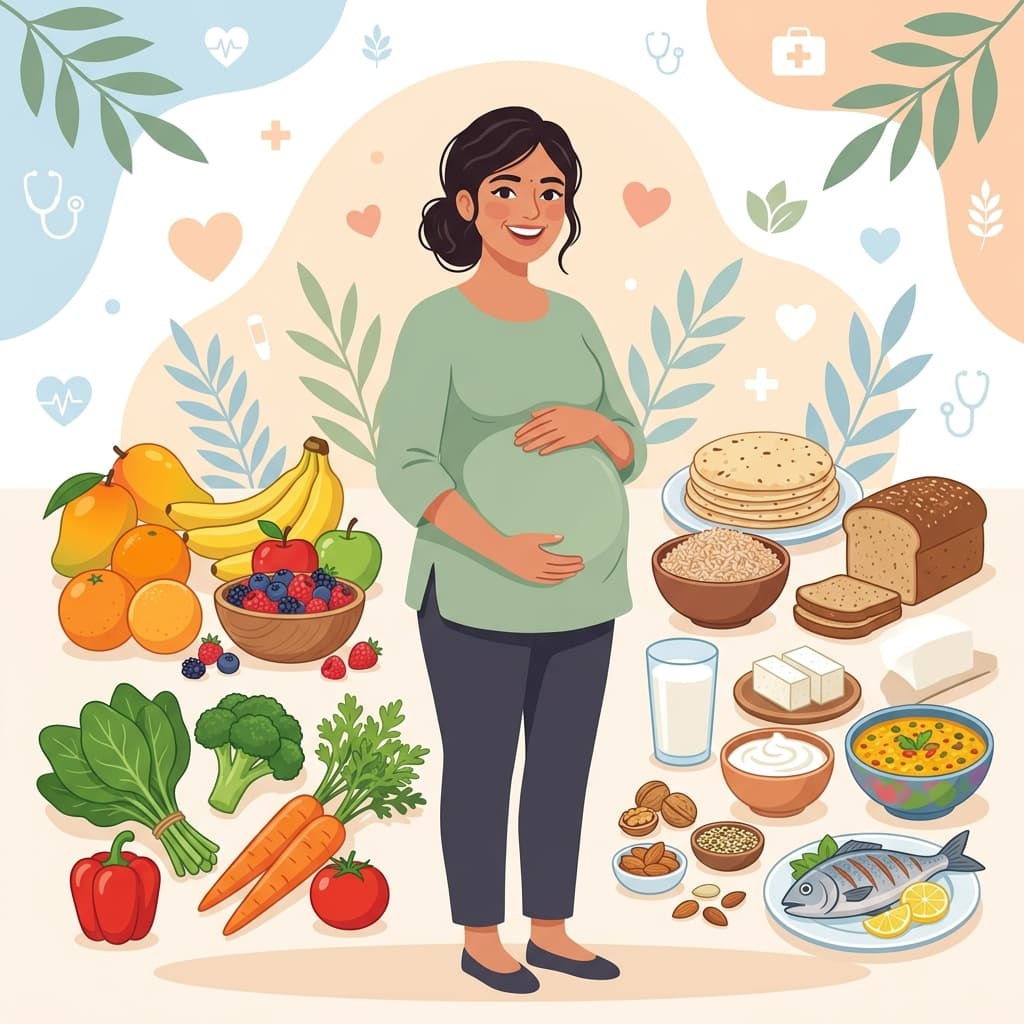
While diet alone cannot surgically dissolve fibrous adhesions, chronic inflammation is the primary fuel driving endometriosis pain, oocyte damage, and immune dysfunction. Adopting an evidence-based anti-inflammatory nutrition plan helps calm systemic cytokines, regulate estrogen metabolism in the liver, improve gut microbiome diversity, and create a hospitable environment for pregnancy.
Key Dietary Principles for Endometriosis & Fertility
Focus on balancing blood glucose levels, eliminating trans fats, maximizing omega-3 fatty acids, and optimizing gut-liver clearance of excess circulating estrogen via dietary fibre and cruciferous phytonutrients.
Anti-Inflammatory Indian Diet for Endometriosis: What to Eat and What to Avoid
| Nutritional Category | Foods to Embrace (Beneficial) | Foods to Minimise or Avoid (Inflammatory) | Biological Fertility Rationale |
|---|---|---|---|
| Fats & Cooking Oils | Cold-pressed mustard oil, groundnut oil, virgin coconut oil, pure A2 desi cow ghee (in moderation), flaxseeds (alsi), walnuts (akhrot), chia seeds. | Refined palm oil, vanaspati/dalda, hydrogenated vegetable oils, deep-fried street snacks (samosas, pakodas, vadas). | Omega-3 fatty acids reduce inflammatory prostaglandins (PGF2-alpha) responsible for severe uterine cramping and pelvic inflammation. |
| Grains & Carbohydrates | Millets (jowar, bajra, ragi), brown rice, whole oats, quinoa, multigrain flour with chana (sattu). | Refined white flour (maida), white bread, instant noodles, commercially baked biscuits, sugary bakery items. | Refined carbohydrates trigger rapid insulin spikes; high circulating insulin stimulates ovarian androgen and estrogen production, exacerbating endometriosis. |
| Proteins & Legumes | Sprouted moong, kala chana, rajma, masoor dal, boiled eggs, country chicken, fatty fish (surmai, rohu, katla, salmon). | Processed meats (sausages, salamis), charred grilled meats, non-organic feedlot meats high in endocrine-disrupting hormones. | Provides essential amino acids for tissue repair and egg development without inflammatory saturated grease. |
| Vegetables & Herbs | Cruciferous vegetables (cabbage, cauliflower, broccoli), bitter gourd (karela), drumsticks (moringa), spinach (palak), fresh haldi (curcumin), ginger (adrak), garlic (lahsun). | Heavily creamed rich gravies (butter chicken/paneer makhani gravies), unwashed vegetables laden with pesticide residue. | Cruciferous veggies contain Diindolylmethane (DIM) and indole-3-carbinol, which help the liver metabolize potent estradiol into benign 2-hydroxyestrone. |
| Dairy Products | Traditional homemade chaas (buttermilk) with roasted jeera, fresh curd (dahi) with live probiotics, paneer in moderation. | Commercial high-sugar flavoured yogurts, processed cheese slices, excessive whole buffalo milk, condensed milk (mithais). | Dairy contains A1 beta-casein which can promote gut inflammation in sensitive individuals; light cultured buttermilk supports the gut microbiome without inflammatory burden. |
| Beverages & Sweeteners | Spearmint tea, chamomile tea, warm water with lemon and ginger, coconut water (nariyal paani), raw honey or jaggery (gud) in small amounts. | Commercial carbonated sodas, excessive caffeinated coffee/energy drinks (>200 mg/day), alcohol, high-fructose corn syrup. | Excess caffeine elevates estradiol levels and constricts pelvic vasculature; alcohol severely impairs liver clearance of circulating estrogens. |
| Spices & Herbal Supports | Curcumin (haldi) with black pepper (piperine), fenugreek (methi dana), cinnamon (dalchini), fennel (saunf), ashwagandha (under doctor guidance). | Excessive artificial food colorings, synthetic MSG, stale reheated cooking oil spices. | Curcumin is a proven natural inhibitor of nuclear factor kappa B (NF-κB) and suppresses ectopic endometrial cell proliferation in clinical trials. |
Pro Tip for Digestive Balance ('Endo-Belly'): Start each morning with a glass of lukewarm water infused with freshly crushed ginger, a pinch of organic turmeric, and 1 teaspoon of soaked chia seeds or methi seeds. This simple routine stimulates bile secretion, enhances intestinal peristalsis, and prevents the estrogen-reabsorbing stagnation caused by chronic constipation.
When to See a Fertility Specialist: Don't Wait for the 1-Year Mark
General medical advice suggests that couples should try conceiving for 12 months before seeking fertility evaluations. However, this general rule does NOT apply if you have diagnosed or suspected endometriosis. Delayed intervention can allow silent ovarian endometriomas to deplete your remaining egg supply.
Timelines for Seeking Specialist Fertility Care
- Age Under 35 with Known Endometriosis — Seek an evaluation with a reproductive endocrinologist or fertility specialist after 6 months of timed, unprotected intercourse without conception.
- Age 35 or Older — Consult a fertility specialist after just 3 to 4 months of trying, as physiological age-related egg decline compounds endometriosis-related egg depletion.
- History of Ovarian Surgery — If you have previously undergone a cystectomy, laparoscopy, or unilateral oophorectomy, obtain an immediate baseline AMH test and pelvic ultrasound before attempting conception.
- Severe Dyspareunia Making Regular Intercourse Impossible — Seek medical guidance immediately rather than suffering in silence; specialised pelvic physiotherapy and medical suppression can restore comfort.
- Severe or Rapidly Dropping AMH Levels — An Anti-Müllerian Hormone level below 1.5 ng/mL warrants expedited evaluation for fertility preservation (egg freezing) or assisted reproductive treatment.
- Recurrent Miscarriages — Experiencing two or more early pregnancy losses in the setting of endometriosis necessitates a comprehensive workup for endometrial receptivity, luteal phase defect, or concurrent adenomyosis.
Myths vs Facts: Debunking Misconceptions About Endometriosis, IVF & Motherhood
Misinformation surrounding endometriosis causes immense unnecessary grief and delays proper treatment. Let us dispel the most common myths with clinical facts:
Common Endometriosis and Infertility Myths Debunked
| Prevalent Myth | Clinical Medical Reality | Evidence-Based Guidance |
|---|---|---|
| Myth 1: Endometriosis means you are completely infertile and can never have a baby. | Fact: Over 50% to 70% of women with endometriosis achieve biological pregnancy naturally or through assisted reproductive technologies. | Endometriosis causes subfertility, not permanent sterility. Timely clinical guidance yields excellent pregnancy rates. |
| Myth 2: Pregnancy permanently cures endometriosis. | Fact: Pregnancy provides temporary symptom relief due to high circulating progesterone halting periods, but it does NOT cure the disease. | Lesions often reactivate after childbirth and the resumption of regular menstrual cycles, though many women experience lasting pain reduction. |
| Myth 3: You MUST surgically remove all chocolate cysts before starting IVF. | Fact: Routine surgical stripping of endometriomas can drastically diminish ovarian reserve (AMH) and harm healthy egg follicles. | Unless a cyst is >4 cm, causing unmanageable pain, or physically blocking egg retrieval, IVF should generally precede any surgery. |
| Myth 4: IVF always fails in women who have endometriosis. | Fact: Modern IVF protocols (especially freeze-all cycles with GnRH agonist suppression) achieve cumulative success rates of 70% to 80%. | By bypassing pelvic inflammation and preparing the uterine lining separately, IVF successfully overcomes the primary barriers of endometriosis. |
| Myth 5: Severe period pain is purely emotional or psychological. | Fact: Endometriosis is a documented physical, organic, inflammatory neurovascular disease involving deep nerve infiltration. | Never let anyone dismiss your agony. Severe dysmenorrhea warrants ultrasound, MRI, or diagnostic laparoscopy by an experienced specialist. |
| Myth 6: Hysterectomy is the only definitive cure for endometriosis. | Fact: Endometriosis implants reside OUTSIDE the uterus; removing the uterus alone without excising peritoneal lesions leaves the disease active. | Complete surgical excision of active lesions combined with hormone regulation is required, preserving the uterus whenever pregnancy is desired. |
The Emotional Toll: Navigating the Intersection of Chronic Pain and Infertility
The dual burden of living with chronic physical pain and grappling with the uncertainty of fertility can lead to profound emotional exhaustion, anxiety, depression, and marital stress. In Indian families where societal pressures to conceive are intense, women often carry unwarranted guilt, feeling that their bodies are 'failing' them.
Coping Strategies for Mental & Emotional Resilience
- Acknowledge and Validate Your Grief — It is normal to feel anger, sorrow, and frustration over delayed diagnoses and missed fertility milestones. Allow yourself to grieve without self-blame.
- Open Communication with Your Partner — Involve your spouse in every doctor consultation so they understand the biological mechanics of endometriosis, the reality of dyspareunia, and the fact that fertility is a shared journey.
- Connect with Support Groups — Join dedicated endometriosis and fertility communities (such as the Endometriosis Society of India) to share experiences and realize you are never alone.
- Practice Mind-Body Stress Reduction — Chronic cortisol elevation worsens systemic inflammation and suppresses reproductive hormones. Daily practices like yoga nidra, pranayama, and gentle pelvic meditation measurably reduce pain perception.
- Seek Professional Fertility Counselling — Sanjivani Hospital provides compassionate mental health and psychological counselling for couples navigating IVF cycles, helping you manage cycle anxiety and maintain emotional resilience.
Expert Fertility & Endometriosis Care at Sanjivani Hospital, Virar: If you are struggling with severe menstrual pain, chocolate cysts, or difficulty conceiving, you do not have to walk this journey alone. The Department of Obstetrics, Gynaecology & Reproductive Medicine at Sanjivani Hospital offers comprehensive care under one roof: high-resolution 3D pelvic ultrasound, advanced diagnostic and operative laparoscopy, fertility preservation (egg freezing), and personalized IVF/ICSI cycles with tailored down-regulation protocols. Our team combines clinical excellence with compassionate, patient-centered care. Schedule a consultation at our Virar hospital today — call our fertility desk or book an appointment online.
The Bottom Line: Your Roadmap to Motherhood
Key Takeaways for Women Navigating Endometriosis and Fertility
- Endometriosis is Not a Verdict of Infertility — While it presents genuine biological obstacles, the overwhelming majority of women with endometriosis can and do become biological mothers with timely, individualized medical care.
- Protect Your Ovarian Reserve First — Always test your AMH and consult a reproductive specialist before undergoing any ovarian surgery. Aggressive cystectomies can inadvertently deplete the very eggs you are trying to save.
- Modern IVF Has Changed the Game — Freeze-all blastocyst transfers preceded by 1 to 3 months of GnRH agonist down-regulation effectively neutralize pelvic inflammation and progesterone resistance, delivering success rates comparable to non-endometriosis patients.
- Adopt an Anti-Inflammatory Lifestyle — Complement medical treatments with omega-3 fatty acids, cruciferous vegetables, gut health support, and stress reduction to calm systemic cytokine activity and support egg quality.
- Advocate Fiercely for Your Body — Pain that halts your life is not normal. Early diagnosis and proactive reproductive planning are the greatest gifts you can give to your future family.