Every 4 minutes, someone in India is diagnosed with lung cancer. With over 110,000 new cases diagnosed annually and nearly 80,000–100,000 deaths each year, lung cancer has emerged as the deadliest cancer in the country — surpassing breast, oral, and cervical cancers in sheer mortality. The Indian Council of Medical Research (ICMR) data reveals a chilling pattern: 80–85% of lung cancer patients in India are diagnosed at Stage III or Stage IV, when treatment options narrow and long-term survival drops to single-digit percentages.
What makes lung cancer particularly dangerous is its ability to remain silent for years. Unlike a lump you can feel or a wound you can see, early-stage lung cancer produces few — if any — noticeable symptoms. By the time persistent coughing, unexplained weight loss, or breathlessness force a visit to the doctor, the cancer has often already spread to distant organs. This is why lung cancer is often called the 'silent killer' of the respiratory system.
And here's the most dangerous myth: lung cancer only happens to smokers. While smoking remains the leading risk factor, a rapidly growing proportion of lung cancer cases in India are being diagnosed in non-smokers — particularly women exposed to indoor air pollution from biomass fuel burning (traditional chulhas), secondhand smoke, and dangerously high ambient PM2.5 levels in Indian cities. November is Lung Cancer Awareness Month, and this comprehensive guide is designed to help you understand the warning signs, causes, stages, treatments, and — most critically — how to catch this disease early, when it can still be cured.
What Is Lung Cancer?
Lung cancer is a type of malignancy that begins when cells in the lung tissue grow uncontrollably, forming a tumour. These abnormal cells divide rapidly, invading and destroying healthy lung tissue and eventually spreading (metastasising) to other parts of the body — including the brain, bones, liver, and adrenal glands.
Your lungs are two sponge-like organs in your chest responsible for breathing in oxygen and expelling carbon dioxide. When you inhale carcinogens — whether from cigarette smoke, polluted air, or industrial chemicals — these substances damage the DNA in lung cells over time. Normally, your body repairs this damage or kills the damaged cells. But when the repair mechanisms fail, the damaged cells begin to multiply unchecked, eventually forming a cancerous tumour.
Important Distinction: Not every lung nodule is cancer. Many nodules found on CT scans are benign (non-cancerous) — caused by infections, inflammation, or scar tissue. A qualified pulmonologist or oncologist can determine the nature of a nodule through imaging follow-ups, PET scans, and biopsy if needed.
Types of Lung Cancer: NSCLC vs SCLC
Lung cancer is broadly divided into two main types based on how the cancer cells look under a microscope. The type determines how aggressively it grows, how it is staged, and what treatments are most effective.
Comparison of the two main types of lung cancer
Scroll table →| Feature | Non-Small Cell Lung Cancer (NSCLC) | Small Cell Lung Cancer (SCLC) |
|---|---|---|
| Frequency | 80–85% of all lung cancer cases | 10–15% of all lung cancer cases |
| Growth rate | Slower growing, may remain localised longer | Very aggressive, spreads rapidly |
| Smoking link | Common in both smokers and non-smokers | Almost exclusively linked to heavy smoking |
| Common subtypes | Adenocarcinoma, Squamous Cell Carcinoma, Large Cell Carcinoma | Limited Stage, Extensive Stage |
| Adenocarcinoma note | Most common subtype overall; rising among non-smokers and women in India | N/A |
| Surgery option | Surgery is a key curative option in early stages | Surgery rarely an option; treated with chemo + radiation |
| Targeted therapy | Available for EGFR, ALK, ROS1, KRAS mutations | Very limited targeted therapy options |
| 5-year survival (early stage) | ~60–70% for Stage I | ~20–25% for Limited Stage |
| 5-year survival (late stage) | ~5–8% for Stage IV | ~2–3% for Extensive Stage |
Adenocarcinoma has increasingly overtaken squamous cell carcinoma as the most common histological subtype of lung cancer in India. This shift is significant because adenocarcinoma often occurs in non-smokers and is more likely to harbour targetable genetic mutations (EGFR, ALK) — making it eligible for precision-targeted oral therapies that can dramatically improve survival.
Stages of Lung Cancer: TNM Classification Simplified
Staging tells you how far the cancer has progressed. The TNM system — used worldwide — evaluates three key factors: T (Tumour size and extent), N (Lymph Node involvement), and M (Metastasis — distant spread). These combine to assign an overall stage from I to IV.
Lung cancer stages explained
Scroll table →| Stage | What It Means | Treatment Intent | Approximate 5-Year Survival (NSCLC) |
|---|---|---|---|
| Stage I | Small tumour (≤4 cm) confined to the lung, no lymph node involvement | Curative — Surgery or SBRT | 60–80% |
| Stage II | Larger tumour or spread to nearby hilar lymph nodes | Curative — Surgery + adjuvant chemotherapy | 40–55% |
| Stage III | Locally advanced — spread to mediastinal lymph nodes or nearby structures | Curative to palliative — Chemoradiation ± immunotherapy | 15–35% |
| Stage IV | Metastatic — spread to distant organs (brain, bones, liver, opposite lung) | Palliative — Targeted therapy, immunotherapy, chemotherapy | 5–8% |
For Small Cell Lung Cancer (SCLC), staging is often simplified into two categories: Limited Stage (cancer on one side of the chest, treatable with a single radiation field) and Extensive Stage (cancer has spread widely, requiring systemic treatment).
10 Silent Warning Signs of Lung Cancer You Must Not Ignore
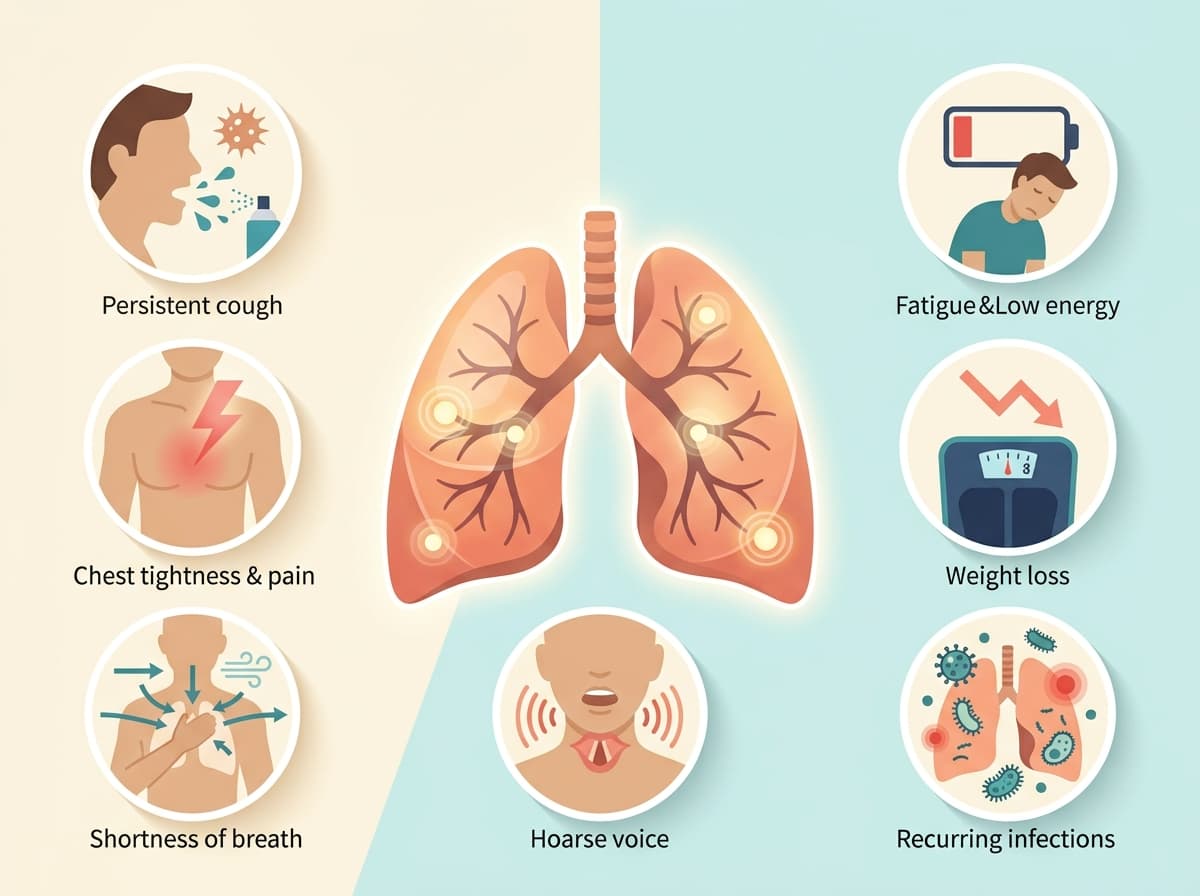
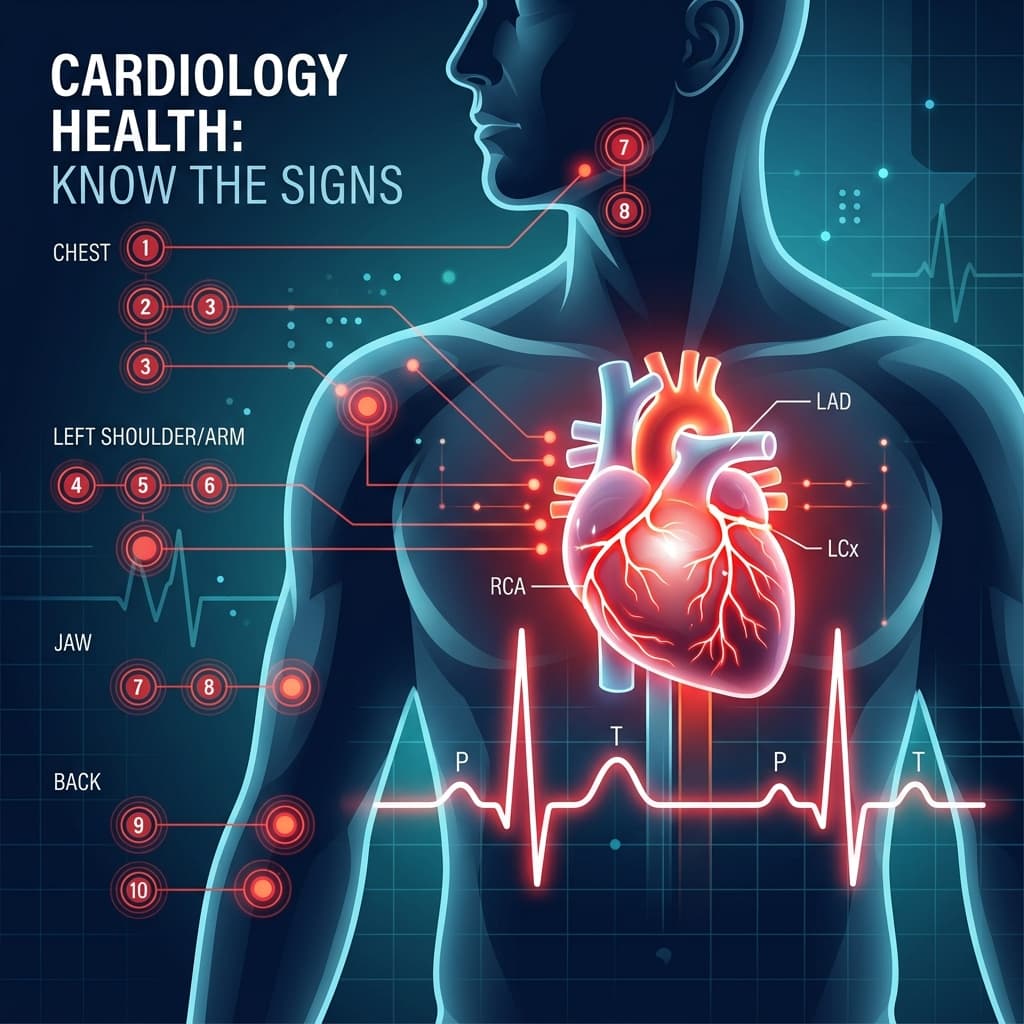
Early-stage lung cancer is notoriously asymptomatic. When symptoms do appear, they are often mistaken for common respiratory conditions like chronic bronchitis, asthma, or even tuberculosis — especially in India where TB is endemic. Here are the 10 warning signs you should watch for:
Warning signs of lung cancer
- Persistent cough that won't go away — A cough lasting more than 2–3 weeks that doesn't respond to standard treatment, worsens over time, or changes character (becomes deeper, more frequent, or produces more mucus) should raise concern.
- Coughing up blood (haemoptysis) — Even a small amount of blood or rust-coloured sputum in your cough is a red flag. Many patients dismiss this as a throat infection, but it can signal a bleeding tumour in the airways.
- Unexplained shortness of breath — If you find yourself breathless during activities you previously handled easily — climbing a flight of stairs, walking short distances, or even talking — it could indicate a tumour blocking an airway or fluid accumulating around the lung (pleural effusion).
- Persistent chest pain — A dull, aching, or sharp pain in the chest that worsens with deep breathing, coughing, or laughing. This can indicate the tumour is pressing on the chest wall, ribs, or nerves.
- Hoarseness or voice changes — A persistent change in your voice — becoming raspy, strained, or noticeably deeper — can occur when a lung tumour presses on the recurrent laryngeal nerve that controls the vocal cords.
- Unexplained weight loss — Losing more than 5 kg without dieting, increased exercise, or any obvious reason is a classic cancer warning sign. Cancer cells consume enormous energy, leading to rapid, unexplained weight loss (cachexia).
- Chronic fatigue and weakness — Feeling exhausted despite adequate rest. Cancer-related fatigue is different from normal tiredness — it doesn't improve with sleep and can be overwhelming.
- Recurrent respiratory infections — Repeated bouts of pneumonia or bronchitis, especially in the same lung area, can suggest a tumour blocking part of the airway, trapping mucus, and creating a breeding ground for infections.
- Bone pain — If lung cancer metastasises to the bones (common sites: spine, ribs, hips), you may experience deep, worsening bone pain — especially at night. This is often the first symptom of Stage IV disease.
- Swelling in the face or neck — A tumour pressing on the superior vena cava (the large vein carrying blood from the head to the heart) can cause noticeable swelling in the face, neck, and upper chest — a condition called Superior Vena Cava Syndrome (SVCS).
🚨 RED FLAG — Seek Immediate Medical Attention If You Experience: Coughing up blood, severe or sudden chest pain, unexplained weight loss exceeding 5 kg, difficulty breathing at rest, facial or neck swelling, or any combination of the above symptoms. Early diagnosis can be the difference between Stage I (curable) and Stage IV (palliative only).
Causes & Risk Factors: Who Gets Lung Cancer?
While tobacco smoking is the single biggest risk factor, the reality in India is far more nuanced. A significant and alarming proportion of lung cancer cases in India occur in non-smokers — driven by environmental, occupational, and genetic factors.
Causes and risk factors for lung cancer
- Cigarette & bidi smoking — The number one cause worldwide. Bidi smoking, extremely common in rural India, carries an even higher risk than cigarettes due to the lack of a filter and higher tar concentration. Risk increases with the number of pack-years (packs per day × years smoked).
- Secondhand (passive) smoke exposure — Living or working with a smoker increases your lung cancer risk by 20–30%. Non-smoking spouses of heavy smokers are particularly vulnerable.
- Outdoor air pollution (PM2.5/PM10) — India has some of the most polluted cities in the world. Chronic exposure to particulate matter (PM2.5) — from vehicle emissions, industrial waste, crop burning (especially in North India), and construction dust — is now recognised by WHO as a Group 1 carcinogen.
- Indoor air pollution — biomass fuel & chulhas — Millions of Indian women cook daily using traditional chulhas burning wood, cow dung, crop residue, or coal. The smoke from these fuels contains carcinogenic compounds equivalent to smoking several cigarettes daily, explaining the high rates of lung cancer among non-smoking Indian women.
- Occupational exposure — Workers in mining, construction, textile mills, and certain industries are exposed to asbestos, radon, arsenic, chromium, nickel, and diesel fumes — all established lung carcinogens.
- Radon gas exposure — Radon is a naturally occurring radioactive gas that seeps from soil and rock into buildings through cracks in foundations. It is the second leading cause of lung cancer globally after smoking and is often undetected because it is odourless and colourless.
- Prior tuberculosis (TB) — India has the world's highest TB burden. Scarring and chronic inflammation from pulmonary tuberculosis can predispose lung tissue to malignant transformation, even decades after TB treatment.
- Family history & genetic predisposition — Having a first-degree relative (parent, sibling, child) with lung cancer increases your risk, independent of smoking status. Certain inherited genetic variations affect how the body processes carcinogens.
- Pre-existing lung diseases — Conditions like COPD (Chronic Obstructive Pulmonary Disease), pulmonary fibrosis, and chronic bronchitis increase lung cancer risk due to ongoing inflammation and cellular damage.
- Age — Risk increases significantly after age 50, with most diagnoses occurring between ages 55 and 75. However, lung cancer in younger adults (under 40) is increasingly reported in India, often linked to air pollution and genetic mutations.
- Diet low in fruits and vegetables — A diet deficient in antioxidants, vitamins A, C, and E, and cruciferous vegetables (broccoli, cauliflower, cabbage) may reduce the body's ability to repair DNA damage caused by carcinogens.
- Excessive alcohol consumption — Heavy drinking weakens the immune system and may impair the body's ability to suppress cancer cell growth, acting as a co-factor alongside smoking.
Diagnosis: How Is Lung Cancer Detected?
Because lung cancer is often asymptomatic in early stages, detection frequently requires a combination of imaging, tissue sampling, and molecular testing. Here is the standard diagnostic pathway:
Diagnostic methods for lung cancer
- Chest X-ray — Often the first test ordered. Can reveal masses, nodules, or fluid in the lungs. However, chest X-rays can miss small or early-stage tumours.
- Low-Dose CT Scan (LDCT) — The gold standard for lung cancer screening in high-risk individuals. LDCT can detect nodules as small as 1–2 mm and has been shown to reduce lung cancer mortality by 20% in high-risk populations.
- PET-CT Scan — Combines CT imaging with a radioactive glucose tracer to identify metabolically active (potentially cancerous) cells. Helps determine if a nodule is benign or malignant and stages the cancer by revealing distant spread.
- Bronchoscopy — A thin, flexible tube with a camera is inserted through the nose or mouth into the airways. Allows direct visualisation of tumours and biopsy of suspicious tissue.
- CT-guided needle biopsy — For tumours located in the outer (peripheral) areas of the lung that bronchoscopy cannot reach, a needle is inserted through the chest wall under CT guidance to obtain tissue samples.
- Sputum cytology — Examination of coughed-up mucus under a microscope can sometimes reveal cancer cells. More useful for centrally located tumours.
- Molecular/biomarker testing — Once cancer is confirmed, tumour tissue is tested for specific genetic mutations (EGFR, ALK, ROS1, KRAS, BRAF, PD-L1 expression) that determine eligibility for targeted therapy and immunotherapy.
Who Should Get Screened? International guidelines recommend annual LDCT screening for individuals aged 50–80 who have a 20+ pack-year smoking history and currently smoke or have quit within the past 15 years. In India, screening may also be considered for individuals with chronic biomass fuel exposure and those living in highly polluted environments — consult a pulmonologist for personalised advice.
Medical & Surgical Treatment Options
Treatment for lung cancer depends on the type (NSCLC vs SCLC), stage at diagnosis, molecular profile, and the patient's overall health. Modern oncology offers multiple treatment modalities that are often used in combination.
Treatment for Non-Small Cell Lung Cancer (NSCLC)
NSCLC treatment options by stage
Scroll table →| Treatment | How It Works | Best For | Recovery Time | Success Rate |
|---|---|---|---|---|
| Lobectomy (surgery) | Surgical removal of the affected lobe of the lung via open thoracotomy or VATS (minimally invasive) | Stage I & II NSCLC | 4–8 weeks | 60–80% 5-year survival (Stage I) |
| Wedge/Segmental Resection | Removal of a small portion of the lung containing the tumour | Very early-stage tumours or patients unfit for lobectomy | 3–6 weeks | 50–70% 5-year survival |
| Stereotactic Body Radiation (SBRT) | Precisely focused high-dose radiation beams destroy the tumour without surgery | Stage I patients who cannot undergo surgery due to age or comorbidities | No surgical recovery; fatigue for 2–4 weeks | 50–60% 5-year survival |
| Concurrent Chemoradiation | Chemotherapy and radiation therapy given simultaneously | Stage III (locally advanced) NSCLC | Treatment lasts 6–7 weeks; recovery 2–3 months | 15–35% 5-year survival |
| Targeted Therapy (TKIs) | Oral pills that block specific mutated proteins driving cancer growth (e.g., EGFR inhibitors like Osimertinib, ALK inhibitors like Alectinib) | Stage IV NSCLC with confirmed driver mutations | Ongoing daily medication; manageable side effects | Median survival 2–4 years; some patients live 5+ years |
| Immunotherapy (Checkpoint Inhibitors) | Drugs like Pembrolizumab or Nivolumab that help the immune system recognise and attack cancer cells | Stage III/IV NSCLC with high PD-L1 expression | IV infusion every 3–6 weeks; ongoing | 20–35% 5-year survival in select patients |
| Palliative chemotherapy | Traditional chemotherapy drugs to slow tumour growth and relieve symptoms | Advanced NSCLC without targetable mutations | Cycles of 3–4 weeks; 4–6 cycles typical | Median survival 10–14 months |
Treatment for Small Cell Lung Cancer (SCLC)
SCLC treatment options
Scroll table →| Treatment | How It Works | Best For | Recovery/Duration |
|---|---|---|---|
| Concurrent Chemo + Radiation | Cisplatin/Carboplatin + Etoposide chemotherapy combined with thoracic radiation therapy | Limited Stage SCLC | 4–6 cycles over 3–4 months |
| Chemo + Immunotherapy | Carboplatin + Etoposide + Atezolizumab/Durvalumab | Extensive Stage SCLC | 4 chemo cycles + maintenance immunotherapy |
| Prophylactic Cranial Irradiation (PCI) | Low-dose radiation to the brain to prevent brain metastases | Patients who respond well to initial treatment | 10–14 sessions over 2–3 weeks |
| Palliative radiation | Targeted radiation to relieve pain from bone metastases or brain metastases | Symptomatic metastatic disease | 5–10 sessions |
Home Care & Self-Management During Treatment
While lung cancer requires professional medical treatment, there are several evidence-backed strategies to support your body during and after treatment.
1. Deep Breathing & Pulmonary Rehabilitation
Pursed-lip breathing and diaphragmatic breathing exercises can significantly improve lung capacity and oxygen levels, especially after surgery or during radiation. Practice 10–15 minutes of breathing exercises twice daily. Ask your doctor about structured pulmonary rehabilitation programmes that combine breathing training, gentle aerobic exercises, and education.
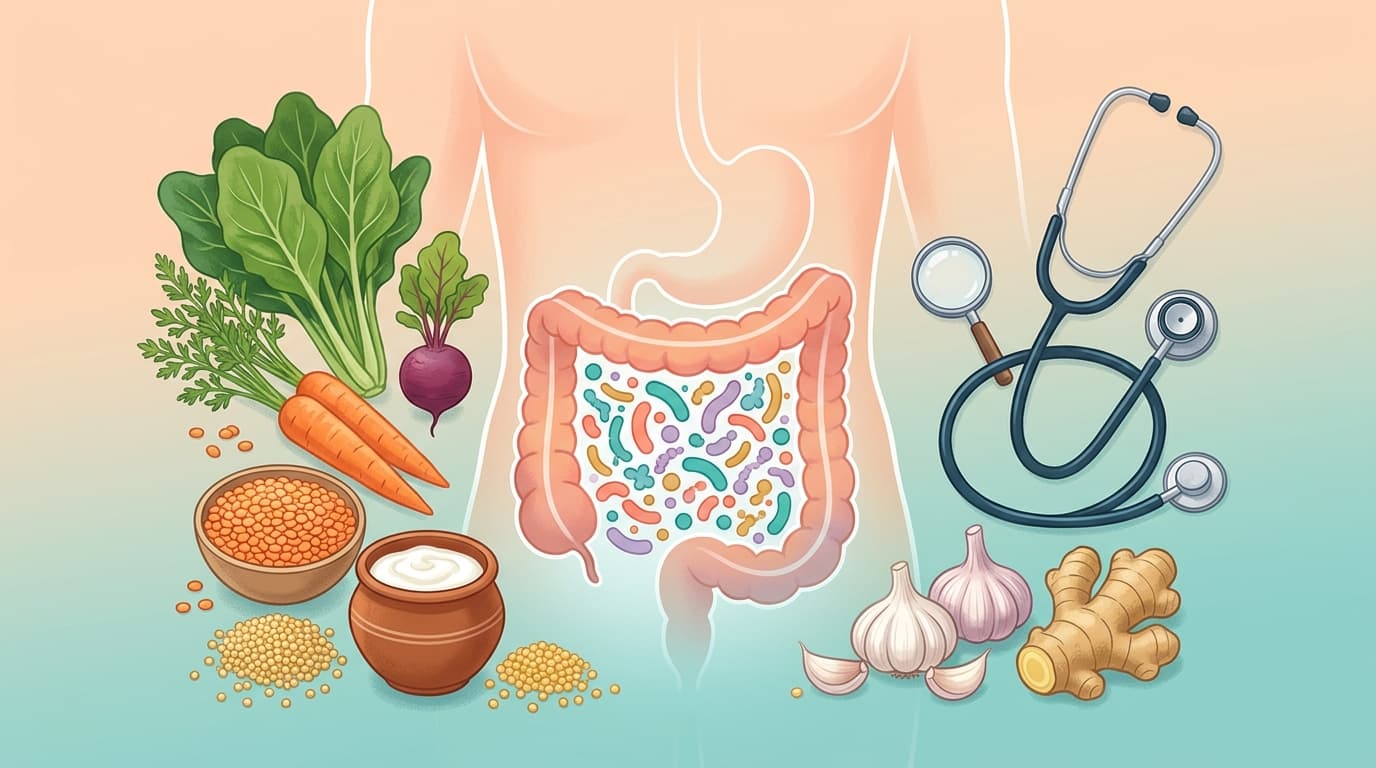
2. Nutritional Support for Lung Cancer Patients
Cancer and its treatments can cause loss of appetite, nausea, taste changes, and weight loss. A protein-rich, calorie-dense diet is essential to maintain strength, support immune function, and aid recovery.
Recommended foods and foods to avoid for lung cancer patients
Scroll table →| Category | Recommended (Include) | Avoid or Limit |
|---|---|---|
| Protein sources | Dal, moong, chana, paneer, eggs, fish, chicken, tofu, soy milk | Processed meats (sausages, bacon, salami), red meat in excess |
| Fruits | Papaya, amla (Indian gooseberry), guava, pomegranate, orange, berries | Canned fruits with added sugar |
| Vegetables | Broccoli, cauliflower, palak (spinach), methi (fenugreek), carrots, beetroot, lauki (bottle gourd) | Deep-fried vegetables, heavily salted pickles |
| Grains & cereals | Bajra, jowar, ragi, brown rice, whole wheat roti, oats | Maida (refined flour), white bread, bakery products |
| Healthy fats | Groundnut oil, mustard oil, ghee (moderate), flaxseeds, walnuts, almonds | Vanaspati (dalda), reheated/reused cooking oil, trans fats |
| Spices & herbs | Turmeric (haldi), ginger (adrak), garlic, tulsi, ashwagandha | Excessive chilli, overly spicy food if nauseous |
| Hydration | Water (8–10 glasses), coconut water (nariyal pani), buttermilk (chaas), clear soups | Alcohol, excessive caffeine, sugary soft drinks |
💡 Pro Tip: If you're experiencing nausea or loss of appetite during chemotherapy, eat small, frequent meals (5–6 times a day) instead of 3 large meals. Ginger tea (adrak chai) and dry crackers before meals can help manage nausea. A clinical dietitian can create a personalised meal plan tailored to your treatment phase.
3. Gentle Physical Activity
Moderate physical activity — even a 15–20 minute walk daily — has been shown to improve energy levels, reduce treatment-related fatigue, improve mood, and potentially enhance treatment outcomes in lung cancer patients. Yoga, especially pranayama (breathing-focused yoga), is particularly beneficial for lung cancer patients. Always consult your oncologist before starting any exercise programme.
4. Mental Health & Emotional Support
A lung cancer diagnosis can be emotionally devastating. Depression, anxiety, and fear are natural responses. Don't fight these feelings alone — seek support from family, friends, support groups, and professional counsellors. Many hospitals, including Sanjivani, offer access to psychiatric and psychological support services for cancer patients and their families.
5. Quit Smoking — It's Never Too Late
If you are a current smoker diagnosed with lung cancer, quitting smoking immediately improves treatment outcomes. Studies show that patients who quit smoking at the time of diagnosis have better surgical recovery, improved chemotherapy and radiation response, fewer complications, and improved overall survival. India's National Tobacco Quitline (1800-11-2356) provides free counselling and support.
When to See a Doctor
Many lung cancer symptoms overlap with less serious conditions like bronchitis or asthma, but certain patterns should prompt an immediate medical evaluation:
When to see a doctor for possible lung cancer
- A cough that persists for more than 3 weeks and doesn't respond to antibiotics or cough medicines
- Coughing up blood or blood-streaked sputum — even once
- Unexplained weight loss of more than 5 kg over a few weeks
- Progressive shortness of breath, especially if you're a non-smoker or have no history of asthma
- Persistent chest pain that isn't explained by injury, muscle strain, or acid reflux
- Recurring pneumonia or bronchitis in the same area of the lung
- Hoarseness or voice change lasting more than 2 weeks
- New onset of wheezing in someone over 40 without a history of asthma
- You are a high-risk individual (smoker/ex-smoker with 20+ pack-years, history of biomass fuel exposure, family history of lung cancer) — request annual LDCT screening
Prevention: 10 Actionable Steps to Reduce Your Lung Cancer Risk
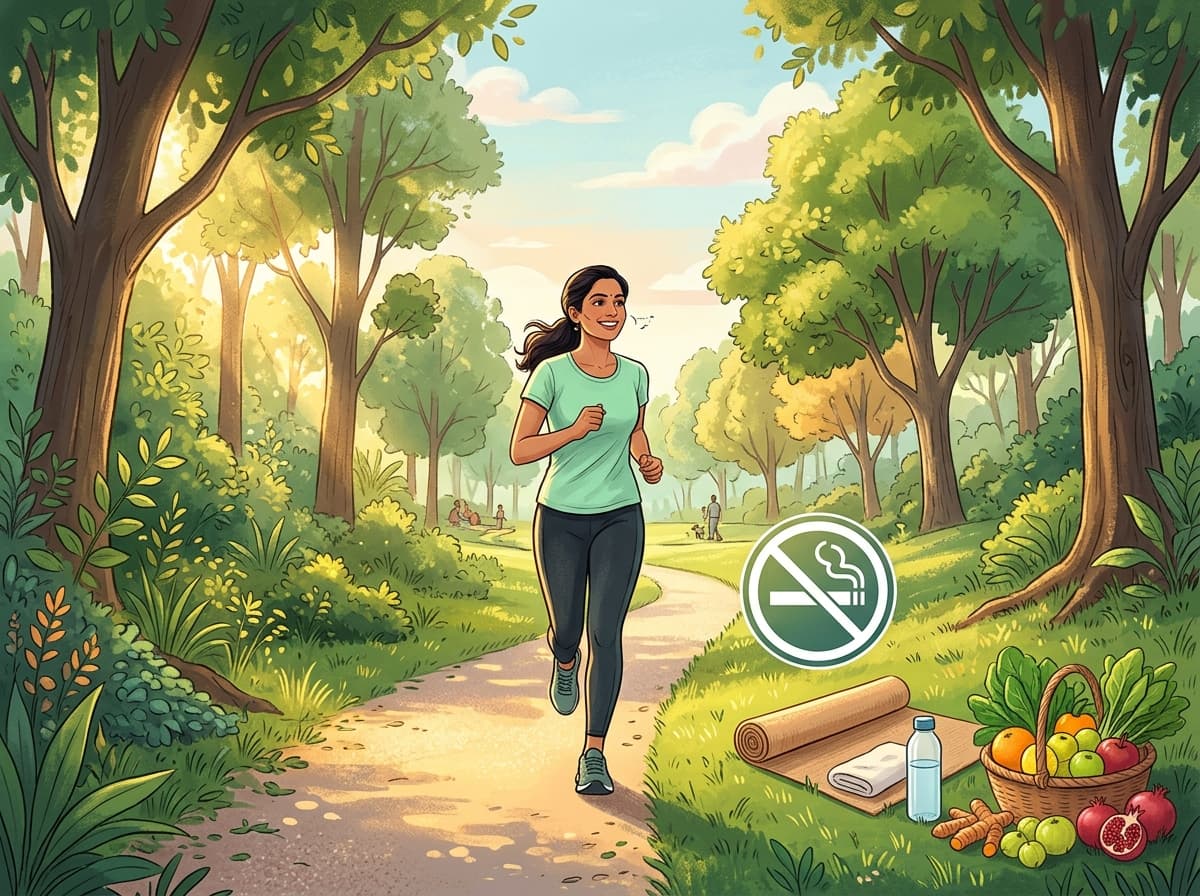
How to prevent lung cancer
- Don't smoke — and quit if you do — Smoking causes approximately 85% of lung cancers. If you smoke bidis, cigarettes, hookah, or vape, quit now. Seek help through India's Tobacco Quitline (1800-11-2356) or ask your doctor about nicotine replacement therapy (patches, gum) and prescription medications (Bupropion, Varenicline).
- Avoid secondhand smoke — Don't allow smoking inside your home or car. Avoid prolonged exposure to smoky environments including hookah bars. Second-hand smoke exposure increases lung cancer risk by 20–30%.
- Switch from chulha to clean cooking fuel — If your household uses a traditional chulha burning wood, cow dung, or crop residue, switch to LPG (Ujjwala Yojana provides subsidised cylinders), improved cookstoves, or electric induction cooktops. This single change can dramatically reduce indoor air pollution exposure.
- Reduce outdoor pollution exposure — On high-AQI days (check the SAFAR or IQAir app), wear an N95 mask outdoors, keep windows closed, use air purifiers indoors, and avoid outdoor exercise during peak pollution hours (early morning and late evening in winter).
- Test your home for radon — Radon gas is the second leading cause of lung cancer. Inexpensive radon test kits are available online. If levels are elevated (above 4 pCi/L), professional radon mitigation can reduce exposure by up to 99%.
- Use occupational safety gear — If you work in mining, construction, textiles, painting, or chemical manufacturing, always wear appropriate respiratory protection (N95/N99 masks, respirators). Follow workplace safety protocols and undergo regular occupational health screenings.
- Eat a lung-protective diet — Load up on cruciferous vegetables (broccoli, cauliflower, cabbage, sarson ka saag), colourful fruits rich in antioxidants (pomegranate, amla, guava, berries), and anti-inflammatory spices (turmeric, ginger, garlic). These provide compounds like sulforaphane and quercetin that help neutralise carcinogens.
- Stay physically active — Aim for at least 150 minutes of moderate exercise per week (brisk walking, cycling, swimming, yoga). Regular exercise improves lung function, boosts immunity, reduces systemic inflammation, and lowers cancer risk by 20–30%.
- Limit alcohol consumption — Heavy drinking weakens the immune system and may enhance the carcinogenic effects of tobacco smoke. If you drink, limit to no more than 1 drink per day for women and 2 for men.
- Get regular check-ups — If you're over 50, have a smoking history, or are exposed to occupational or environmental lung carcinogens, discuss annual LDCT screening with your doctor. Early detection can catch cancer at Stage I — when surgery alone can cure it.
Lung Cancer in Non-Smokers: A Growing Crisis in India
One of the most alarming trends in Indian oncology is the rising incidence of lung cancer among people who have never smoked. Studies from major Indian cancer centres reveal that 25–30% of lung cancer patients in India are non-smokers — and this proportion is increasing, especially among women.
The primary drivers of lung cancer in non-smokers include: ambient air pollution (India has 14 of the world's 20 most polluted cities), indoor biomass fuel combustion (affecting over 100 million rural households), secondhand smoke exposure, radon gas, and genetic susceptibility (particularly EGFR mutations, which are more common in the Asian population). Adenocarcinoma is the dominant subtype in non-smokers and is frequently eligible for targeted oral therapies with excellent response rates.
⚠️ If you're a non-smoker, don't assume lung cancer can't happen to you. Persistent respiratory symptoms, unexplained weight loss, or chronic fatigue warrant medical evaluation — especially if you live in a high-pollution area, cook with biomass fuel, or have a family history of cancer.
Myths vs Facts About Lung Cancer
Common lung cancer myths debunked
Scroll table →| ❌ Myth | ✅ Fact |
|---|---|
| Only smokers get lung cancer | 25–30% of lung cancer cases in India occur in non-smokers. Air pollution, passive smoking, biomass fuel, radon, and genetics are significant risk factors. |
| Lung cancer is always a death sentence | When detected at Stage I, the 5-year survival rate is 60–80%. Targeted therapies and immunotherapies have transformed Stage IV survival for patients with specific mutations. |
| If I quit smoking, my lungs are damaged forever | While some damage is permanent, quitting smoking begins lung repair within weeks. After 10–15 years of quitting, lung cancer risk drops by 50–80% compared to continuing to smoke. |
| Young people don't get lung cancer | Lung cancer in adults under 40 is increasing in India, often linked to air pollution, genetic mutations, and passive smoke exposure. Age alone does not protect you. |
| Lung cancer has no effective treatment | Modern oncology offers surgery, radiation, targeted therapy (EGFR/ALK inhibitors), and immunotherapy. Many patients with Stage I disease are cured, and Stage IV patients can live years with targeted treatment. |
| Herbal remedies or superfoods can cure lung cancer | No herb, supplement, or superfood can cure lung cancer. While a healthy diet supports the body during treatment, cancer requires evidence-based medical intervention — surgery, radiation, chemotherapy, targeted therapy, or immunotherapy. |
Understanding Treatment Costs in India
Understanding the financial aspects of lung cancer treatment helps families plan better. Here is a general cost overview for lung cancer treatment in India (costs vary by city, hospital, and specific treatment protocol):
Approximate treatment costs for lung cancer in India
Scroll table →| Treatment | Approximate Cost (INR) | Notes |
|---|---|---|
| LDCT screening | ₹3,000 – ₹6,000 | Annual screening recommended for high-risk individuals |
| PET-CT scan | ₹15,000 – ₹25,000 | For staging and treatment response evaluation |
| Bronchoscopy + biopsy | ₹10,000 – ₹25,000 | Depends on the type (flexible vs navigational) |
| Lobectomy surgery (VATS) | ₹2,50,000 – ₹5,00,000 | Minimally invasive preferred; open surgery may cost less |
| Chemotherapy (per cycle) | ₹15,000 – ₹80,000 | Cost depends on drug regimen; 4–6 cycles typical |
| Radiation therapy (full course) | ₹1,50,000 – ₹4,00,000 | SBRT may cost ₹3–5 lakhs |
| Targeted therapy (monthly) | ₹30,000 – ₹2,00,000 | Generic EGFR inhibitors available at lower cost; significant savings |
| Immunotherapy (per cycle) | ₹1,00,000 – ₹3,50,000 | Pembrolizumab, Nivolumab; biosimilars reducing costs |
Insurance & Financial Support: Most health insurance policies cover lung cancer diagnostics and treatment. Sanjivani Hospital supports cashless treatment under major insurance providers and TPAs. Government schemes like Ayushman Bharat (PM-JAY) provide up to ₹5 lakh per family annually for cancer treatment at empanelled hospitals. Ask our billing department about EMI options and financial counselling.
Recovery & What to Expect After Treatment
Recovery timeline after lung cancer treatment
- Post-surgery (Week 1–2): Hospital stay of 5–7 days after lobectomy. Chest tube drainage for 2–5 days. Pain managed with medications. Breathing exercises begin on Day 1.
- Post-surgery (Week 3–6): Gradual increase in activity. Most patients can walk independently, perform light household tasks, and resume driving (if not on pain medication). Avoid heavy lifting (>5 kg) for 6–8 weeks.
- Post-surgery (Month 2–3): Return to most normal activities. Lung function continues to improve as the remaining lung tissue compensates. Pulmonary rehabilitation helps optimise recovery.
- During chemotherapy: Side effects (nausea, fatigue, hair loss, low immunity) peak 7–14 days after each cycle. Blood counts are monitored closely. Most side effects are manageable with supportive medications.
- During radiation therapy: Skin irritation at treatment site, fatigue, and possible oesophagitis (if treating central chest tumours). Symptoms typically resolve 2–4 weeks after completing radiation.
- During targeted therapy: Generally well-tolerated with manageable side effects (skin rash, diarrhoea, liver function changes). Regular monitoring through blood tests every 2–4 weeks.
- Long-term follow-up: CT scans every 3–6 months for the first 2 years, then every 6–12 months. Lifelong surveillance is recommended as recurrence can occur even years after initial treatment.
Sanjivani Hospital — Your Partner in Early Detection & Comprehensive Care
🏥 Sanjivani Hospital, Virar offers comprehensive respiratory and general medicine services including chest X-rays, pulmonary function tests, specialist consultations with experienced physicians, and referral coordination with leading oncology centres. If you or a loved one is experiencing persistent cough, breathlessness, chest pain, or any of the warning signs discussed in this guide — don't wait. Early evaluation can save lives. Book a consultation with our Department of General Medicine & Pulmonology today. 📞 Call: +91 88288 04802 | Visit us at Bolinj, Virar West.
The Bottom Line
Key takeaways about lung cancer
- Lung cancer is India's deadliest cancer — but early detection at Stage I offers a 60–80% cure rate through surgery alone.
- Non-smokers are not immune — air pollution, biomass fuel, passive smoking, radon, and genetics are significant risk factors, especially for Indian women.
- Know the 10 warning signs — persistent cough, blood in sputum, breathlessness, chest pain, unexplained weight loss, hoarseness, fatigue, recurring infections, bone pain, and facial swelling.
- Modern treatments offer real hope — targeted therapies (for EGFR, ALK mutations) and immunotherapy have transformed Stage IV survival, turning what was once a rapid death sentence into a manageable chronic disease for many patients.
- Prevention is powerful — don't smoke, avoid secondhand smoke, switch to clean cooking fuel, eat antioxidant-rich foods, stay active, and get screened if you're high-risk. These steps can reduce your risk by 50–80%.