Pick three random adults walking down the streets of Mumbai, Virar, or any Indian city, and statistical science indicates that at least one of them has fatty liver disease. According to consensus data published by the Indian National Association for the Study of the Liver (INASL) and multi-centric studies from the All India Institute of Medical Sciences (AIIMS), the prevalence of hepatic steatosis in urban India has reached a staggering 32% to 38%.
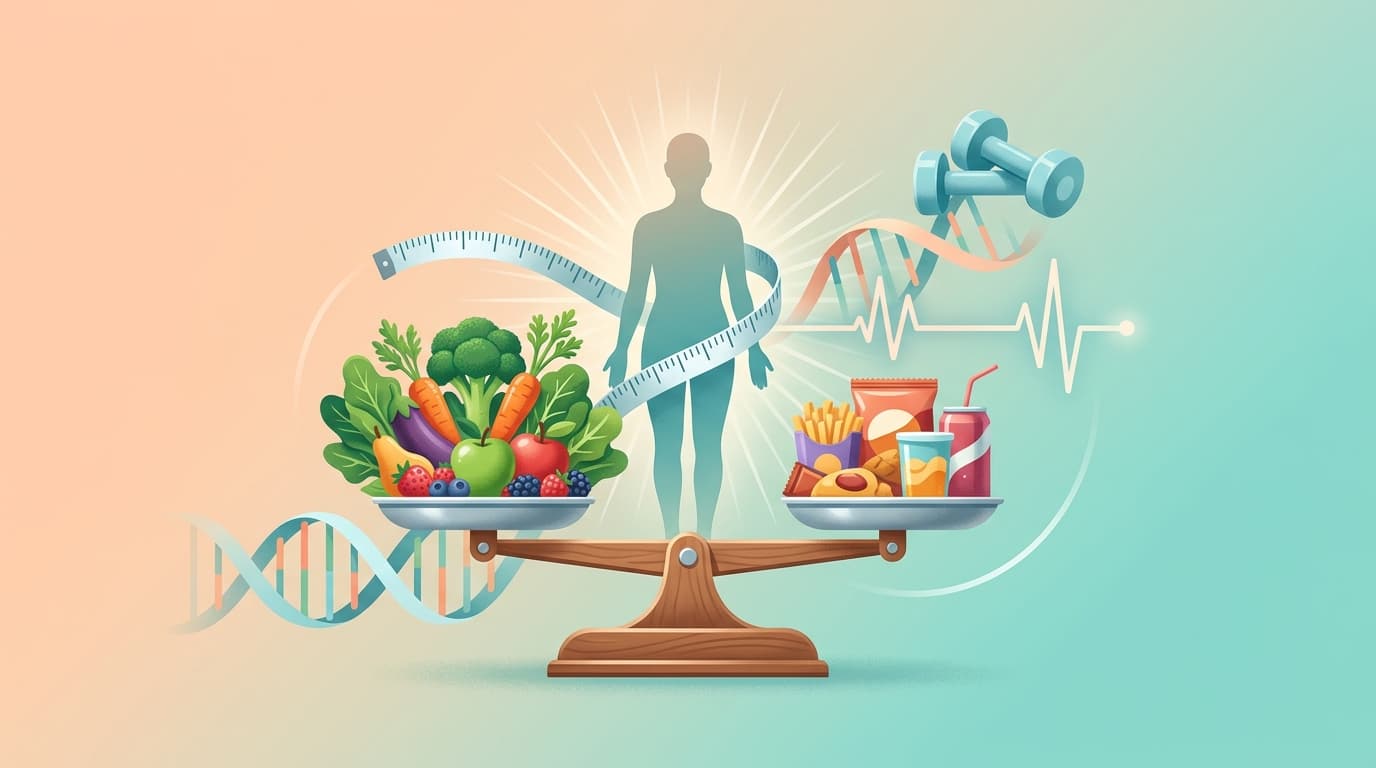
Even more troubling is the prevailing misconception that fatty liver only affects chronic alcohol consumers or visibly obese individuals. In clinical reality, India faces a severe crisis of 'Lean MASLD' (Metabolic dysfunction-Associated Steatotic Liver Disease). Millions of Indians with normal body weight and standard Body Mass Index (BMI < 23–25 kg/m²) harbor significant excess fat inside their liver cells. Driven by genetic susceptibility, high abdominal visceral fat ('central obesity'), excessive refined carbohydrate intake (maida, white rice, sweets), and sedentary screen-bound routines, the liver quietly accumulates toxic lipid droplets.
Because the liver lacks sensory pain receptors inside its functional tissue (parenchyma), early-stage fatty liver hurts neither slightly nor severely. Most patients discover it completely by chance during an ultrasound for kidney stones, gallstones, or an executive health check-up. The reassuring truth backed by modern hepatology: Grade 1 and Grade 2 fatty liver are entirely reversible. By understanding how your liver stores and metabolizes energy, you can dismantle fat deposits, quell cellular inflammation, and restore full organ vitality before irreversible scarring sets in.
What Is Fatty Liver Disease? The Shift from NAFLD to MASLD
Under healthy conditions, your liver contains very little fat — typically under 5% of its total organ weight. When metabolic imbalances cause lipid influx to outpace the liver's ability to burn or export triglycerides, excess fat droplets accumulate within hepatocytes (liver cells). When fat accounts for more than 5% to 10% of liver tissue, the condition is clinically classified as Steatotic Liver Disease (SLD).
Nomenclature Update: Why NAFLD is now called MASLD — In 2023–2024, international hepatology societies alongside INASL formally replaced the old term Non-Alcoholic Fatty Liver Disease (NAFLD) with Metabolic dysfunction-Associated Steatotic Liver Disease (MASLD). The old term defined the condition purely by what it wasn't (not caused by heavy alcohol). The new name directly identifies the root cause: systemic metabolic dysfunction linked with insulin resistance, high triglycerides, elevated fasting blood sugar, and central waist circumference.
The 4 Clinical Stages of Fatty Liver Progression
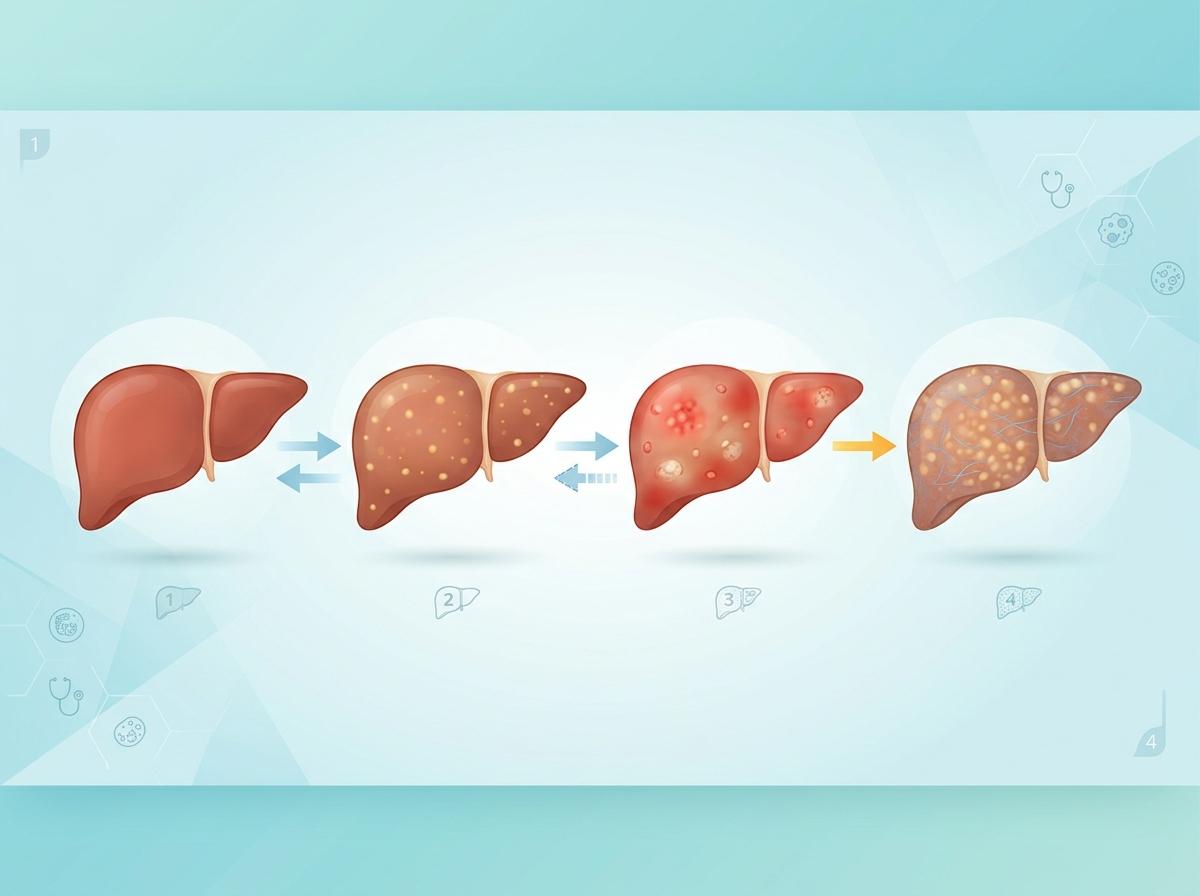
Fatty liver is not a static diagnosis; it exists along a dynamic pathological spectrum. Knowing your exact stage dictates treatment urgency and confirms whether your condition is completely reversible:
Clinical stages and grades of fatty liver disease
Scroll table →| Stage & Grade | Histological State | Liver Damage Level | Reversibility Status | Primary Clinical Action |
|---|---|---|---|---|
| Grade 1: Simple Steatosis | Fat accumulation in 5%–33% of hepatocytes; no cell swelling or inflammation | Mild fat deposition; normal liver function enzymes in many cases | 100% Reversible within 3–6 months | Dietary carbohydrate reduction, 150 min weekly exercise, 5% weight loss |
| Grade 2: MASH (NASH) | Fat accumulation in 33%–66% of cells + active inflammation & hepatocyte ballooning | Moderate-to-severe inflammation; ALT and AST enzymes frequently elevated | Highly Reversible within 6–12 months with disciplined intervention | 7%–10% body weight loss, strict insulin resistance management, medical review |
| Grade 3: Hepatic Fibrosis | Chronic inflammation triggers repair mechanisms, creating stiff fibrous scar tissue (F1 to F3) | Progressive stiffening of liver architecture; portal pressure begins to rise | Partially Reversible; progression can be halted to prevent organ failure | Hepatologist consultation, specialized FibroScan tracking, targeted medical therapy |
| Grade 4: Cirrhosis | Extensive nodular scarring replaces functional liver parenchyma (F4) | Permanent structural damage, impaired detoxification, risk of liver failure or HCC | Irreversible (requires long-term disease stabilization or transplant) | Specialized tertiary hepatology care, complication screening, transplant evaluation |
Why Is Fatty Liver Exploding in India? Causes & Risk Factors
Many patients at Sanjivani Hospital ask: 'Doctor, I have never touched alcohol and I don't eat non-vegetarian food — how could my liver become fatty?' The answer lies in the unique metabolic challenges of modern Indian nutrition and genetics:
Causes and risk factors for fatty liver in India
- Excess Refined Carbohydrates & Sweets — The traditional urban Indian diet is overwhelmingly carbohydrate-heavy. Maida (refined flour in naan, samosas, biscuits), polished white rice, sweet tea (chai with 2–3 spoons of sugar taken multiple times daily), and festive sweets deliver massive glucose spikes that the liver converts directly into triglycerides through de novo lipogenesis.
- High-Fructose Corn Syrup & Commercial Fruit Beverages — Unlike glucose, which every cell in the body can burn for fuel, fructose can only be metabolized by the liver. Packaged fruit juices, carbonated colas, energy drinks, and flavored yogurts overwhelm the liver's metabolic capacity, instantly fueling steatosis.
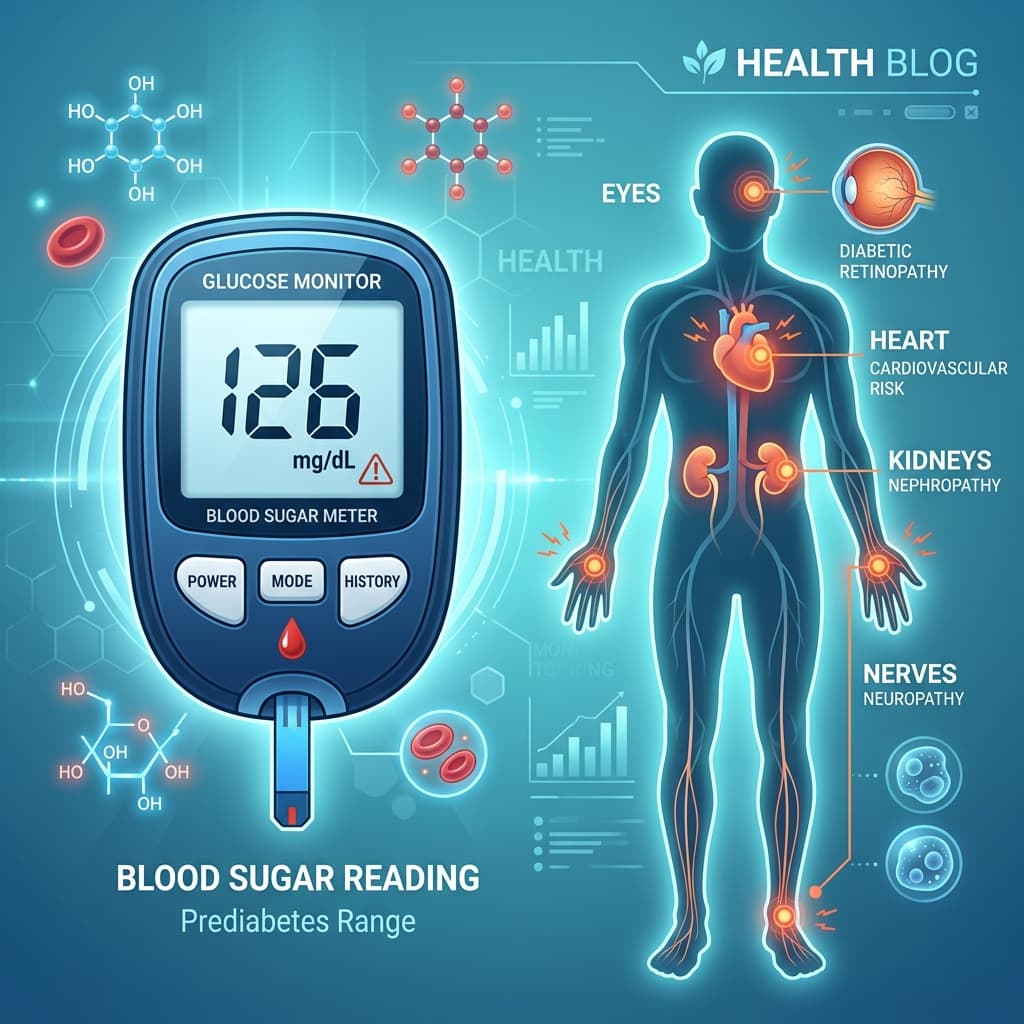
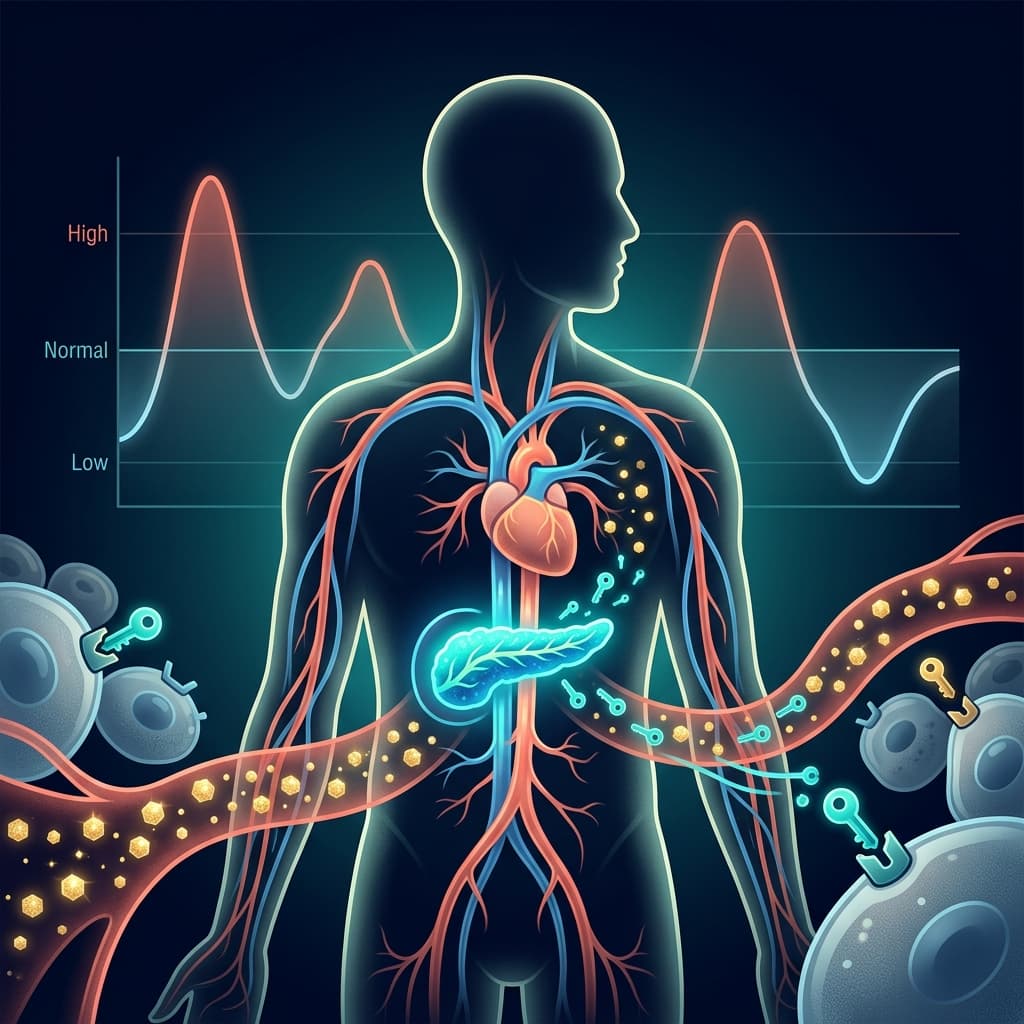
- Insulin Resistance & Prediabetes — When muscle and adipose cells become resistant to insulin, the pancreas secretes excess insulin to compensate. Hyperinsulinemia blocks the liver from burning stored fat and aggressively forces circulating fatty acids into liver storage.
- The 'Thin-Fat' Indian Phenotype (Low Muscle, High Visceral Fat) — South Asians genetically tend to have lower muscle mass (sarcopenia) and higher abdominal visceral fat surrounding vital organs. Even someone with thin arms and legs can harbor substantial liver fat.
- Reused & Reheated Cooking Oils — Street foods and household cooking that repeatedly fry in vanaspati (partially hydrogenated vegetable fats) or reheated seed oils generate trans fats, lipid peroxides, and inflammatory compounds that damage hepatocyte cell membranes.
- Severe Sedentary Behavior & Long Commutes — Prolonged sitting during desk jobs and multi-hour commutes without daily brisk walking deprives skeletal muscle of glucose uptake, shunting surplus caloric energy to the liver.
- Erratic Circadian Rhythms & Chronic Sleep Deprivation — Emerging hepatology research demonstrates that sleeping under 6 hours or working night shifts disrupts core liver clock genes (PER1, CLOCK), accelerating hepatic lipid accumulation and insulin resistance.
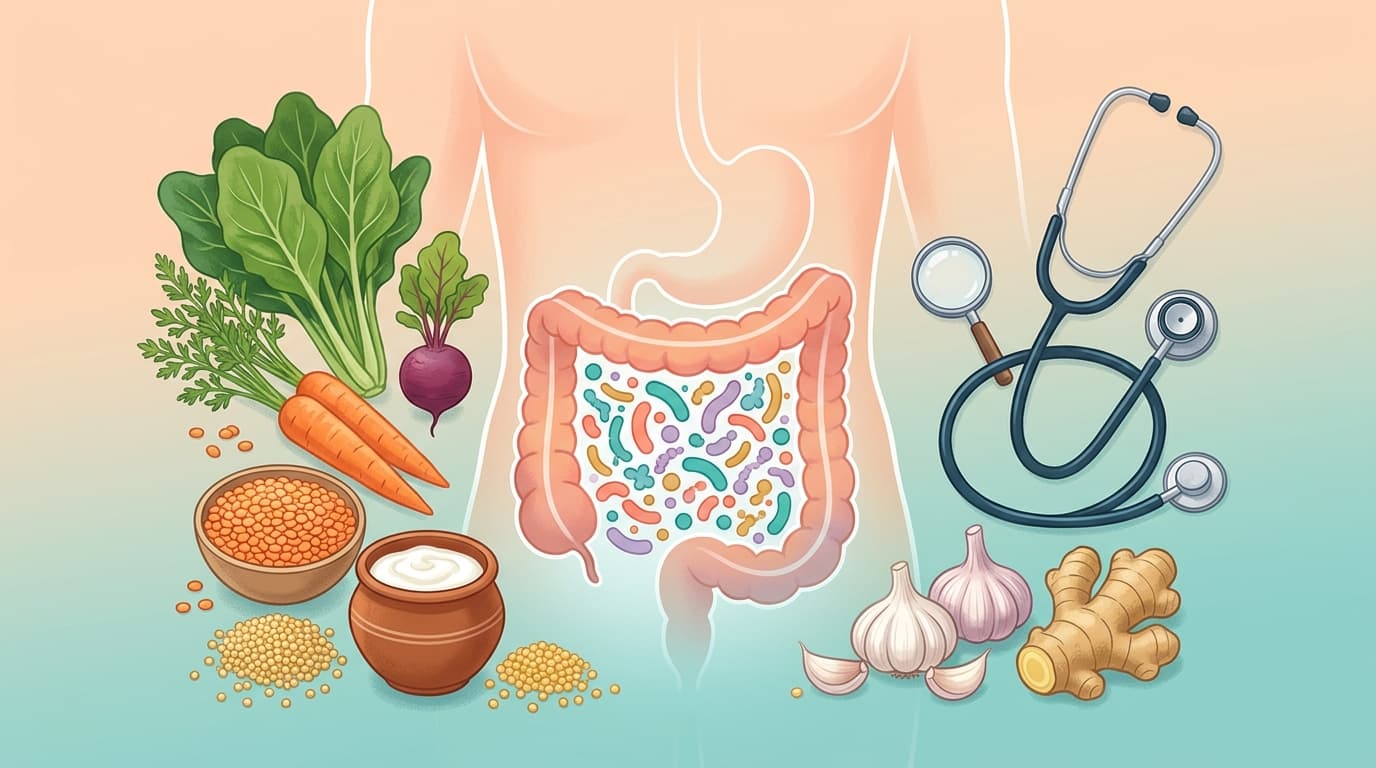
- Dysbiosis of the Gut Microbiome — A diet poor in prebiotic dietary fiber weakens the intestinal mucosal barrier. Bacterial endotoxins (lipopolysaccharides or LPS) leak through the portal vein into the liver, triggering inflammatory cascades that convert simple steatosis into aggressive steatohepatitis (MASH).
- Rapid Crash Dieting & Extreme Starvation — Drastic calorie restriction without medical supervision releases a sudden deluge of free fatty acids from peripheral adipose tissue into the bloodstream, overwhelming the liver and paradoxically worsening steatosis.
- Prescription Medications & Unmonitored Self-Medication — Long-term reliance on high-dose corticosteroids, methotrexate, tamoxifen, amiodarone, or unverified heavy-metal-laced 'miracle detox herbs' can induce secondary hepatic steatosis or toxic liver injury.
8 Silent Warning Signs of Fatty Liver Disease
Because the liver has no pain nerve endings inside its internal tissue, fatty liver develops quietly over years. However, careful clinical observation reveals distinct subtle warning signs that should prompt immediate evaluation:
Warning signs and symptoms of fatty liver
- Unexplained, Persistent Daytime Fatigue — Waking up exhausted despite 7–8 hours of sleep is the single most common symptom of early steatohepatitis. Cellular energy production falters as mitochondria in fatty liver cells struggle with oxidative stress.
- Dull Ache or Heaviness in the Upper Right Abdomen — While liver tissue itself does not feel pain, an enlarged, swollen liver stretches its outer protective envelope (Glisson's capsule). Patients report a dull, dragging heaviness under the right lower ribcage.
- Expanding Waistline Despite Stable Overall Weight — Gaining inches specifically around the belly (visceral adiposity) directly parallels fat accumulation within hepatic tissue. In Indian adults, a waist circumference exceeding 90 cm in men or 80 cm in women is a prime indicator of MASLD.
- Acanthosis Nigricans (Darkened Skin Patches) — Velvety, hyperpigmented skin patches in the folds of the neck, armpits, or groin are cutaneous hallmarks of severe insulin resistance — the chief driver of steatotic liver disease.
- Brain Fog & Mid-Afternoon Mental Sluggishness — When the liver's detoxification capacity dips, micro-inflammation and fluctuating blood sugar levels manifest as poor focus, memory lapses, and mental lethargy.
- Digestive Bloating, Nausea & Fat Intolerance — An engorged liver often produces suboptimal or sluggish bile flow, leading to acid reflux, bloating after moderate meals, and difficulty digesting rich or oily foods.
- Elevated Triglycerides & Low HDL on Routine Lipid Panels — A routine blood report showing triglycerides > 150 mg/dL accompanied by HDL ('good cholesterol') < 40 mg/dL in men or < 50 mg/dL in women frequently signals underlying liver steatosis.
- Unexplained Mild Elevation in Liver Enzymes (ALT/AST) — Finding ALT (Alanine Aminotransferase) or AST (Aspartate Aminotransferase) marginally above the lab reference range during regular check-ups is often the first biochemical indicator of ongoing liver cell stress.
🚨 Red Flag Warning — Advanced Liver Disease Indicators: If you or a family member experience yellowish discoloration of the eyes or skin (jaundice), swelling in the ankles or abdomen (ascites), red spider-like veins on the chest (spider angiomas), bleeding gums, easy bruising, or cognitive confusion, seek immediate hospital emergency care. These symptoms indicate decompensated liver disease or advanced cirrhosis requiring urgent inpatient hepatology care.
Diagnosis: How Is Fatty Liver Accurately Detected?
Modern diagnostic medicine provides painless, highly accurate, and non-invasive methods to assess liver fat and detect cellular stiffness without performing an invasive liver needle biopsy:
Diagnostic tools for fatty liver disease
Scroll table →| Diagnostic Test | What It Measures | Clinical Purpose | Turnaround Time |
|---|---|---|---|
| Abdominal Ultrasound (Sonography) | Acoustic brightness (echogenicity) of liver tissue compared to adjacent renal cortex | First-line screening tool to detect Grade 1, 2, or 3 fat deposits | Same day (15–20 minutes) |
| Liver Function Test (LFT Panel) | Serum ALT, AST, Alkaline Phosphatase (ALP), Bilirubin, Albumin, and Total Protein | Identifies active liver inflammation, cellular leakage, and synthetic function | Same day (blood draw) |
| FIB-4 Index (Fibrosis-4 Score) | Mathematical algorithm calculating Age, AST, ALT, and Platelet Count | Cost-free risk stratification score to rule out advanced liver fibrosis | Immediate calculation from routine blood tests |
| FibroScan (Transient Elastography + CAP) | Liver stiffness in kiloPascals (kPa) and Controlled Attenuation Parameter (CAP) in dB/m | Gold standard non-invasive test measuring exact fat percentage and fibrosis stage (F0–F4) | Same day (10 minutes, painless) |
| Fasting Metabolic Panel | Fasting Blood Sugar, HbA1c, Fasting Insulin (HOMA-IR), and Lipid Profile | Uncovers underlying prediabetes, insulin resistance, and dyslipidemia driving steatosis | Same day (fasting blood sample) |
How to Reverse Fatty Liver Naturally: The 5 Scientific Pillars
The human liver possesses extraordinary regenerative capacity. Unlike heart muscle or brain neurons, hepatocytes can completely purge accumulated fat and heal micro-inflammation if you eliminate the metabolic stressors fueling the disease. Here are the 5 non-negotiable pillars of liver reversal:
1. The 7% to 10% Body Weight Target
Landmark hepatology trials demonstrate that losing 5% of your total body weight clears simple liver fat. Losing 7% to 10% of body weight halts hepatocyte ballooning, clears active steatohepatitis (MASH), and can even cause early fibrous scar tissue to regress. For a 75 kg individual, this translates to a gradual, sustainable reduction of 5 to 7.5 kg over a 4 to 6-month period (aiming for 0.5 kg per week, never rapid crash starvation).
2. Eliminating Liquid Fructose & Refined Sugars
The fastest way to de-fat your liver is to eliminate high-glycemic liquid calories. Cut out packaged fruit juices, sweetened carbonated beverages, canned iced teas, commercial energy drinks, and excessive table sugar added to daily tea and coffee. Replace them with warm water, unsweetened buttermilk (chaas), fresh lemon water, or antioxidant-rich green tea.
3. Daily 8,000–10,000 Steps & Resistance Training
Exercise drains liver fat through two distinct mechanisms: aerobic activity (brisk walking, cycling, swimming for 30–45 minutes daily) burns circulating fatty acids, while strength training (squats, resistance bands, light weights 2–3 times weekly) builds metabolically active muscle tissue. Muscle acts as a massive 'glucose sink', absorbing carbohydrates before they can ever reach the liver to become fat.
4. Protecting Liver Detoxification: Sleep & Circadian Timing
Your liver performs its heaviest lipid packaging, cellular cleanup, and glycogen replenishment between 11:00 PM and 4:00 AM. Sleeping 7 to 8 hours in a dark room synchronized with natural night hours prevents the nocturnal cortisol spikes that stimulate visceral fat deposition.
5. Avoiding Hepatotoxic Supplements & Indiscriminate Drugs
Never purchase unverified over-the-counter 'liver detox tonics' or online fat-burner supplements. Many contain adulterated steroids, unregulated herbs, or heavy metals that cause acute Drug-Induced Liver Injury (DILI). Always consult a qualified physician before taking any formulation claimed to clean your liver.
The Indian Liver-Healing Diet: Foods to Eat & Foods to Avoid
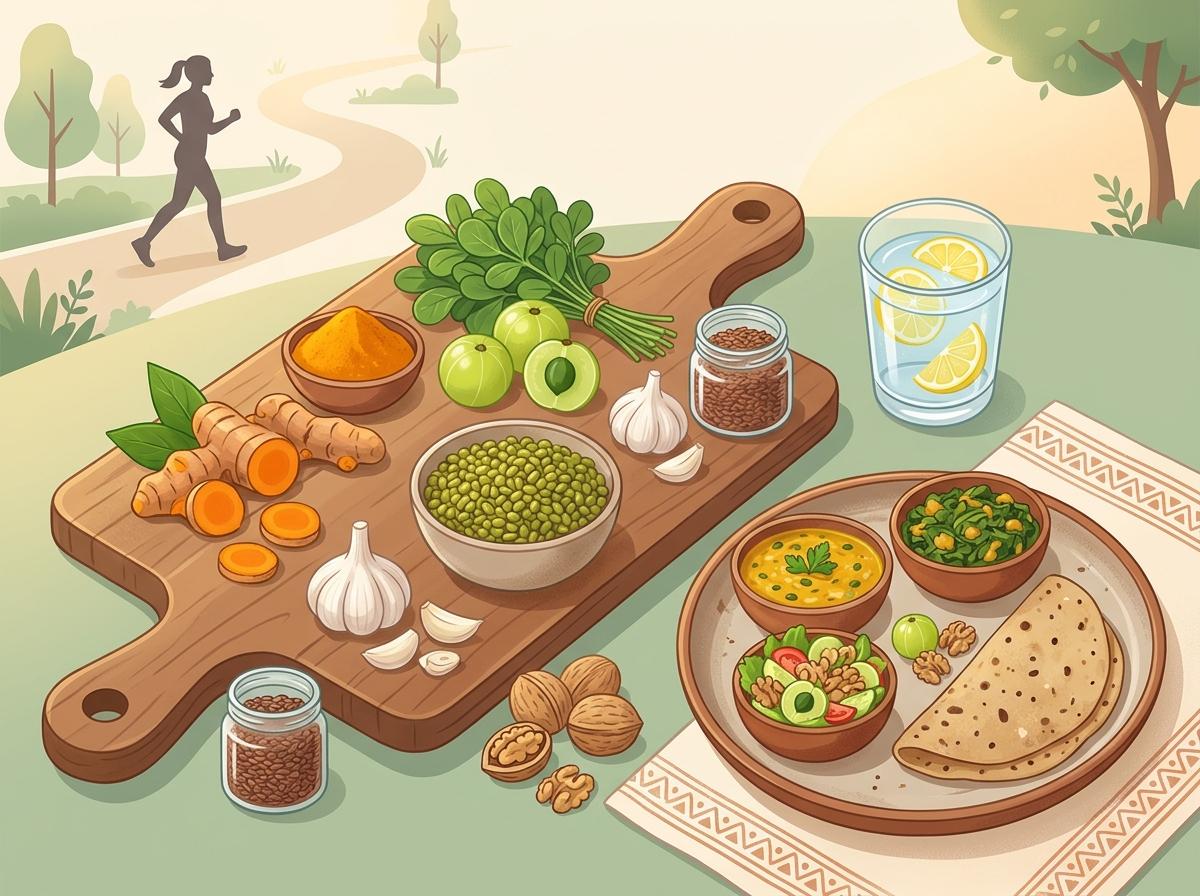
Reversing fatty liver in an Indian household does not require expensive imported foods like salmon, berries, or kale. Everyday staple ingredients found in Indian kitchens hold exceptional hepatoprotective, antioxidant, and insulin-sensitizing properties:
Indian diet chart for reversing fatty liver disease
Scroll table →| Food Group | Liver-Healing Foods to Include Daily (Do's) | Liver-Fattening Foods to Avoid (Don'ts) |
|---|---|---|
| Grains & Millets | Jowar, Bajra, Ragi, Kodo millet, Steel-cut oats, Dalia, Brown rice in controlled portions | Maida (bhature, kulcha, bakery bread), Naan, Biscuits, Maggi, Instant noodles, Polished white rice in large bowls |
| Proteins & Pulses | Whole green moong dal, Chana dal, Rajma, Soy paneer (tofu), Low-fat paneer, Sprouted pulses, Egg whites, Steamed fish | Mutton curry with floating oil, Fried chicken, Processed sausages, Salami, Dal fry cooked with excessive vanaspati |
| Vegetables & Greens | Methi (fenugreek), Palak (spinach), Sarson ka saag, Lauki (bottle gourd), Karela (bitter gourd), Bhindi, Broccoli, Garlic | Deep-fried pakoras, Aloo bonda, Samosas, Creamy restaurant makhani gravies, French fries |
| Fruits (Whole) | Amla (Indian gooseberry — 1 daily), Guava, Papaya, Pomegranate, Jamun, Citrus oranges (eaten whole with pulp) | Packaged fruit juices, Mango shakes with added sugar, Canned fruit syrups, Dried raisins/dates in excess |
| Healthy Fats | Cold-pressed mustard oil, Groundnut oil, Virgin coconut oil in strict moderation (≤ 2–3 tsp/day), Raw walnuts, Flaxseeds, Chia seeds | Vanaspati (Dalda), Margarine, Palm oil, Reused frying oil, Butter-laden parathas, Commercial bakery shortening |
| Spices & Functional Herbs | Fresh grated turmeric (haldi with black pepper), Adrak (ginger), Garlic cloves, Jeera water, Methi dana water, Cinnamon | Excessive processed sauces, High-sodium pickles in synthetic preservatives, MSG-laden seasonings |
| Beverages & Hydration | Warm water with lemon, Fresh homemade chaas with roasted jeera, Green tea, Black coffee (2 cups/day proven to protect liver) | Alcohol in any quantity, Sweetened soda, Energy drinks, Sugary masala chai taken 4–5 times daily |
☕ The Coffee Liver Connection: Over 20 international clinical studies confirm that drinking 2 to 3 cups of filtered black coffee daily (without sugar or heavy cream) protects the liver. Chlorogenic acid and cafestol in coffee reduce hepatic collagen deposition, improve liver enzyme profiles, and significantly slow fibrosis progression in patients with MASLD.
Medical & Pharmacological Treatments: What Does Science Say?
While dietary modification and physical movement form the foundation of fatty liver reversal, modern hepatology utilizes targeted medications in patients with documented steatohepatitis (Grade 2 MASH) or progressive fibrosis:
Medical therapies for fatty liver and MASH
Scroll table →| Medication Class | Mechanism of Action | Target Patient Group | Clinical Status & Evidence |
|---|---|---|---|
| Saroglitazar (Dual PPAR α/γ agonist) | Simultaneously reduces hepatic fat accumulation, improves insulin sensitivity, and lowers triglycerides | Approved in India for non-cirrhotic MASH/NASH with comorbidities | First drug in India approved specifically for MASH; prescribed strictly by gastroenterologists |
| Vitamin E (d-alpha tocopherol) | Potent fat-soluble antioxidant that neutralizes lipid peroxides and curbs hepatocyte inflammation | Non-diabetic adults with biopsy-proven or high-risk active MASH | Reduces liver inflammation and ballooning; dose determined by treating physician |
| Pioglitazone | Thiazolidinedione insulin sensitizer that shifts fat away from liver tissue into safe peripheral fat stores | Patients with concurrent Type 2 Diabetes and documented steatohepatitis | Proven histological improvement in steatosis; requires fluid-retention monitoring |
| GLP-1 Receptor Agonists (Semaglutide / Tirzepatide) | Slows gastric emptying, eliminates cravings, induces substantial weight loss, and improves liver histology | Overweight/obese patients with metabolic syndrome, diabetes, and steatotic liver disease | High efficacy for weight loss and MASH resolution under clinical endocrinologist guidance |
| Statins (Atorvastatin / Rosuvastatin) | Lowers LDL cholesterol and cardiovascular risk; safe and indicated in MASLD patients | Fatty liver patients with high cardiovascular risk or dyslipidemia | Does not harm the liver; substantially lowers heart attack and stroke risk in liver patients |
The 'Thin-Fat' Indian Dilemma: Lean Fatty Liver
One of the most dangerous myths in Indian healthcare is equating a lean frame with internal health. Approximately 20% to 25% of fatty liver patients diagnosed in India have a normal BMI (< 23 kg/m²) — a condition known clinically as Lean MASLD.
Patients with lean fatty liver often have low muscle mass (due to protein-deficient diets and lack of resistance training) paired with high visceral fat stored invisibly around the abdominal organs. Because these individuals never suspect liver trouble, they often present later with significant fibrosis. If you have a family history of diabetes, high cholesterol, a protruding belly despite thin limbs, or an inactive desk job, requesting a baseline liver evaluation is vital regardless of your bathroom scale.
⚠️ Waist-to-Height Ratio Rule: A simple self-check is measuring your waist circumference at the navel. Your waist circumference should be less than half your height. For a person who is 170 cm tall, waist circumference should remain strictly below 85 cm. Exceeding this ratio is a strong indicator of hepatic and visceral fat accumulation, even if your total body weight appears normal.
Common Myths vs Medical Facts
Myths and facts about fatty liver disease
Scroll table →| ❌ Common Myth | ✅ Medical Evidence & Fact |
|---|---|
| Only people who drink alcohol get fatty liver disease. | Over 70% of fatty liver cases in urban India are MASLD (non-alcoholic), driven entirely by sugar, refined carbohydrates, insulin resistance, and visceral fat. |
| Fatty liver is just a mild cosmetic finding on ultrasound; it needs no treatment. | Without lifestyle changes, 20% to 30% of simple fatty liver cases progress to steatohepatitis (MASH), progressive fibrosis, cirrhosis, and hepatic failure. |
| Taking Ayurvedic liver tonics and detox juices will clean out the fat. | No pill or juice melts liver fat. The only proven remedy is reducing caloric load, eliminating refined carbs, exercising, and allowing the liver to burn stored lipids naturally. |
| Thin or lean people can never get fatty liver disease. | Up to 25% of Indian MASLD patients are lean. Hidden visceral adiposity, high carbohydrate intake, and low muscle mass cause severe steatosis in normal-weight individuals. |
| Switching to olive oil will immediately cure my fatty liver. | While extra virgin olive oil contains healthy monounsaturated fats, it is still calorie-dense (9 kcal/gram). Consuming excessive oil of any kind prevents necessary calorie reduction. |
| Fatty liver cannot be reversed once it develops. | Grade 1 and Grade 2 fatty liver are 100% reversible. Significant histological and enzyme improvements are routinely documented within 3 to 6 months of disciplined care. |
When to See a Doctor at Sanjivani Hospital
Criteria for medical consultation for fatty liver
- Your ultrasound report indicates Grade 1, Grade 2, or Grade 3 fatty infiltration (hepatic steatosis).
- Your blood test reveals elevated ALT (SGPT) or AST (SGOT) enzymes persisting beyond 4 weeks.
- You have diagnosed Type 2 Diabetes, Prediabetes, or High Triglycerides — screening your liver is medically imperative.
- You experience persistent unexplained daytime fatigue, upper right abdominal heaviness, or sluggish digestion.
- You have a waist circumference exceeding 90 cm (men) or 80 cm (women) alongside an inactive lifestyle.
- You need a medically supervised, personalized weight loss and metabolic diet plan tailored to Indian cuisine.
🏥 Comprehensive Liver & Metabolic Care at Sanjivani Hospital, Virar: Our Department of General Medicine & Gastroenterology provides advanced diagnostic evaluations — including high-resolution abdominal sonography, comprehensive liver function panels (LFT), lipid profiling, HbA1c testing, and non-invasive fibrosis risk scoring. Our experienced consulting physicians and clinical nutritionists work closely with you to design a practical, sustainable lifestyle roadmap that reverses fatty liver naturally. 📞 Appointments & Enquiries: +91 9168505029 | Conveniently located at Datta Mandir Road, Near Virar Railway Station, Virar West.
The Bottom Line: Your Action Plan
Key takeaways about reversing fatty liver
- Fatty liver is India's silent epidemic — affecting 1 in 3 adults, including millions of non-drinkers and lean individuals with hidden visceral fat.
- Grade 1 and 2 are 100% reversible — your liver has an extraordinary ability to regenerate and shed fat once metabolic overload is lifted.
- Target 7% to 10% weight loss — gradual, steady reduction is the single most powerful therapeutic intervention proven by global hepatology.
- Cut the white poison — eliminate maida, packaged juices, sugary chai, and fried snacks; replace them with millets (jowar/bajra), green moong, amla, and vegetables.
- Walk every single day — aim for 8,000 to 10,000 steps and incorporate light strength training to turn your muscles into glucose-clearing engines.
- Get screened today — if you haven't checked your liver enzymes or had an abdominal ultrasound in the last 12 months, schedule your evaluation now.